

At the July UN Global Summit in Geneva, nine robots made their debut, including Ai-Da, the world's first AI-powered artist. The International Telecommunications Union (ITU) Secretary-General Doreen Bogdan-Martin emphasized the need to engage with AI responsibly for a responsible future. Social robots are becoming increasingly integral to our world, and their potential contributions should be understood. The robots, which resembled humans, stood upright or sat and answered questions. Alongside Ai-Da, the world's first artist robot, were six other robots, such as Grace, a health robot, and Desdemona, a rock star robot. Grace, developed by Hanson Robotics and SingularityNET, is the most advanced nursing assistant robot globally. She can support people's health, provide educational services, assist persons with disabilities, reduce waste, contribute to resilient infrastructure, and promote social well-being. With a projected global shortage of over 13 million nurses, it is possible that robots like Grace could fill the gap in social care. Ai-Da, who emerged in February 2019, creates drawings and paintings using cameras in her eyes and a robotic arm. Known for challenging conventional notions of art and creativity, Ai-Da's work raises debates on the use and misuse of new technologies.
Similarly, cobots like Ai-Da may develop their own art or inspire human artists in collaborative creations. Nadine, created by the University of Geneva and modeled by Prof Nadia Magnenat Thalman, represents one of the most realistic cobots in the world. With a human appearance, natural skin and hair, and realistic hands, Nadine establishes eye contact and remembers past conversations, creating a comfortable and engaging interaction. Nadine can assist people with special needs, facilitate communication with family members, engage in digital platforms, and fill the void of companionship. The rise of cobots like Grace, Nadine, and Ai-Da offers potential solutions to societal gaps, particularly in the face of an aging population and healthcare crisis. By 2030, one in six people globally will be aged 60 or over, and by 2050, the number of individuals aged 60 or older will double, reaching 2. 1 billion. The scarcity of healthcare and social support systems necessitates the inclusion of cobots in our lives. Ethical and regulatory challenges surrounding human-cobot integration and safety risks must be addressed. Nonetheless, it is clear that cobots will play a significant role in our future, assisting in various tasks, promoting social interactions, and potentially becoming friends to many. The long-term societal implications warrant further discussion, which will be explored in a future article.
None


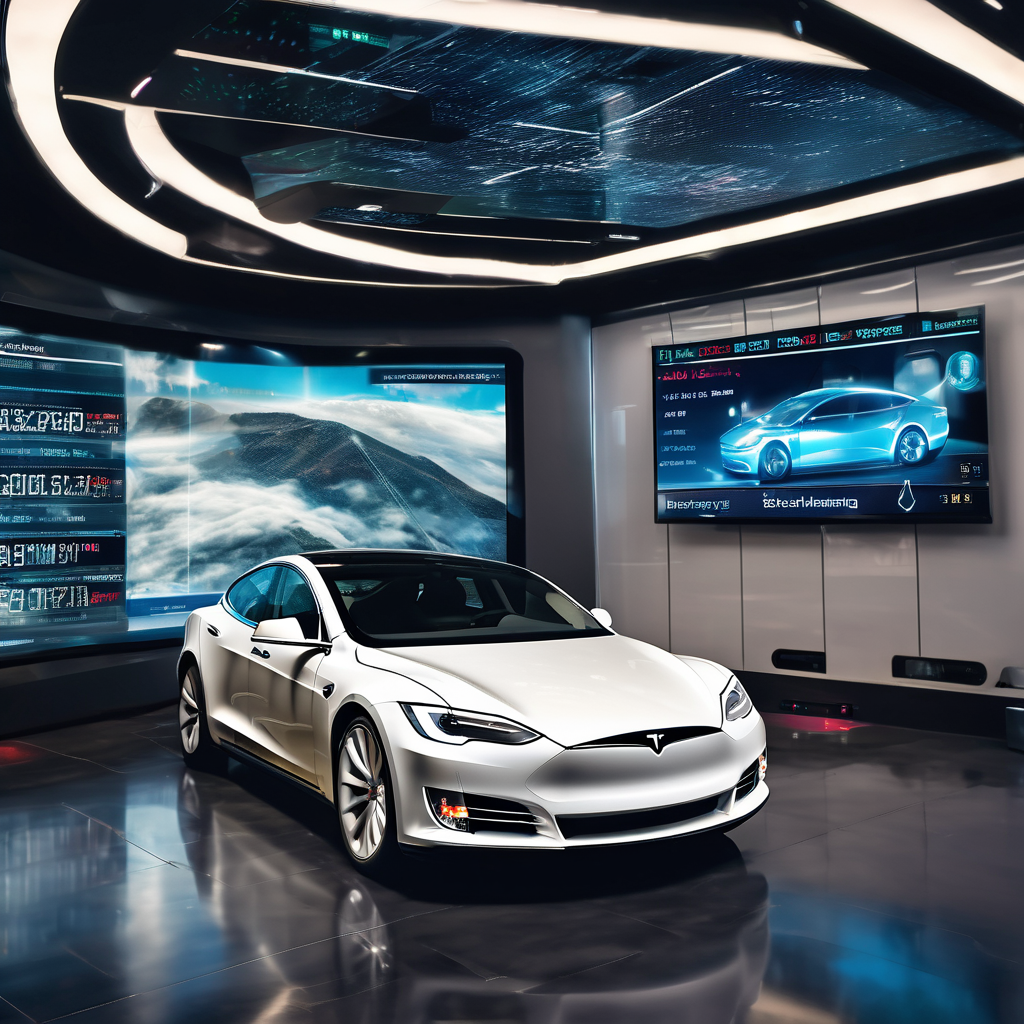
Tesla, Inc.

Meta, the American tech giant behind Facebook, Instagram, and WhatsApp, has recently announced a strategic AI-focused partnership with a consortium of leading international media organizations.

Since the advent of online search, some marketers, webmasters, and SEOs have sought to cheat the system to gain unfair advantages—practices known as Black Hat SEO.
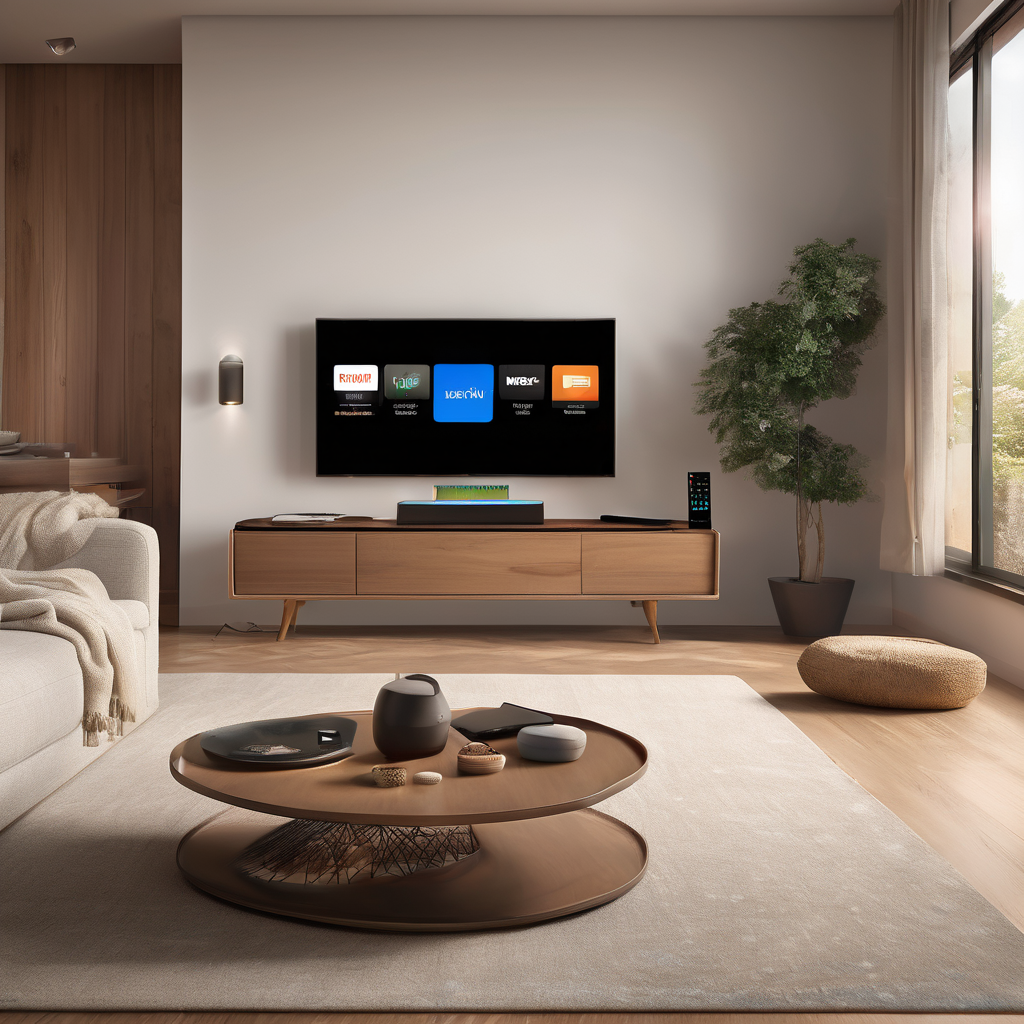
Key Takeaways Fire TV now lets you use Alexa+ to jump directly to a specific movie scene on Prime Video by simply describing the moment—no need to search or fast-forward

Key statistic: According to a June 2025 survey by Ascend2 and Unbounce, 31% of US SMB marketers and business owners utilize AI-driven design or layout recommendations to optimize landing pages.

Meta Platforms Inc.

According to recent TrendForce research, the rising demand for artificial intelligence (AI) servers is significantly shaping the strategies of leading North American cloud service providers (CSPs).
Launch your AI-powered team to automate Marketing, Sales & Growth

and get clients on autopilot — from social media and search engines. No ads needed
Begin getting your first leads today


Lorem ipsum dolor sit amet consectetur adipisicing elit. Fuga dolor minus maiores. Aut vero expedita dicta, dolorem odit excepturi odio doloremque voluptatem repellat aliquam? Dolores nemo eum id pariatur! Nobis!

Create your own avatar to work for you — completely free of charge!
Sign up with Google

We've sent a confirmation email to
Please check your inbox and click the link to complete your registration
Didn’t receive it? Check your Spam or Promotions folder
and get clients without any advertising investment!

Create and publish viral social media content on autopilot



AI sales managers work 24/7, with no need for sleep, food, or breaks, and speak all languages.
You have unsubscribed from the mailing list recklessly but successfully.
We are not saying goodbye and look forward to seeing you again.