

Artificial intelligence (AI) is swiftly reshaping the field of search engine optimization (SEO), becoming a vital element in how search engines rank content and how marketers plan their strategies. As the digital landscape evolves, it is essential for businesses and digital marketers to grasp the significant role AI plays in SEO to sustain and boost their competitive advantage. AI technologies like machine learning and natural language processing have greatly enhanced search engines’ abilities to interpret user intent and contextual data. This progress enables search engines to deliver more accurate and relevant results tailored to individual users' needs. As a result, SEO strategies must adapt alongside these technological advancements to remain effective. A major change driven by AI is the increased emphasis on the quality and relevance of content. AI-powered search algorithms increasingly prioritize content that truly adds value to users, rather than focusing solely on keyword density or backlink quantity. For marketers, this requires a strategic shift toward creating informative, engaging, and user-focused content that satisfies audience expectations and thoroughly addresses their questions. Additionally, AI affects the technical facets of SEO by stressing important factors such as page load speed, mobile responsiveness, and the overall user experience. These elements are crucial because AI-driven search engines assess not only the content but also how accessible and user-friendly a website is across different devices and connection speeds.
Sites that neglect these technical criteria risk losing their search ranking positions. To thrive in this changing digital environment, marketers must incorporate AI insights into their SEO practices. This means utilizing AI tools for keyword research, content optimization, and performance analysis, which allows for data-driven and adaptive strategies. Marketers who embrace AI can better anticipate trends, gain deeper consumer understanding, and enhance the optimization of digital content. Moreover, AI enables higher levels of personalization in search results by analyzing complex data to provide tailored search experiences. This development highlights the necessity for marketers to customize their content and SEO approaches for specific audience segments, thereby boosting engagement and conversion rates. As AI advances further, it is poised to introduce new dimensions to SEO, including optimization for voice search, visual search capabilities, and intelligent content creation. Keeping up with these trends and understanding the AI systems underpinning them will be crucial for businesses looking to leverage SEO for growth. In summary, the integration of artificial intelligence into SEO signifies a paradigm shift that requires marketers to be adaptable and forward-thinking. Emphasizing high-quality content, fulfilling technical performance standards, and employing AI-driven tools will help marketers maintain competitiveness and capitalize on the opportunities this technology offers. For those wishing to deepen their knowledge and develop innovative SEO strategies involving AI, extensive resources are available. A good place to start is the Search Optimization Guide, which provides thorough insights and practical guidance on effectively harnessing AI to enhance search performance.
How Artificial Intelligence is Transforming SEO Strategies in 2024




Meta's Artificial Intelligence research laboratory has recently announced a major breakthrough in computer vision, signaling a promising advancement in object recognition technology.

Brightcove, a leading global cloud content services provider, has announced the launch of seven new features designed to enhance global reach, boost audience engagement, improve live-streaming quality, and streamline video workflows.

The rapid growth of artificial intelligence (AI) technologies this year has led to a substantial surge in demand across multiple sectors, notably impacting the copper foil industry.
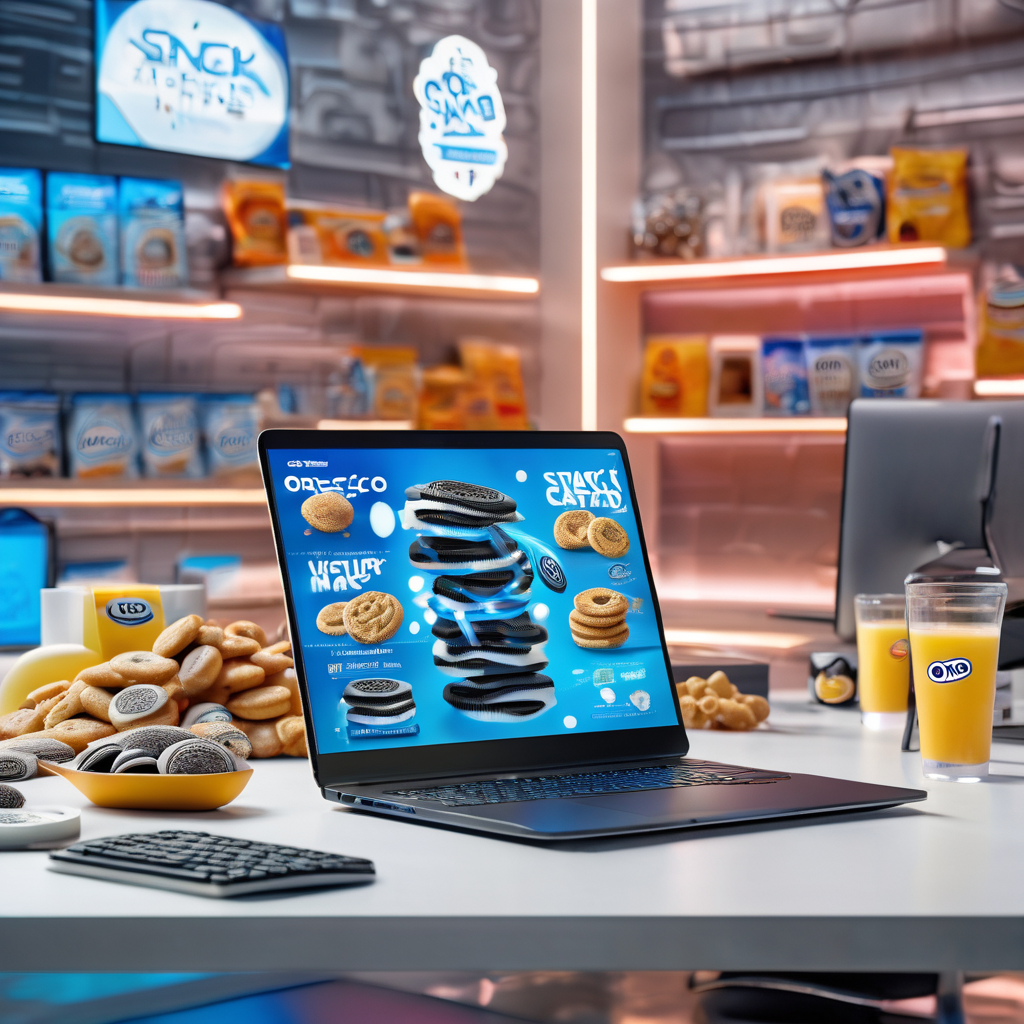
Mondelēz International, the maker of Oreo, Chips Ahoy!, Ritz, and Perfect Bar, has developed a generative AI tool called AIDA (AI + Data) to personalize advertising and enhance consumer engagement across its top brands.

Microsoft has reportedly reduced its sales growth targets for certain artificial intelligence (AI) products after numerous sales staff failed to meet their goals in the fiscal year ending in June, according to a report from The Information published on Wednesday.

Artificial intelligence is rapidly reshaping the marketing landscape by offering new tools, insights, and opportunities that help businesses connect more effectively with their audiences.

Artificial intelligence (AI) is revolutionizing the field of digital marketing, profoundly influencing search engine optimization (SEO) techniques.
Launch your AI-powered team to automate Marketing, Sales & Growth

and get clients on autopilot — from social media and search engines. No ads needed
Begin getting your first leads today


Lorem ipsum dolor sit amet consectetur adipisicing elit. Fuga dolor minus maiores. Aut vero expedita dicta, dolorem odit excepturi odio doloremque voluptatem repellat aliquam? Dolores nemo eum id pariatur! Nobis!

Create your own avatar to work for you — completely free of charge!
Sign up with Google

We've sent a confirmation email to
Please check your inbox and click the link to complete your registration
Didn’t receive it? Check your Spam or Promotions folder
and get clients without any advertising investment!

Create and publish viral social media content on autopilot



AI sales managers work 24/7, with no need for sleep, food, or breaks, and speak all languages.
You have unsubscribed from the mailing list recklessly but successfully.
We are not saying goodbye and look forward to seeing you again.