
How AI is Transforming Social Media Crisis Management for Brands

Brief news summary
Artificial intelligence (AI) significantly enhances social media crisis management by enabling real-time monitoring and analysis of vast user-generated content. Through technologies like natural language processing, machine learning, and sentiment analysis, AI detects emerging crises early and accurately gauges public sentiment. Predictive models help identify potential issues before escalation, while AI-driven chatbots ensure timely, consistent communication, reducing pressure on human teams during emergencies. Platforms such as Brandwatch, Sprout Social, and Hootsuite Insights integrate these AI tools for effective crisis response. Despite its advantages, challenges persist, including understanding complex language nuances, avoiding excessive automation reliance, and addressing ethical concerns. Therefore, blending AI capabilities with human judgment is crucial to deliver culturally sensitive and ethical responses. Overall, AI improves the speed, accuracy, and effectiveness of social media crisis management, enhancing brand reputation protection in a rapidly evolving digital environment.In recent years, artificial intelligence (AI) has become essential for organizations managing their social media presence. As user-generated content grows exponentially, social media serves as a vital platform for brands to engage audiences, shape public perception, and manage crises. Due to the fast-paced and dynamic nature of these platforms, companies increasingly rely on AI-driven tools to detect potential threats, analyze public sentiment, and respond rapidly to protect their reputation. AI’s significance in social media crisis management lies in its ability to quickly and accurately process vast data volumes. Manual monitoring is often too slow and inadequate to catch emerging issues early. AI employs advanced algorithms like natural language processing (NLP), machine learning, and sentiment analysis to scan millions of interactions in real time. A key AI application is sentiment analysis, which helps brands assess public mood regarding products, services, or corporate decisions. These tools categorize online content as positive, negative, or neutral, directing attention to areas needing urgent response. For example, a sudden increase in negative comments about a product defect triggers alerts for crisis teams to act promptly. Beyond monitoring, AI can predict potential crises by detecting patterns and anomalies in social media behavior. Machine learning models analyze historical data to forecast situations that may harm reputations, enabling proactive measures and early interventions before issues escalate or go viral. Additionally, AI supports automated responses critical for timely communication. AI-powered chatbots can engage users directly, providing personalized assistance, clarifying misunderstandings, or issuing official statements to counter misinformation. This automation ensures message consistency and eases pressure on human teams during high-stress moments. Increasingly, companies combine AI analytics with human expertise.
While AI excels at fast data processing and forecasting, human judgment remains essential for interpreting subtle nuances, cultural contexts, and ethical considerations that AI might miss. This synergy improves crisis decision-making by balancing technology with empathetic communication. Prominent AI tools in social media crisis management include Brandwatch, Sprout Social, and Hootsuite Insights, offering features like real-time monitoring, sentiment tracking, influencer analysis, and detailed dashboards. Some organizations also develop custom AI solutions tailored to their industry, enhancing crisis response precision and effectiveness. However, challenges exist in relying on AI. Algorithms may misread sarcasm, slang, or cultural references, leading to inaccurate sentiment assessments. Over-automation risks creating impersonal, robotic interactions that could worsen customer frustration during crises. Privacy and ethical concerns are also critical when using AI for social media monitoring. Companies must comply with data protection laws and remain transparent about data usage to avoid reputational damage from misuse. In summary, AI has transformed social media crisis management by enabling faster detection, sentiment evaluation, and response to emerging threats. Incorporating AI tools helps brands safeguard their reputation amid digital complexities. Yet, blending AI with human insight, upholding ethical standards, and continuously improving algorithms are vital for maximizing AI’s benefits in crisis scenarios. Looking forward, advances in AI—such as enhanced natural language understanding and emotional intelligence—are expected to boost crisis management effectiveness. As social media evolves and generates new interaction types, strategically leveraging AI will be crucial to maintaining brand trust and resilience against potential crises.
Watch video about
How AI is Transforming Social Media Crisis Management for Brands
Try our premium solution and start getting clients — at no cost to you

I'm your Content Creator.
Let’s make a post or video and publish it on any social media — ready?

Content Maker

Last news
The Best for your Business
Hot news

House Seeks Say Over AI Chip Sales After Nvidia’s…
Congress is moving closer to obtaining the authority to oversee artificial intelligence chip sales to China, a step likely to create conflict with the Trump administration over its plan to allow Nvidia Corp.

AI Video Surveillance Systems Improve Public Safe…
In recent years, urban areas worldwide have increasingly adopted artificial intelligence (AI)-powered video surveillance systems as a key element of public safety strategies.

Coca-Cola's AI-Generated Holiday Ads Face Backlash
In November 2024, global beverage leader Coca-Cola garnered attention by incorporating artificial intelligence (AI) into producing three commercials for its annual holiday campaign.
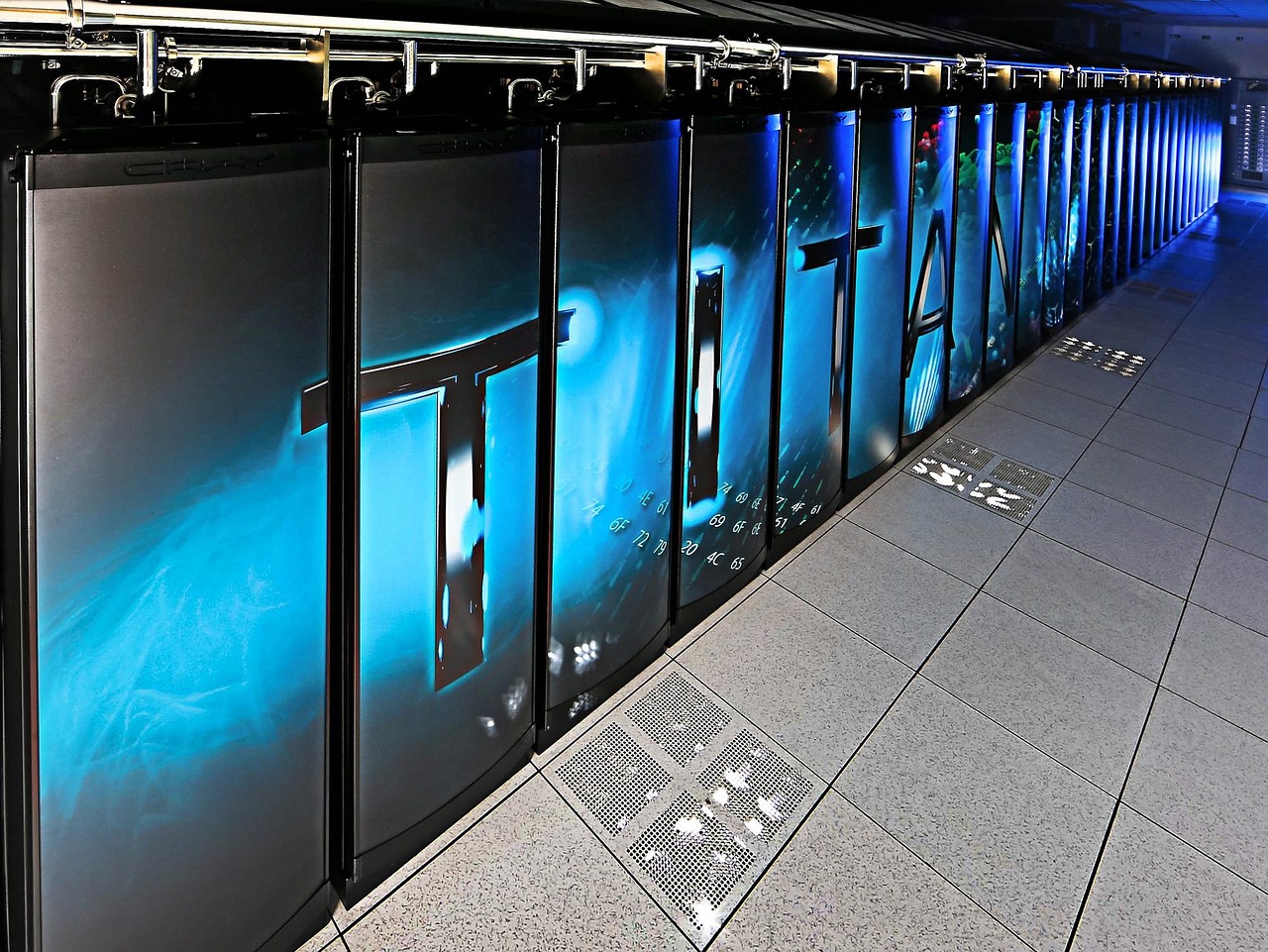
Cerebras Unveils CS-3 Supercomputer, Achieving 8 …
Cerebras Systems has unveiled the CS-3 supercomputer, a groundbreaking advancement in AI computing that delivers an impressive 8 exaFLOPs of performance, ranking it among the most powerful AI supercomputers today.

How I Learned to Adapt When Google’s AI Changed t…
I still recall the moment I realized SEO had fundamentally changed—not with a dramatic crash or warning, but through a gradual, unsettling trend where once-high-ranking pages slipped while more thoughtful, human-centered content rose.

Data Shows AI Overviews Disappears On Certain Kin…
New data from BrightEdge reveals how finance-related queries perform regarding AI Overviews (AIO), highlighting clear areas where AIO presence remains strong and others where Google is pulling back.

Bluefish AI Raises $20M in Series A Funding
Bluefish AI, a New York-based marketing technology company, has raised $20 million in a Series A funding round led by NEA (New Enterprise Associates), a global venture capital firm.
AI Company
Launch your AI-powered team to automate Marketing, Sales & Growth

and get clients on autopilot — from social media and search engines. No ads needed
Begin getting your first leads today

Your News is ready
Your article is ready

Lorem ipsum dolor sit amet consectetur adipisicing elit. Fuga dolor minus maiores. Aut vero expedita dicta, dolorem odit excepturi odio doloremque voluptatem repellat aliquam? Dolores nemo eum id pariatur! Nobis!
Generating video takes longer than text.







