
AI-Driven Transformation of Smart Manufacturing in China by 2025
Brief news summary
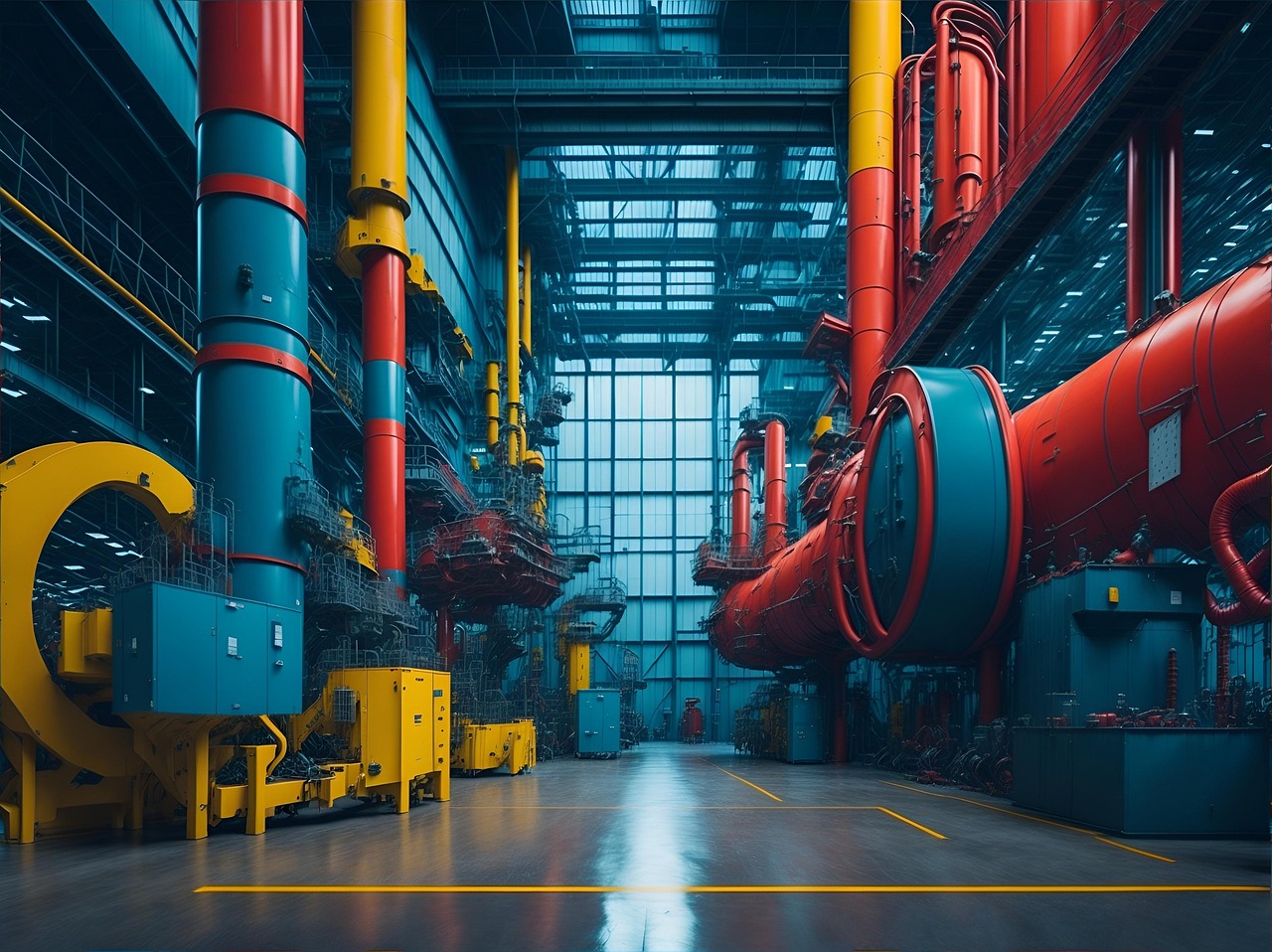
The State Council Information Office outlined significant advancements in industrial and information technology anticipated by 2025. Xie Cun, Director at the Ministry of Industry and Information Technology, highlighted that over 70% of processes in top smart factories now incorporate artificial intelligence (AI), marking a transition from basic automation to autonomous intelligent systems that enhance efficiency and product quality. Currently, over 6,000 specialized AI models and 1,700 types of intelligent equipment and industrial software with advanced AI capabilities have been developed. Industrial intelligent agents—AI systems that can perceive, decide, and operate independently—minimize human intervention and errors, enabling factories to self-optimize and adapt dynamically. These innovations promote sustainable and resilient production ecosystems, boosting China’s industrial competitiveness and economic growth. Future efforts will focus on expanding AI applications with an emphasis on scalability, security, and sustainability, aiming to solidify China’s leadership in intelligent manufacturing and industrial modernization.The State Council Information Office recently hosted a press conference emphasizing significant achievements in industrial and information technology development anticipated by 2025. Xie Cun, Director of the Information and Communication Development Department at the Ministry of Industry and Information Technology, provided a detailed overview of rapid advancements in integrating advanced technologies—especially artificial intelligence (AI)—into industrial manufacturing. Xie highlighted that AI has now been incorporated into over 70 percent of business scenarios in leading smart factories nationwide. This extensive adoption has transformed manufacturing workflows, enabling unprecedented efficiency and intelligence. AI-driven solutions have evolved smart manufacturing beyond basic automation toward more autonomous and intelligent systems, enhancing production capabilities significantly. A major accomplishment discussed was the creation of more than 6, 000 vertical domain models—specialized AI algorithms tailored to specific industries and manufacturing scenarios. These models facilitate highly customized and precise solutions, addressing unique sectoral requirements and optimizing industrial operations. Moreover, AI’s application has spurred large-scale use of over 1, 700 types of intelligent manufacturing equipment and industrial software. These advanced tools, equipped with AI capabilities, perform complex tasks with improved accuracy and adaptability, raising technological standards and boosting productivity and product quality within factories. Xie also noted the development of numerous industrial intelligent agents endowed with perception, decision-making, and execution functions.
These sophisticated AI systems autonomously sense their environment, analyze data, and execute actions with minimal human intervention, marking a significant step toward more efficient and error-resistant smart manufacturing. This evolution from traditional automation—which focused on mechanizing repetitive tasks—to autonomous smart manufacturing involves dynamic decision-making, adaptability, and real-time responsiveness. Such systems enable factories to self-optimize, self-adapt, and self-heal, fostering sustainable and resilient production ecosystems. These milestones reflect the Ministry of Industry and Information Technology’s strategic efforts to advance China’s manufacturing capabilities into the Industry 4. 0 era. Leveraging AI and related technologies, China aims to boost industrial competitiveness, foster innovation, and drive economic growth. Looking forward, the Ministry plans to continue promoting research, development, and deployment of cutting-edge industrial technologies. Focus will be placed on expanding AI applications in emerging fields and ensuring intelligent manufacturing systems are scalable, secure, and environmentally sustainable. Through these advancements, China aspires to become a global leader in intelligent manufacturing, contributing to industrial modernization and societal progress. In summary, by 2025, AI integration into manufacturing has achieved remarkable progress, as outlined by Xie Cun. With AI embedded in the majority of leading smart factories, supported by extensive vertical models, advanced intelligent equipment, and autonomous industrial agents, the transition from automated to autonomous smart manufacturing is well underway, ushering in a new era of industrial innovation and efficiency.
Watch video about
AI-Driven Transformation of Smart Manufacturing in China by 2025
Try our premium solution and start getting clients — at no cost to you

I'm your Content Creator.
Let’s make a post or video and publish it on any social media — ready?

Content Maker

Last news
The Best for your Business
Hot news

AI Video Personalization Enhances Online Advertis…
In the rapidly evolving digital marketing landscape, advertisers are increasingly adopting artificial intelligence (AI) to boost campaign effectiveness.

AI and SEO: A Symbiotic Relationship for Digital …
The evolving relationship between artificial intelligence (AI) and search engine optimization (SEO) is forming a deeply symbiotic partnership that is reshaping digital marketing.

Job Applicants Sue AI Screening Company for FCRA …
A recent class action lawsuit against Eightfold AI, an AI recruiting platform, may have major consequences for employers using artificial intelligence in candidate screening.

Enata Introduces an AI "Second Brain" for Field S…
SAN FRANCISCO, Jan.
Coca-Cola's AI-Generated Holiday Ad Sparks Contro…
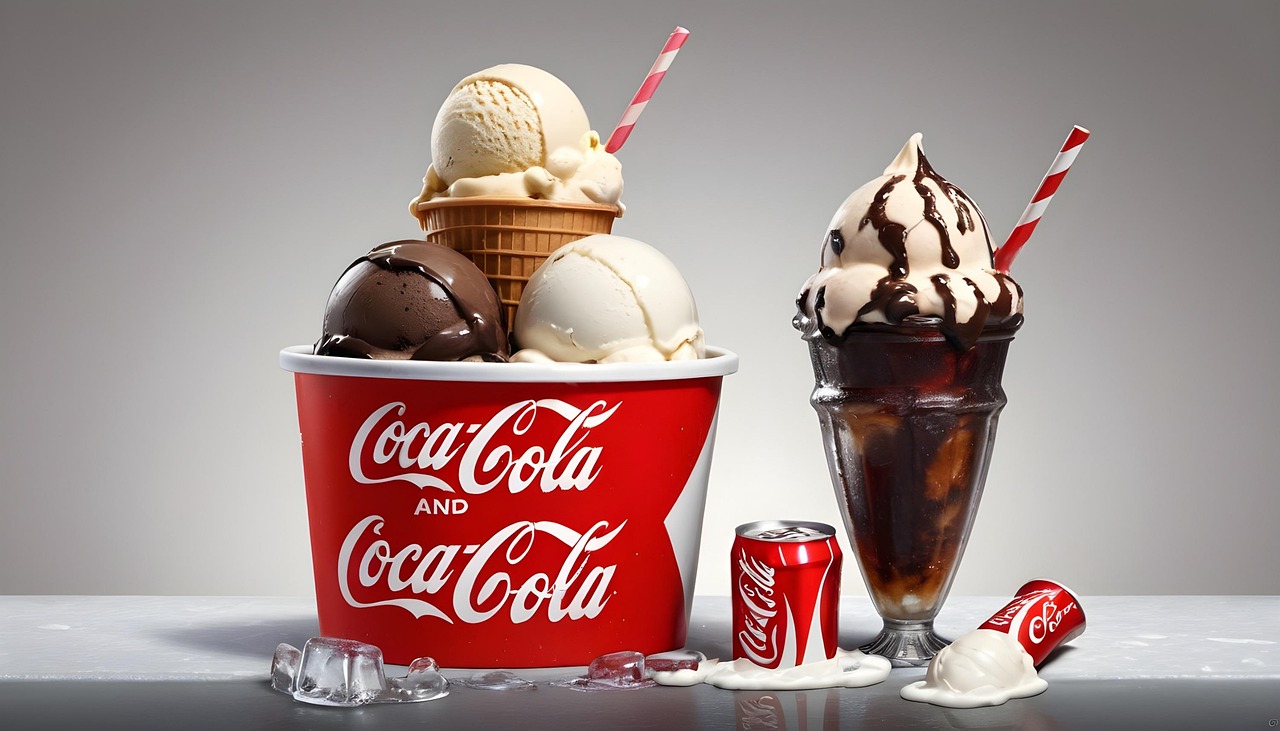
Coca-Cola’s recent holiday advertisement, created with artificial intelligence, has ignited considerable debate and criticism among viewers and marketing experts.

Record-Breaking Results: How AI Influenced $262 B…
After years of fluctuating consumer confidence and stagnant e-commerce traffic, retailers expected only modest results for the 2025 holiday season.
AI and SEO: Navigating the Challenges and Opportu…
The integration of artificial intelligence (AI) into search engine optimization (SEO) represents a pivotal shift for digital marketers, offering both substantial challenges and opportunities that are transforming SEO strategies.
AI Company
Launch your AI-powered team to automate Marketing, Sales & Growth

and get clients on autopilot — from social media and search engines. No ads needed
Begin getting your first leads today

Your News is ready
Your article is ready

Lorem ipsum dolor sit amet consectetur adipisicing elit. Fuga dolor minus maiores. Aut vero expedita dicta, dolorem odit excepturi odio doloremque voluptatem repellat aliquam? Dolores nemo eum id pariatur! Nobis!
Generating video takes longer than text.







