The Rise of AI-Generated Influencers: Transforming Digital Marketing and Brand Engagement

Brief news summary
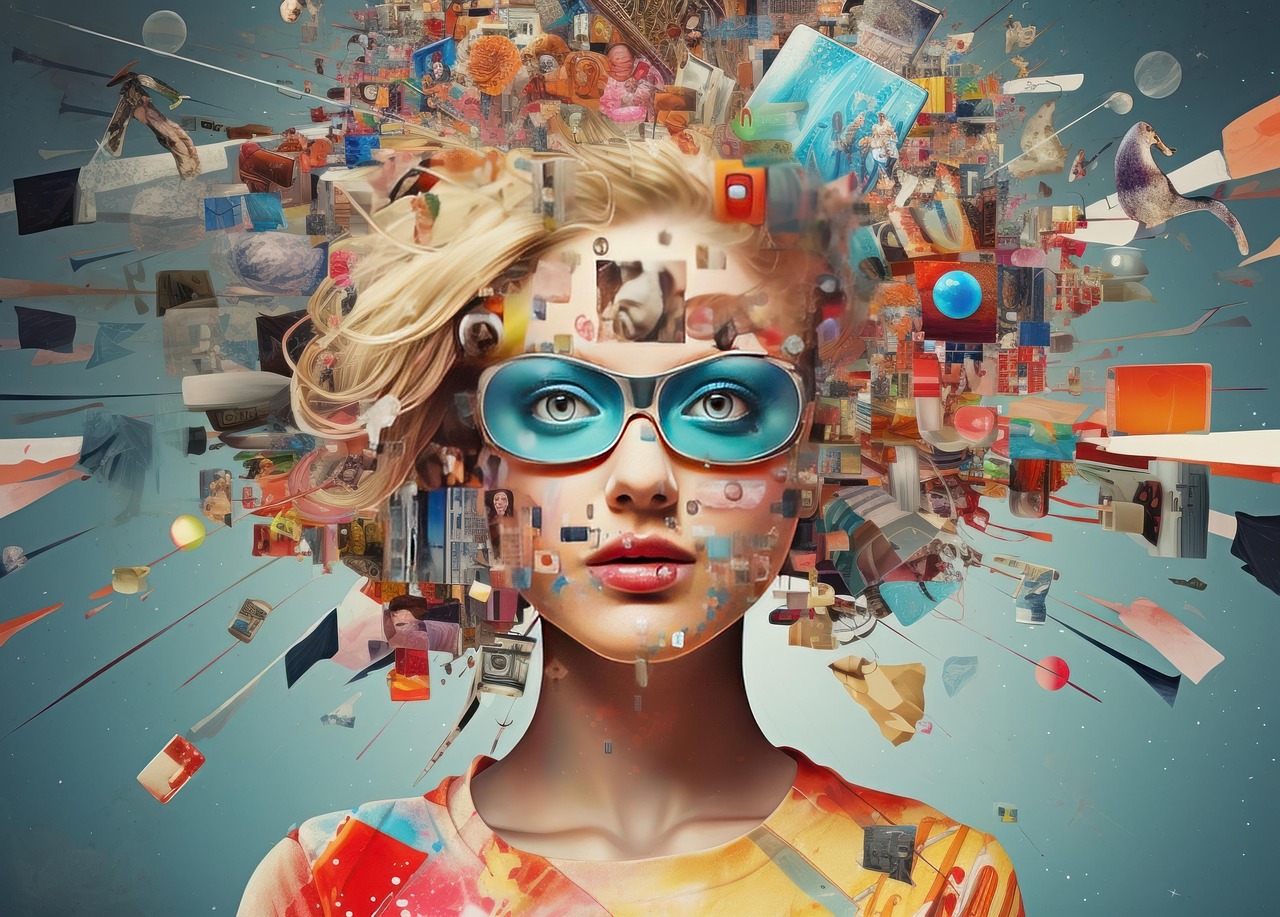
AI-generated influencers are transforming digital marketing by offering brands virtual personalities created through advanced AI and computer graphics. Active on platforms like Instagram, TikTok, and YouTube, these virtual influencers provide consistent content and product endorsements without human limitations. Brands benefit from full control over image management, avoiding logistical challenges and controversies tied to human influencers. Moreover, AI influencers enhance storytelling using augmented reality and interactive content, creating immersive marketing experiences. However, their artificial nature raises concerns about authenticity, trust, and ethics, making transparency essential. While human influencers remain valuable, future marketing will likely combine human and virtual elements. Success in this evolving landscape relies on balancing technology with ethical engagement, reshaping how brands connect with audiences digitally.The rise of artificial intelligence has initiated a new era in digital marketing, with AI-generated influencers rapidly gaining traction as an innovative way for brands to engage audiences. These virtual personalities, created entirely through advanced AI technologies and computer graphics, are reshaping influencer marketing by blending creativity, control, and engagement. Known as virtual influencers, these computer-generated characters interact on social media platforms like Instagram, TikTok, and YouTube, sharing content, endorsing products, and running campaigns with consistent availability that human influencers often cannot match. They are precisely designed to reflect specific brand values, styles, and narratives, granting companies unprecedented control over their messaging. Using AI-generated influencers offers brands several benefits. They resolve common challenges tied to human influencers, such as scheduling issues or unpredictable behavior, since they can operate 24/7, never age unless intentionally altered, and avoid personal controversies. This consistency is particularly valuable for brands aiming for long-term engagement. Additionally, AI influencers enhance storytelling by employing advanced technologies like augmented reality and interactive content, creating immersive marketing experiences beyond the reach of traditional influencers. This opens doors for brands to experiment with new forms of digital creativity, transforming online product and service presentations. However, the rise of AI-generated influencers raises complex questions about authenticity and influence in the digital age. Audiences typically expect influencers to share genuine experiences and opinions, establishing trust and relatability. Virtual influencers, whose personas and stories are fabricated rather than lived, challenge this norm.
This prompts debate about whether consumers should trust endorsements from virtual entities based on simulated experiences. Transparency also becomes an ethical priority, with brands and platforms needing to clearly disclose the artificial nature of such influencers to avoid misleading audiences. Maintaining clear communication about AI-generated content is vital for preserving trust and complying with advertising rules. Looking ahead, influencer marketing is set to evolve as AI influencers grow more advanced and prevalent. While human influencers remain important, virtual personalities provide complementary opportunities for brands to explore. Hybrid campaigns combining human authenticity with virtual innovation may become standard, integrating the best attributes of both. Experts stress that success will hinge on balancing technological advances with audience expectations, engaging consumers ethically and meaningfully. The collaboration of AI and human creativity promises to redefine digital marketing, making it increasingly dynamic and interactive. In summary, AI-generated influencers signify a transformative trend in digital marketing, enabling novel engagement and storytelling methods for brands. Nonetheless, this innovation demands careful attention to authenticity, trust, and ethical transparency. As the boundary between virtual and real blurs, marketers face the critical task of redefining influence within a digitally constructed reality. For further insights and updates on this emerging field, visit hoqueai. tv.
Watch video about
The Rise of AI-Generated Influencers: Transforming Digital Marketing and Brand Engagement
Try our premium solution and start getting clients — at no cost to you