
The Rise of AI-Generated Videos on Social Media: Trends, Benefits, and Ethical Challenges

Brief news summary
The rapid rise of AI-generated videos on social media is revolutionizing digital media by enabling new creative possibilities through advanced machine learning and algorithms. These videos range from deepfake celebrity manipulations to original content generated from text prompts, making video production more accessible than ever. However, this advancement brings significant ethical concerns, including misinformation, privacy violations, and consent issues, as realistic fabricated videos can mislead audiences and damage reputations. The surge in AI content fuels debates about authenticity, human creativity, and the competitive pressures on traditional creators due to AI’s speed and efficiency. Experts predict continued growth in AI video production and stress the importance of cooperation among policymakers, technologists, and society to establish regulations, ethical guidelines, and digital literacy initiatives. Moreover, technical measures like detection tools and content labeling are being developed to improve transparency and accountability. In summary, AI-generated videos present exciting artistic opportunities but also complex ethical challenges that demand balanced approaches fostering innovation while maintaining ethical standards in the evolving digital media environment.The rapid emergence of AI-generated videos on social media platforms marks a significant trend in today’s digital landscape. Increasingly, users share videos created using artificial intelligence technologies, including deepfake recreations of celebrities and entirely new content produced from text prompts. This innovation has transformed content production and consumption, attracting attention from both the public and experts. These videos rely on advanced algorithms and machine learning to produce highly realistic visuals, sometimes indistinguishable from real footage. Deepfakes, a subset of AI videos, manipulate or swap faces in existing media, often featuring well-known figures, while other AI tools generate wholly original content based on descriptive language, expanding digital storytelling in unprecedented ways. Platforms like TikTok, Instagram, and Twitter have seen a surge in AI-generated videos, sparking debate about creativity and authenticity in the digital era. Supporters view AI-driven art and videos as novel, exciting modes of expression that assist creators by automating tasks, enabling rapid idea prototyping, and exploring artistic styles beyond human limits. AI also democratizes creativity by lowering barriers to content creation and broadening diverse participation in digital media. However, critics raise ethical and societal concerns. Deepfakes pose risks of misinformation and deception, with realistic portrayals of individuals doing or saying false things that threaten privacy, reputation, and public trust.
Issues of consent and copyright arise when people’s likenesses are used without permission to fabricate content. There is also apprehension about authenticity, as AI’s growing creative role may overshadow the human qualities—emotions, experiences, perspectives—that define traditional art. Furthermore, AI-generated material’s efficiency challenges content creators struggling to compete. As AI technology advances and becomes more accessible, experts anticipate increased prevalence of AI-generated videos on social media, prompting ongoing debates on AI’s cultural and communicative roles. Policymakers, technologists, and society must address regulatory, ethical, and literacy challenges to mitigate harms while leveraging AI’s creative benefits. Educational efforts teaching users to critically assess digital content and identify manipulations are essential for fostering informed online communities. Concurrently, developers and platforms are investing in detection technologies and clearer labeling of AI-generated content to promote transparency and accountability. In summary, the rise of AI-generated videos represents a pivotal development in digital media’s evolution. While enabling innovative artistic opportunities, it challenges norms around truth, originality, and responsibility. Balanced approaches that nurture creativity and uphold ethical standards will be crucial as society adapts to this transformative digital reality.
Watch video about
The Rise of AI-Generated Videos on Social Media: Trends, Benefits, and Ethical Challenges
Try our premium solution and start getting clients — at no cost to you

I'm your Content Creator.
Let’s make a post or video and publish it on any social media — ready?

Content Maker

Last news
The Best for your Business
Hot news

News publishers expect search traffic to drop 43%…
A recent report underscores a notable predicted shift in online news consumption and search engine referrals, anticipating a significant 43% decline in traffic that news publishers receive from search engines by 2029.
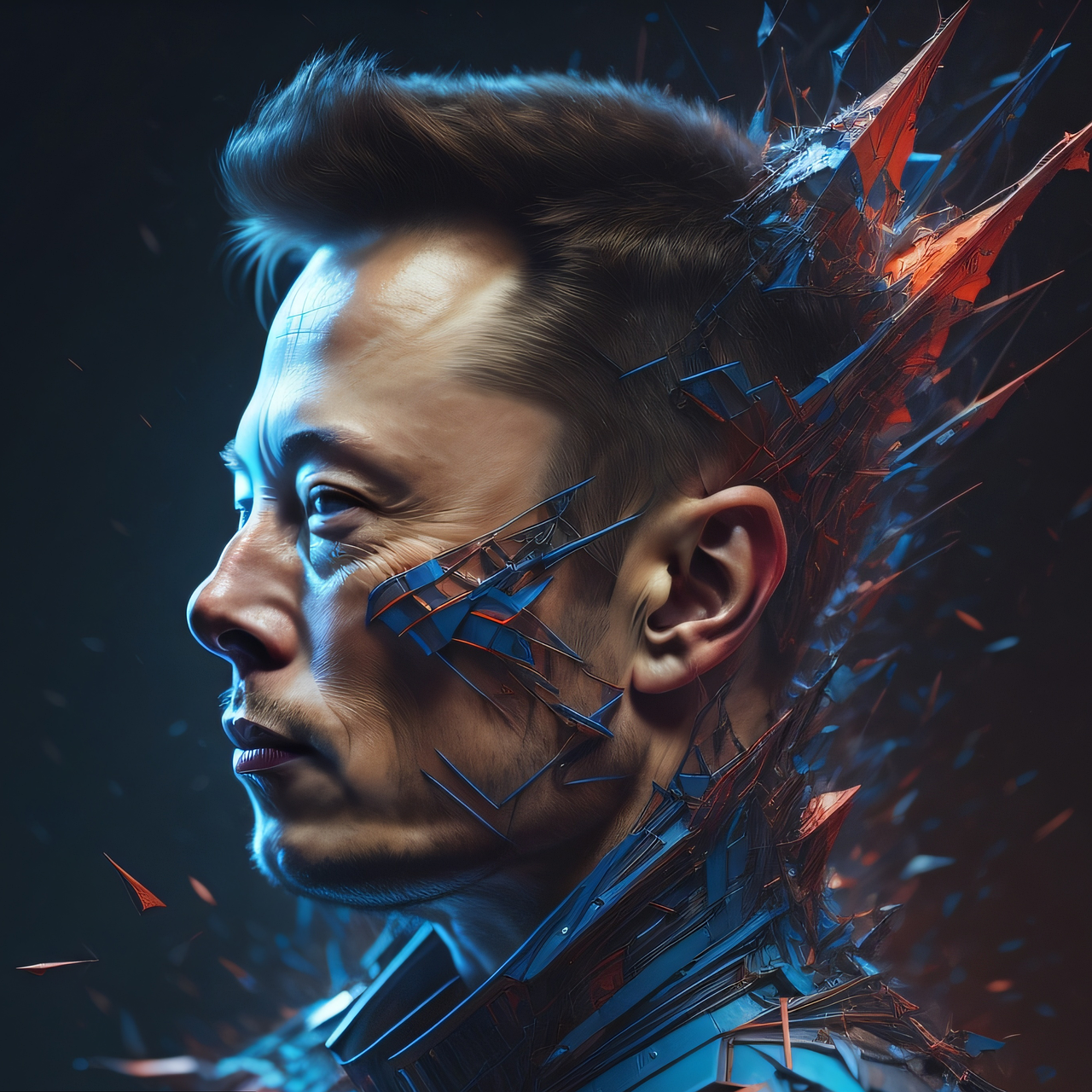
California Investigates Elon Musk’s AI Company Af…
The Santa Barbara Independent republishes stories from CalMatters.org covering state and local issues affecting Santa Barbara County readers.

OpenAI Hires AWS AI Sales Leader; AI Boom Is ‘So …
“It’s a little-known fact that OpenAI already serves over 1 million business customers, and I’m excited to help these customers drive the next wave of innovation while also attracting new users to the platform,” said Scott Rosecrans, formerly AWS’ vice president of AI sales and strategic pursuits, now joining OpenAI.
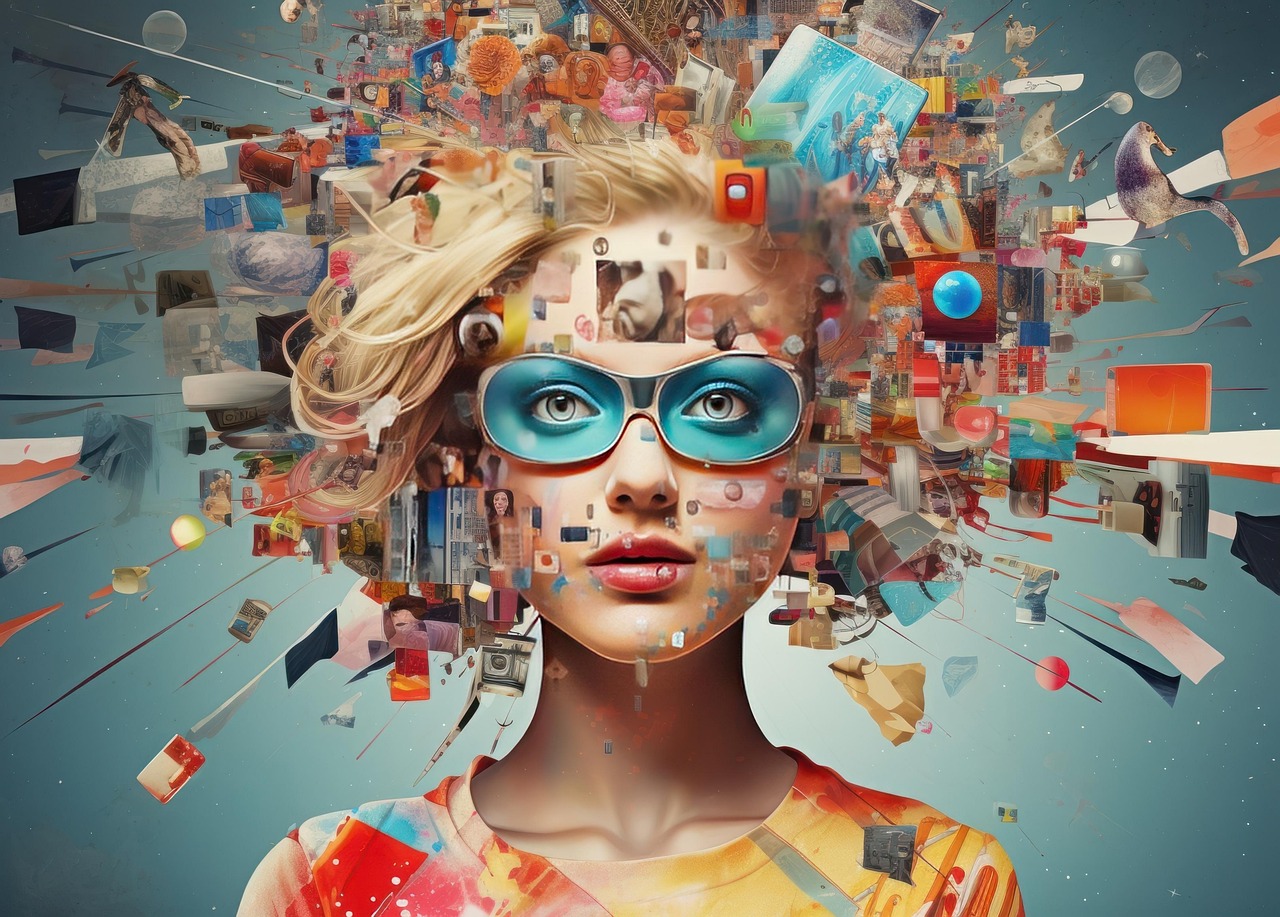
AI in Social Media Marketing: Enhancing Engagemen…
In recent years, social media platforms have significantly evolved through the integration of artificial intelligence (AI) technologies aimed at enhancing user engagement and content delivery for a more personalized and efficient experience.

Trump Administration Clears Nvidia's H200 AI Chip…
On Tuesday, the Donald Trump administration officially approved Nvidia Corporation's (NASDAQ: NVDA) sale of its H200 artificial intelligence chips to China.

AI-Generated Video Content: The Future of Digital…
In the rapidly changing digital marketing environment, the use of artificial intelligence (AI) for creating video content is gaining considerable traction.

AI and SEO: A Symbiotic Relationship for Digital …
The intersection of artificial intelligence (AI) and search engine optimization (SEO) is rapidly reshaping digital marketing, providing businesses with innovative ways to boost their online presence and engage target audiences more effectively.
AI Company
Launch your AI-powered team to automate Marketing, Sales & Growth

and get clients on autopilot — from social media and search engines. No ads needed
Begin getting your first leads today

Your News is ready
Your article is ready

Lorem ipsum dolor sit amet consectetur adipisicing elit. Fuga dolor minus maiores. Aut vero expedita dicta, dolorem odit excepturi odio doloremque voluptatem repellat aliquam? Dolores nemo eum id pariatur! Nobis!
Generating video takes longer than text.







