
The Rise of AI-Generated Videos: Opportunities, Risks, and Ethical Challenges

Brief news summary
AI-generated videos are rapidly gaining popularity on social media, featuring deepfake recreations of celebrities and entirely original content created by machine learning and neural networks. These advances expand digital storytelling and artistic expression, highlighting AI’s creative potential. However, this rise brings ethical concerns including authenticity, consent, misinformation, and identity theft, as manipulated videos can deceive and harm individuals. To address these challenges, platforms use detection tools, enforce disclosure policies, and promote transparency, while users must improve media literacy to critically assess content. AI videos also democratize creativity by merging human imagination with AI capabilities, fostering new art forms. Overcoming ethical issues requires collaboration among developers, creators, policymakers, and users to establish standards and accountability. Ongoing regulatory updates and advances in detection technology are crucial to protect privacy and combat misinformation. As AI evolves rapidly, responsible use is essential to maintain honesty, respect, and ethics in digital media creation and consumption.The rapid rise of AI-generated videos is becoming a dominant trend across social media platforms, captivating millions globally. These videos, produced using advanced AI technologies, range from sophisticated deepfake recreations of celebrities to entirely original characters and imaginative scenarios created solely by AI models. This innovation showcases AI’s vast creative potential in reshaping digital content creation, offering new ways for users to engage with media and storytelling. AI-generated videos are created through machine learning algorithms and neural networks that analyze large datasets to produce highly realistic and engaging visuals. Deepfake technology, for example, uses AI to superimpose one person's face onto another's body in videos, often resulting in outputs indistinguishable from real footage. Beyond deepfakes, generative AI models fabricate wholly new scenes and entities, expanding the horizons of imagination and digital art. However, these exciting advancements raise important concerns about authenticity, consent, and ethics. The ability to replicate or fabricate human likenesses fuels worries over misinformation, identity theft, and malicious uses. Deepfake videos, for instance, can be manipulated to spread falsehoods, harm reputations, or create misleading portrayals without the subject’s consent. This highlights the urgent need for ethical guidelines and consent frameworks in AI-driven content creation. Social media platforms, where these videos are mainly shared, are actively addressing these challenges. Some invest in detection technologies to identify and label AI-generated content, enhancing transparency and helping users distinguish real from synthetic media. Others enforce policies requiring creators to disclose AI use or ban certain harmful synthetic media. From a user standpoint, this evolving digital landscape demands increased media literacy and critical thinking.
Consumers must learn to assess content credibility, question sources and contexts, and scrutinize videos that may be fabricated or altered. Education and awareness initiatives are vital to help the public navigate these challenges responsibly. Beyond ethical issues, AI-generated videos spark broader debates on the future of creativity and artistic expression. Traditionally a human endeavor fueled by imagination and emotion, content creation is now evolving into a collaboration between humans and AI systems. This partnership could redefine creative processes, democratize content production by lowering technical barriers, and produce innovative forms of entertainment and art. Balancing AI’s creative benefits with its risks is essential. Stakeholders—including technologists, creators, platforms, policymakers, and the public—must work together to establish frameworks promoting responsible AI use. This involves setting ethical standards, enhancing transparency, and fostering accountability in AI-generated media. Regulatory bodies might need to create new laws or adapt existing ones addressing intellectual property, privacy, and misinformation related to AI media. Concurrently, ongoing research into detection methods and improved user interfaces can help create a safer, more trustworthy digital environment. As AI technology advances rapidly, its impact on media and society deepens. The surge of AI-generated videos exemplifies both remarkable opportunities and significant challenges. Through proactive engagement, the digital community can harness AI’s transformative power while upholding honesty, respect, and ethical responsibility in content creation and consumption.
Watch video about
The Rise of AI-Generated Videos: Opportunities, Risks, and Ethical Challenges
Try our premium solution and start getting clients — at no cost to you

I'm your Content Creator.
Let’s make a post or video and publish it on any social media — ready?

Content Maker

Last news
The Best for your Business
Hot news

AI-Driven SEO: Transforming Content Strategies fo…
As we enter 2026, artificial intelligence (AI) is profoundly transforming search engine optimization (SEO), revolutionizing how marketers create, distribute, and evaluate content.

Runway Partners with IMAX to Showcase AI-Generate…
Runway has announced an exciting collaboration with IMAX to present a series of AI-generated films in 10 major U.S. cities.

IBM says AI is insane in the mainframe as z17 sal…
IBM's leadership has championed an AI-on-the-mainframe future, with generative AI bridging the COBOL skills gap left by previous generations of technology experts.

Microsoft's AI-Powered Copilot: Transforming Offi…
Microsoft has introduced a new milestone in productivity by integrating artificial intelligence into its popular Office Suite through a feature called Copilot.
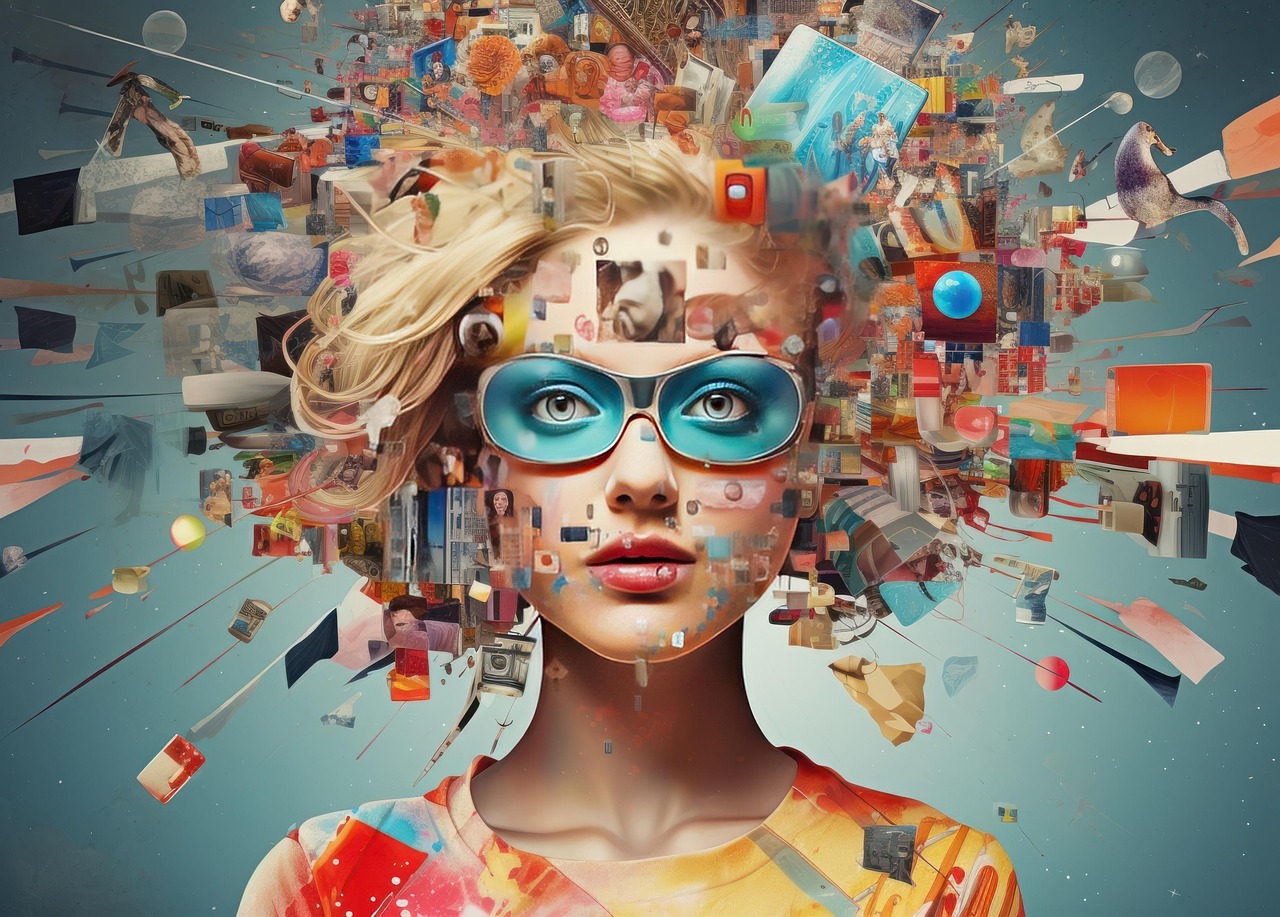
Madaladaha Suuqgeynta Warbaahinta Bulshada ee Kaa…
AI Company Kickstart your AI-driven team to automate Marketing, Sales & Growth and attract clients effortlessly — leveraging social media and search engines

Caterpillar gets a big AI sales boost as tariffs …
In this article: By Abhinav Parmar and Nathan Gomes Jan 29 (Reuters) - Caterpillar's fourth-quarter results reflected trends in the global economy, with sales driven by a surge in artificial intelligence-related spending, even as the equipment giant warned investors of a tariff impact exceeding $2 billion in the upcoming year
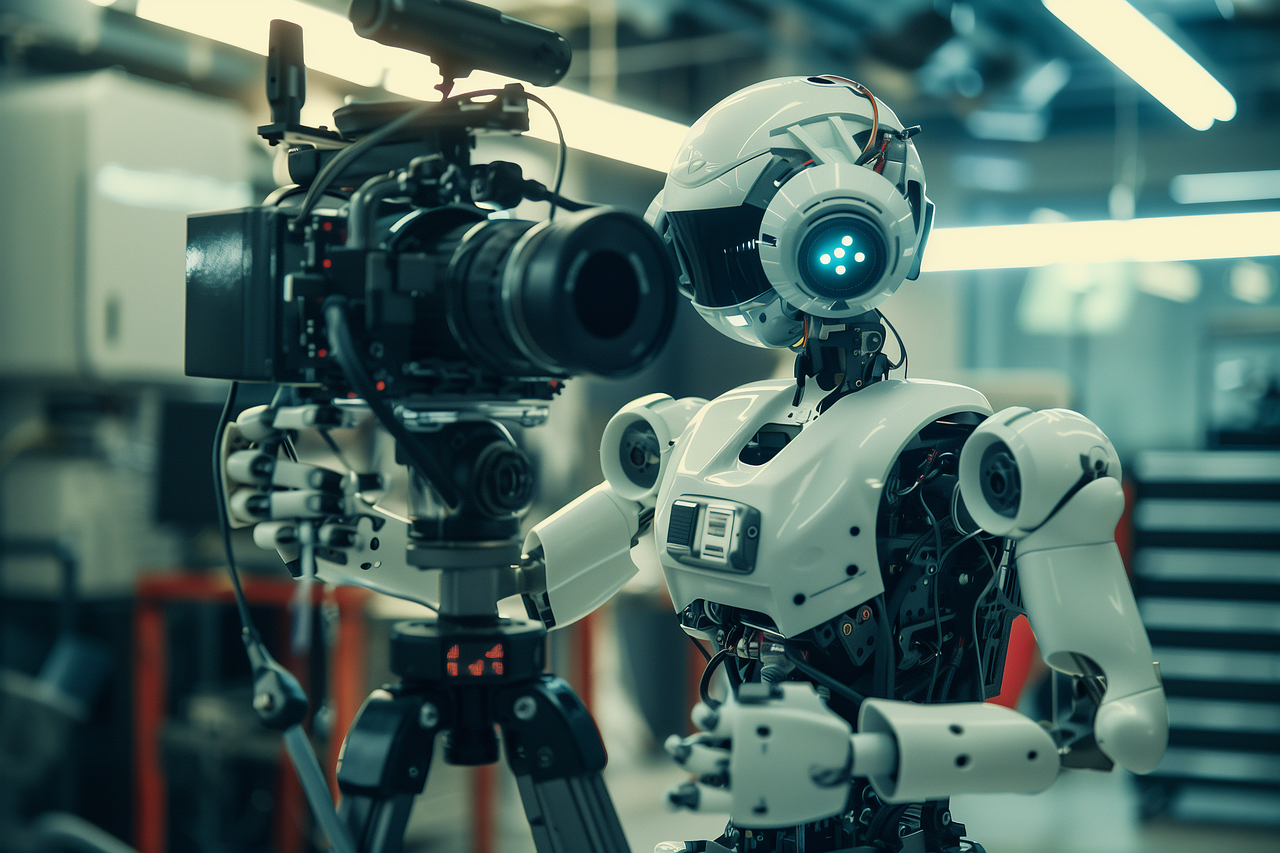
AI in Video Production: Streamlining Workflows an…
Artificial intelligence is transforming the entertainment industry by streamlining video production workflows, significantly cutting costs, and boosting overall efficiency.
AI Company
Launch your AI-powered team to automate Marketing, Sales & Growth

and get clients on autopilot — from social media and search engines. No ads needed
Begin getting your first leads today

Your News is ready
Your article is ready

Lorem ipsum dolor sit amet consectetur adipisicing elit. Fuga dolor minus maiores. Aut vero expedita dicta, dolorem odit excepturi odio doloremque voluptatem repellat aliquam? Dolores nemo eum id pariatur! Nobis!
Generating video takes longer than text.







