
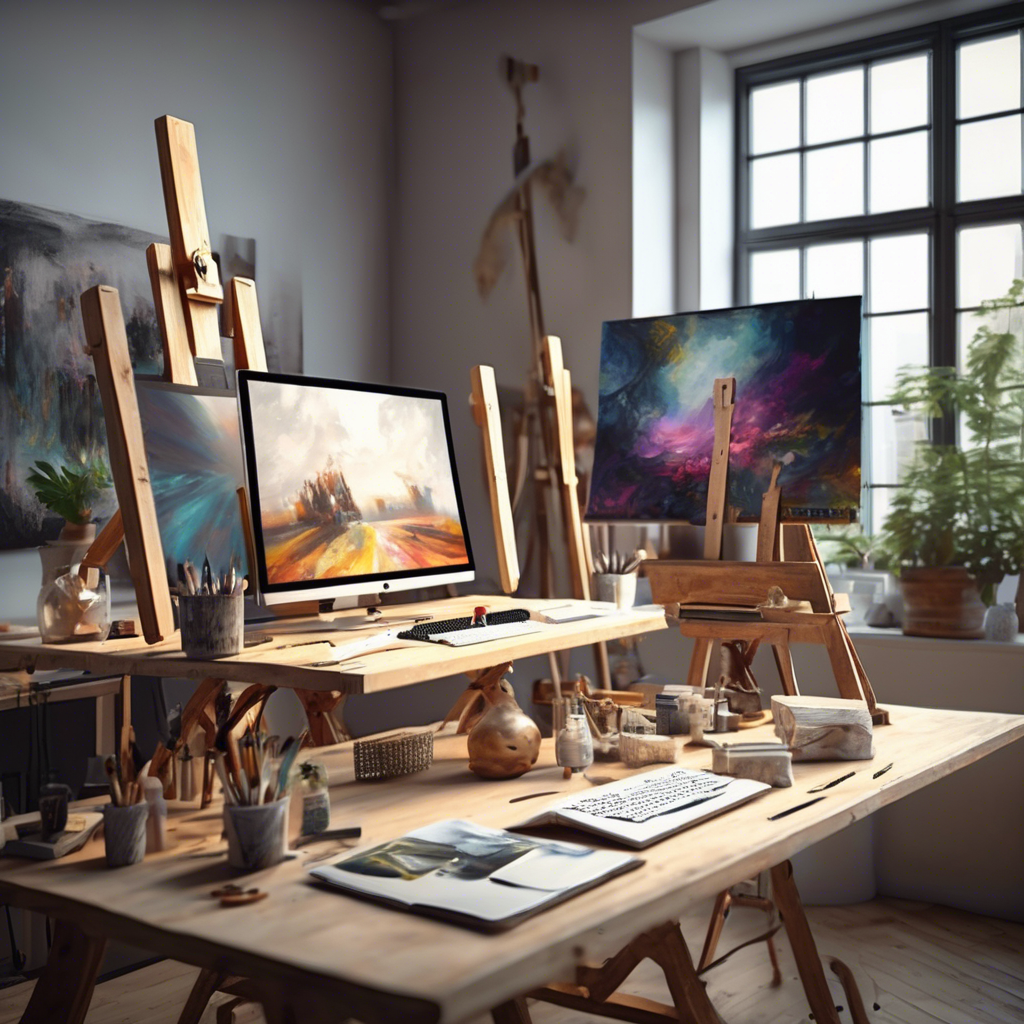
The fusion of artificial intelligence and art is dramatically transforming creative expression. Recent AI advances empower machines to assume roles once exclusive to human artists. Through sophisticated algorithms and deep learning, AI now produces diverse works, including music, visual art, and literature. This merger is not only a technical feat but also a cultural shift that questions traditional ideas of authorship, creativity, and the core of artistic endeavor. AI-generated music exemplifies this transformation. By analyzing vast datasets of compositions, algorithms recognize patterns to create original pieces across genres from classical to electronic. This capability offers musicians new ways to collaborate with AI tools to enhance creativity and explore fresh styles. Importantly, AI acts as an inventive partner rather than replacing human musicians, broadening musical possibilities. Visual arts have likewise evolved through AI-driven tools. Techniques like generative adversarial networks (GANs) enable artists and programmers to craft images—portraits, landscapes, abstracts, or surreal works—that often rival human-made art. AI art challenges established notions of originality and skill, prompting reconsideration of authentic artistic creation. It also fosters inclusivity by empowering those without formal training to generate compelling artworks. In literature, AI language models create poetry, stories, and scripts by understanding context and generating coherent narratives.
These models assist writers by suggesting ideas, continuing plots, or inspiring creativity. Although AI lacks consciousness or subjective experience, its literary role provokes reflection on creativity’s nature and the potential for human-AI storytelling collaboration. The rise of AI in creative fields raises important philosophical and ethical questions, especially concerning authorship: who owns creative credit when machines produce art—programmers, users, the AI, or a mix?Concerns also arise about AI’s impact on artists’ employment and the risk of homogenized content via algorithms. Nonetheless, many experts view AI as a tool augmenting rather than replacing creativity, enabling artists to explore unexplored expressive realms. Moreover, AI innovations are generating new ways to exhibit and consume art. Virtual galleries, interactive installations, and AI-curated shows offer immersive experiences blending technology with artistic sensibility. AI’s ability to personalize art recommendations reshapes how audiences engage with creative works, enhancing accessibility and responsiveness to individual tastes. Educational institutions and creative industries increasingly integrate AI into curricula and professional practices to prepare artists for this evolving environment. Interdisciplinary programs combining computer science, design, and fine arts equip students to use AI tools effectively and ethically, underscoring the need for digital literacy and critical thinking alongside traditional artistic skills. In summary, the symbiosis of AI and art is revolutionizing culture by expanding creative possibilities and challenging long-held assumptions about authorship and originality. While posing complex ethical and philosophical challenges, this dynamic also opens avenues for innovation, collaboration, and democratization of artistic expression. As technology advances, the ongoing dialogue between human creativity and AI will inspire novel art forms reflecting the intertwined nature of human imagination and machine intelligence.
How AI is Revolutionizing Art: Exploring Creativity, Authorship, and Innovation




The Walt Disney Company has initiated a significant legal action against Google by issuing a cease-and-desist letter, accusing the tech giant of infringing on Disney’s copyrighted content during the training and development of generative artificial intelligence (AI) models without providing compensation.
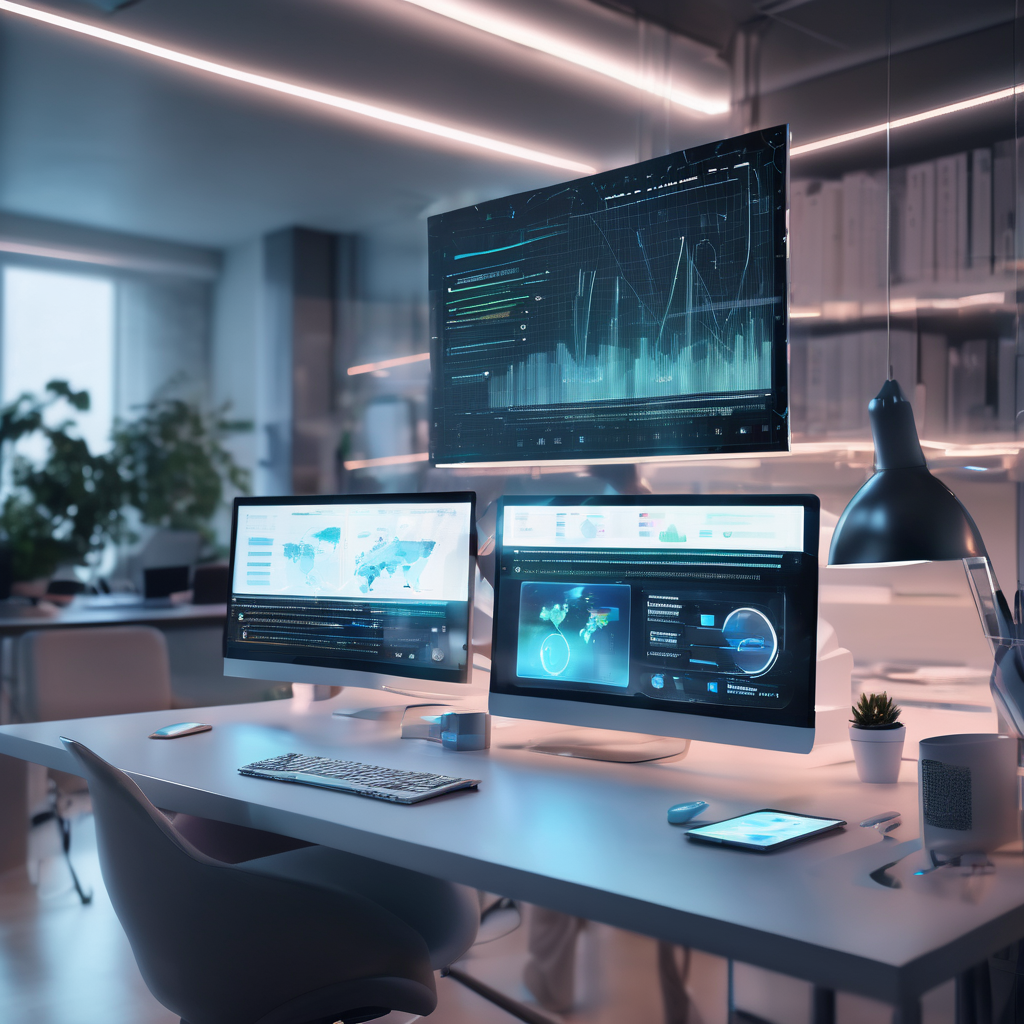
As artificial intelligence (AI) advances and increasingly integrates into digital marketing, its influence on search engine optimization (SEO) is becoming significant.
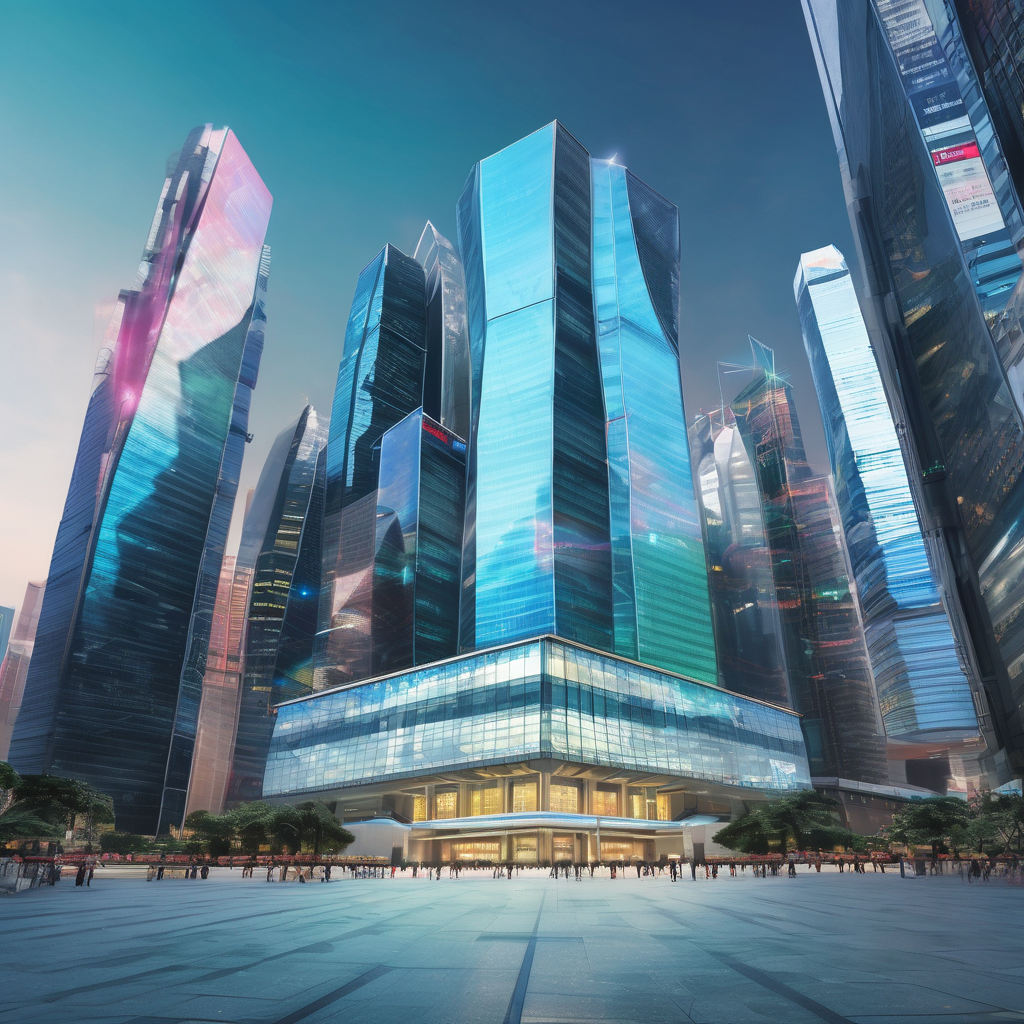
MiniMax and Zhipu AI, two leading artificial intelligence companies, are reportedly preparing to go public on the Hong Kong Stock Exchange as early as January next year.

Denise Dresser, CEO of Slack, is set to leave her position to become Chief Revenue Officer at OpenAI, the company behind ChatGPT.
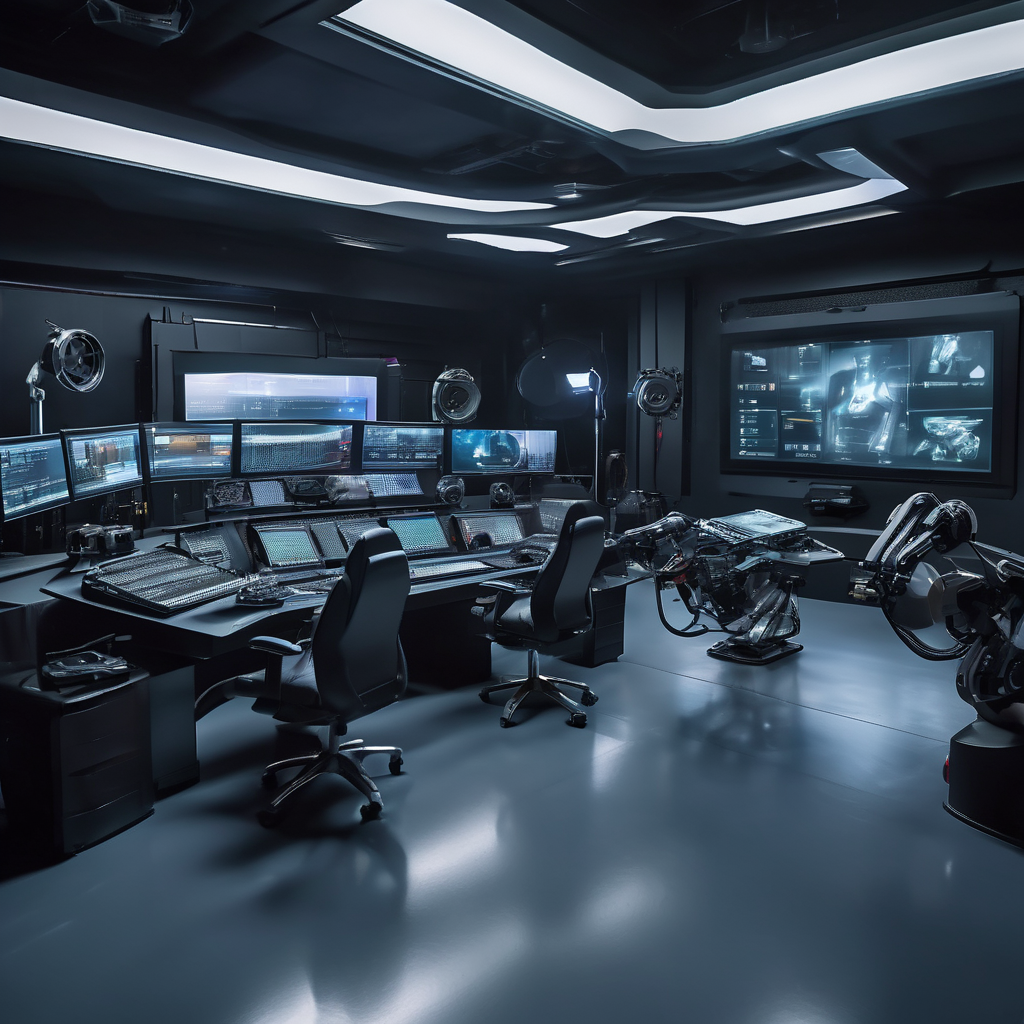
The film industry is experiencing a major transformation as studios increasingly incorporate artificial intelligence (AI) video synthesis techniques to improve post-production workflows.
AI is revolutionizing social media marketing by offering tools that simplify and enhance audience engagement.
The emergence of AI-generated influencers on social media signifies a major shift in the digital environment, sparking widespread debates about the authenticity of online interactions and the ethical concerns tied to these virtual personas.
Launch your AI-powered team to automate Marketing, Sales & Growth

and get clients on autopilot — from social media and search engines. No ads needed
Begin getting your first leads today


Lorem ipsum dolor sit amet consectetur adipisicing elit. Fuga dolor minus maiores. Aut vero expedita dicta, dolorem odit excepturi odio doloremque voluptatem repellat aliquam? Dolores nemo eum id pariatur! Nobis!

Create your own avatar to work for you — completely free of charge!
Sign up with Google


We've sent a confirmation email to
Please check your inbox and click the link to complete your registration
Didn’t receive it? Check your Spam or Promotions folder
and get clients without any advertising investment!

Create and publish viral social media content on autopilot



AI sales managers work 24/7, with no need for sleep, food, or breaks, and speak all languages.
You have unsubscribed from the mailing list recklessly but successfully.
We are not saying goodbye and look forward to seeing you again.