
The Role of Artificial Intelligence in Advancing Autonomous Vehicle Technology
Brief news summary
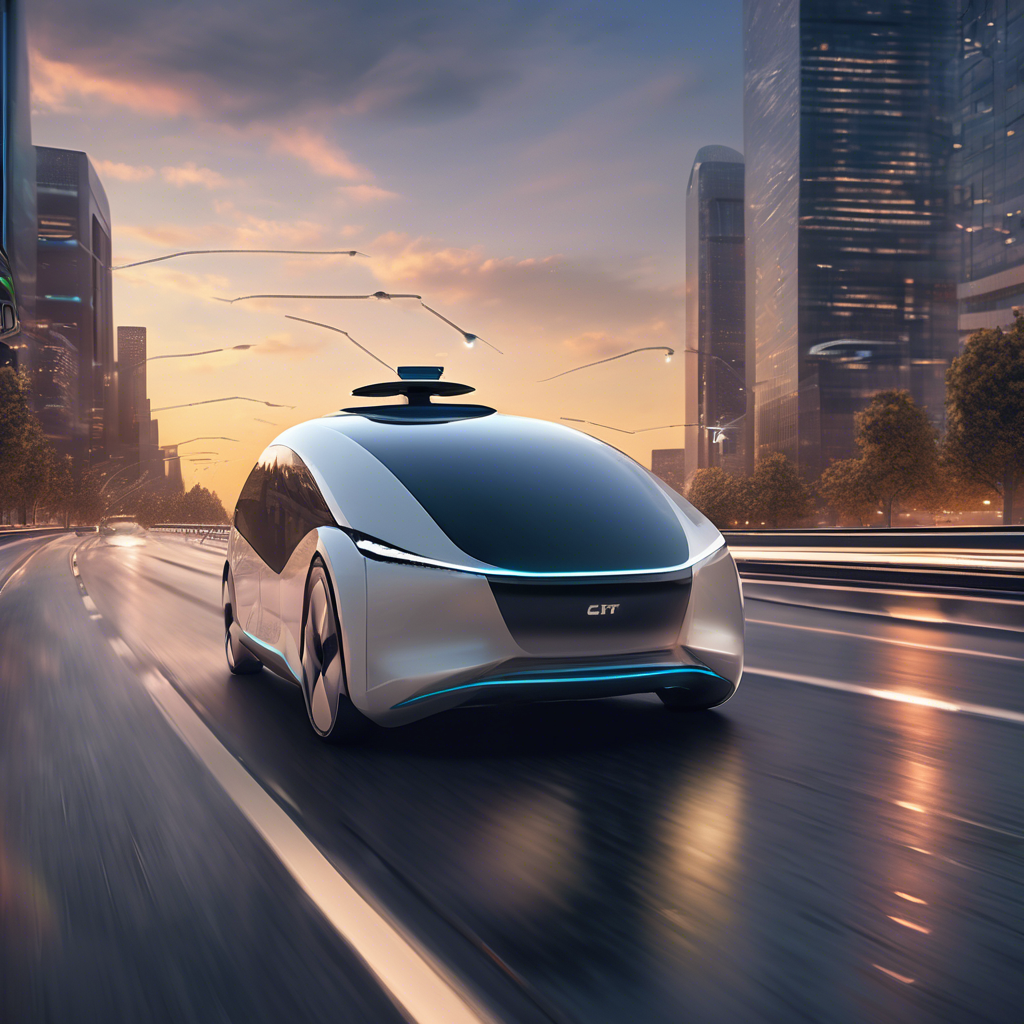
Artificial intelligence is key to autonomous vehicle development, enabling real-time analysis of sensor and camera data for quick, safe driving decisions. AI mimics human driving skills to navigate complex environments, while machine learning improves safety and reliability by allowing vehicles to learn from extensive data, adapt to changing conditions, and manage unexpected events, reducing accidents caused by human error. Despite progress, challenges such as safety regulations, liability, ethics, cybersecurity, and public acceptance remain. The automotive industry works with policymakers and experts to create standards, testing procedures, and education initiatives to address these issues. In the future, autonomous vehicles could transform transportation by reducing traffic congestion and environmental impact, coexisting with traditional cars. Overall, AI-driven autonomous vehicles promise significant societal and environmental benefits, contingent on overcoming regulatory and social hurdles for widespread adoption.Artificial intelligence has become a central component in the rapid advancement of autonomous vehicle technology. These sophisticated AI systems are designed to analyze real-time data gathered from numerous sensors and cameras mounted on the vehicle. By processing this data, the technology interprets the surrounding environment, allowing the vehicle to make autonomous driving decisions. This ability enables the vehicle to navigate complex and dynamic road situations, effectively replicating human driving skills but with greater precision and faster reaction times. Continuous progress in machine learning algorithms is crucial for enhancing the safety and reliability of self-driving cars. Machine learning allows these AI systems to learn from extensive driving data, adapt to varying road conditions, and improve their responses over time. This ongoing learning process is vital for managing unpredictable scenarios, identifying obstacles, adhering to traffic laws, and smoothly integrating with regular traffic. Such advancements greatly help reduce accidents caused by human error, a primary objective in developing autonomous vehicles. Despite these technological gains, numerous challenges remain on the road to widespread autonomous vehicle adoption. One significant hurdle is navigating the intricate regulatory landscape. Governments and regulatory agencies worldwide are still crafting comprehensive frameworks to ensure autonomous vehicles comply with strict safety requirements, liability issues, and ethical concerns. These regulations are essential to protect consumers and public safety while fostering innovation within the automotive industry.
Public acceptance also poses a major challenge. Many people feel uneasy about the safety and dependability of autonomous driving systems, worried about possible malfunctions or cybersecurity risks. Establishing public trust necessitates transparent communication about the technology’s capabilities and limits, along with proven safety records from pilot projects and real-world deployments. The automotive industry acknowledges these challenges and is proactively working with policymakers, technology specialists, and other stakeholders to address them thoroughly. This collaboration seeks to create clear guidelines that support the safe integration of autonomous vehicles into the existing transportation network. Efforts include developing standardized testing frameworks, promoting data-sharing initiatives, and launching public education campaigns to increase awareness and confidence in autonomous technology. Looking forward, incorporating autonomous vehicles into mainstream transportation promises to transform mobility, decrease traffic congestion, and lower environmental impact through optimized driving patterns. Industry leaders envision a future where autonomous vehicles seamlessly coexist with conventional cars, resulting in safer and more efficient roadways. In conclusion, artificial intelligence remains the driving force behind autonomous vehicle innovation, enabling significant technological breakthroughs that improve safety and operational effectiveness. Although regulatory and societal challenges persist, joint efforts by the automotive sector and regulators are paving the way for autonomous vehicles to become a common presence in transportation systems soon. This groundbreaking technology is set to redefine commuting, offering numerous benefits that go beyond convenience to include broad societal and environmental improvements.
Watch video about
The Role of Artificial Intelligence in Advancing Autonomous Vehicle Technology
Try our premium solution and start getting clients — at no cost to you

I'm your Content Creator.
Let’s make a post or video and publish it on any social media — ready?

Content Maker

Last news
The Best for your Business
Hot news

Digital.ai's 18th State of Agile Report Highlight…
Digital.ai has released its 18th annual State of Agile Report, presenting a thorough analysis of the changing landscape of agile software delivery and the crucial impact artificial intelligence (AI) is having on its evolution.

Semify acquires Dragon Metrics to boost global AI…
Semify, a US-based white-label digital marketing platform, has acquired Dragon Metrics, an SEO and advertising reporting platform headquartered in Hong Kong with strong ties to international markets.

AI Marketing News (AIM)
Stay ahead in the fast-changing world of artificial intelligence with our leading AI Marketing News service, which delivers the latest and most insightful updates straight to your inbox.

21-Year-Old Giles Bailey Helps SMM Dealfinder Bre…
In today’s fast-evolving digital economy, where speed and personalization are paramount, Giles Bailey, a 21-year-old Head Consultant at SMM Dealfinder, is transforming how marketing agencies attract clients.

ConvoGPT Unveils ConvoGPT OS to Automate Sales an…
South Carolina, USA, January 9th, 2026, FinanceWire ConvoGPT today unveiled ConvoGPT OS, a cutting-edge AI employee replacement system aimed at completely removing human reliance in sales, follow-ups, pipeline management, and deal execution

Disney+ Plans New Features for "AI Native Generat…
Disney aims to capture a larger portion of the mobile video market: The entertainment powerhouse plans to launch a new vertical video feature on Disney+ within the next year, showcasing short-form content from its entertainment catalog, alongside news and sports coverage.

SEO Pulse: Core Update Favors Niche Expertise, AI…
Welcome to this week’s Pulse, covering updates from December’s Google core update, platform responses to AI quality concerns, and disputes highlighting tensions in AI-generated health information.
AI Company
Launch your AI-powered team to automate Marketing, Sales & Growth

and get clients on autopilot — from social media and search engines. No ads needed
Begin getting your first leads today

Your News is ready
Your article is ready

Lorem ipsum dolor sit amet consectetur adipisicing elit. Fuga dolor minus maiores. Aut vero expedita dicta, dolorem odit excepturi odio doloremque voluptatem repellat aliquam? Dolores nemo eum id pariatur! Nobis!
Generating video takes longer than text.







