
How AI is Revolutionizing Personalized Content and Advertising on Social Media
Brief news summary
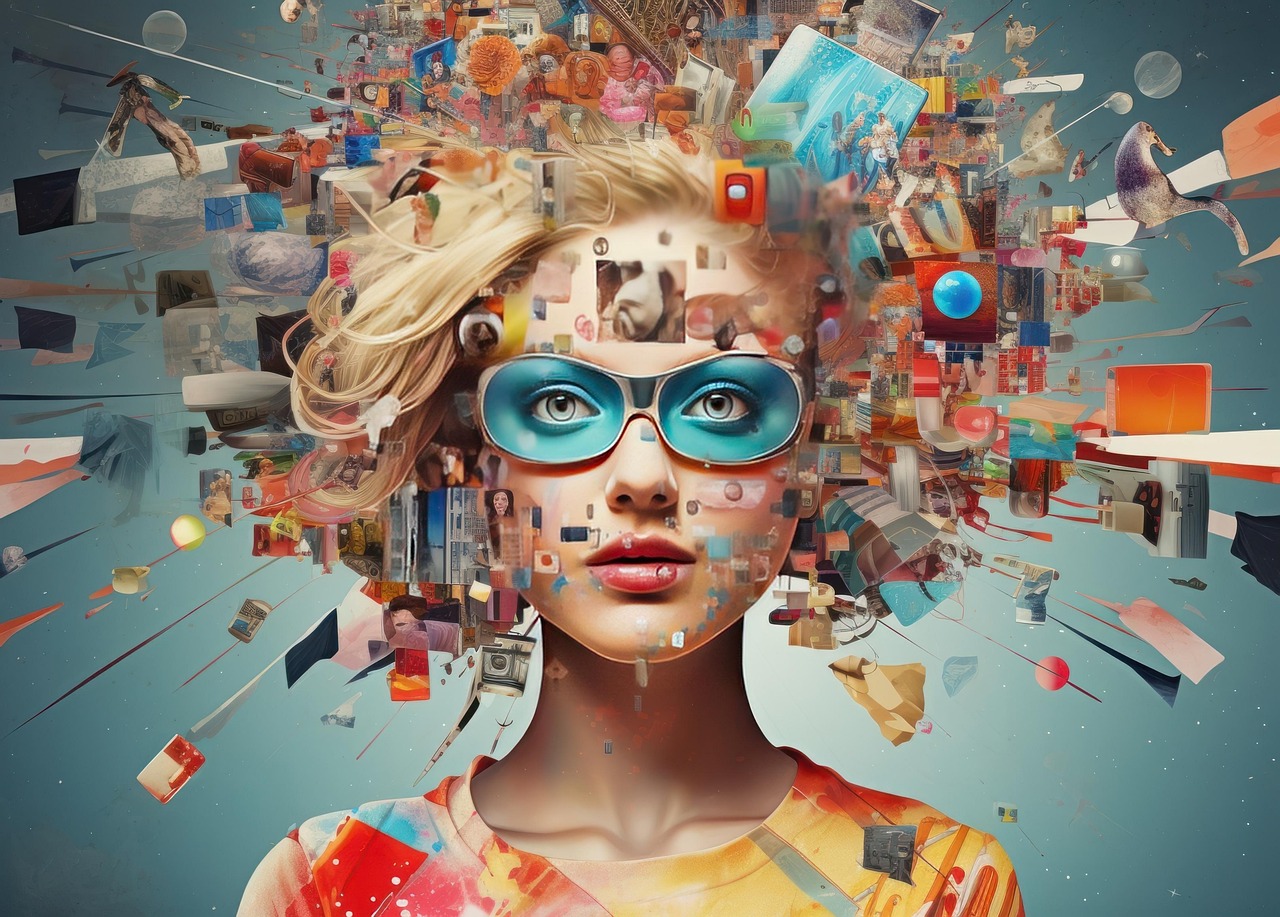
Artificial intelligence (AI) has transformed social media by personalizing user experiences and enhancing targeted advertising. By analyzing behaviors such as likes, comments, and viewing time, AI customizes content feeds to match individual preferences, boosting engagement and helping users discover relevant posts through recommendation systems. For marketers, AI enables precise ad targeting, increasing conversion rates and campaign success. However, extensive data collection raises privacy concerns, leading platforms to balance personalization with ethical considerations. AI-driven personalization can also create filter bubbles, limiting users’ exposure to diverse viewpoints and affecting online discourse. Despite these challenges, AI technologies like natural language processing and sentiment analysis enhance social media responsiveness and customization. Ethical AI use is crucial to maintaining inclusive, engaging, and dynamic online environments that benefit both users and marketers.In recent years, social media platforms have significantly evolved through the integration of artificial intelligence (AI) technologies aimed at enhancing user engagement and content delivery for a more personalized and efficient experience. This article explores how AI algorithms analyze user behavior to curate individualized content feeds, recommend relevant posts, and optimize ad placements, highlighting the implications for both users and marketers. At the core of AI integration is its ability to collect and analyze vast amounts of user data in real time. Every interaction—likes, comments, shares, and even time spent on content—is tracked and processed by sophisticated algorithms to identify unique user patterns and preferences. This data enables platforms to tailor feeds specifically to individual interests and habits. One prominent AI application is the personalized feed, which contrasts with the earlier chronological or generic feeds by prioritizing content that users are most likely to engage with. This customization boosts user satisfaction, encouraging longer sessions and more interaction. Additionally, AI-powered content recommendation engines use machine learning to suggest videos, posts, and articles aligned with users’ demonstrated preferences, helping them discover new creators and topics that broaden their experience within social media. AI also transforms advertisement delivery by enabling precise targeting of ads to users who are most likely to be interested in the promoted products or services. This approach leads to higher conversion rates, more efficient ad spending, and improved returns on investment for companies. Beyond convenience and marketing efficiency, AI mastery is becoming essential for marketers to stay competitive.
Understanding AI-generated insights like user segmentation and behavior analytics allows marketers to design more impactful campaigns that resonate with their audiences. However, AI’s rise introduces challenges, notably privacy concerns as users become more aware of extensive data collection. Social media companies must balance personalized experiences with user privacy, complying with regulations and ethical standards. Additionally, AI-driven algorithms can create filter bubbles, exposing users primarily to content that aligns with their existing beliefs and limiting exposure to diverse viewpoints, which is crucial for fostering informed discourse. Despite these challenges, AI remains a powerful tool for improving engagement and content delivery. Continuous refinement of algorithms enables platforms to offer more meaningful interactions for users and sharper targeting for marketers. Future AI advances, including natural language processing, sentiment analysis, and real-time data processing, promise even greater personalization and responsiveness in social media. In summary, AI integration has ushered in a new era of personalized content delivery and optimized advertising on social media. While offering substantial benefits in engagement and marketing effectiveness, it also calls for vigilant attention to privacy and societal impacts of algorithmic curation. Collaboration among digital stakeholders is vital to ensure responsible AI use, fostering an inclusive and dynamic social media environment for all users.
Watch video about
How AI is Revolutionizing Personalized Content and Advertising on Social Media
Try our premium solution and start getting clients — at no cost to you

I'm your Content Creator.
Let’s make a post or video and publish it on any social media — ready?

Content Maker

Last news
The Best for your Business
Hot news

News publishers expect search traffic to drop 43%…
A recent report underscores a notable predicted shift in online news consumption and search engine referrals, anticipating a significant 43% decline in traffic that news publishers receive from search engines by 2029.
California Investigates Elon Musk’s AI Company Af…
The Santa Barbara Independent republishes stories from CalMatters.org covering state and local issues affecting Santa Barbara County readers.

OpenAI Hires AWS AI Sales Leader; AI Boom Is ‘So …
“It’s a little-known fact that OpenAI already serves over 1 million business customers, and I’m excited to help these customers drive the next wave of innovation while also attracting new users to the platform,” said Scott Rosecrans, formerly AWS’ vice president of AI sales and strategic pursuits, now joining OpenAI.

AI-Generated Videos Gain Popularity on Social Med…
The rapid emergence of AI-generated videos on social media platforms marks a significant trend in today’s digital landscape.

Trump Administration Clears Nvidia's H200 AI Chip…
On Tuesday, the Donald Trump administration officially approved Nvidia Corporation's (NASDAQ: NVDA) sale of its H200 artificial intelligence chips to China.

AI-Generated Video Content: The Future of Digital…
In the rapidly changing digital marketing environment, the use of artificial intelligence (AI) for creating video content is gaining considerable traction.
AI and SEO: A Symbiotic Relationship for Digital …
The intersection of artificial intelligence (AI) and search engine optimization (SEO) is rapidly reshaping digital marketing, providing businesses with innovative ways to boost their online presence and engage target audiences more effectively.
AI Company
Launch your AI-powered team to automate Marketing, Sales & Growth

and get clients on autopilot — from social media and search engines. No ads needed
Begin getting your first leads today

Your News is ready
Your article is ready

Lorem ipsum dolor sit amet consectetur adipisicing elit. Fuga dolor minus maiores. Aut vero expedita dicta, dolorem odit excepturi odio doloremque voluptatem repellat aliquam? Dolores nemo eum id pariatur! Nobis!
Generating video takes longer than text.







