
AI-Driven NPC Animations Revolutionize Immersive Video Game Experiences

Brief news summary
Game developers are increasingly using advanced artificial intelligence (AI) to create realistic and dynamic animations for non-playable characters (NPCs), greatly enhancing video game immersion. Unlike traditional scripted animations that can feel repetitive, AI-driven NPCs respond naturally and fluidly to player actions in real time, adapting their movements, expressions, and dialogue based on behavior. This leads to authentic and emotionally engaging interactions, deepening players’ connection to the game world. In open-world games, AI enables NPCs to exhibit spontaneous and context-aware behaviors, enriching environments and promoting emergent gameplay. Techniques like reinforcement learning, procedural animation, and natural language processing help develop diverse NPC personalities and social dynamics, customizing gameplay to players’ preferences. Despite technical and ethical challenges, AI integration in NPC animation represents a major advancement, delivering dynamic, believable characters that elevate interactive entertainment to new levels of immersion and engagement.Game developers are increasingly utilizing advanced artificial intelligence (AI) technologies to create lifelike animations for non-playable characters (NPCs), greatly enhancing video game immersion. NPCs—characters controlled by game programming rather than players—are vital in storytelling and interactive experiences within gaming worlds. The integration of AI is revolutionizing NPC animation by enabling characters to move, react, and interact with players in more dynamic and believable ways. Traditionally, NPC animations were pre-scripted with a limited set of movements and dialogues, often resulting in repetitive and predictable interactions that could reduce player immersion. In contrast, AI-driven animation allows NPCs to respond fluidly and naturally to a wide range of player actions and decisions in real time. Using machine learning algorithms and neural networks, NPCs can interpret player behavior and adapt their animations—whether through dialogue delivery, emotional expressions, or physical movements—accordingly. This dynamic responsiveness enhances the complexity and depth of NPC behavior, producing a gaming atmosphere that feels alive and reactive. For instance, an NPC in a role-playing game might subtly alter body language or facial expressions based on past player interactions or modify dialogue tone to reflect the relationship’s current status. Such nuances foster a more engaging and authentic experience, strengthening emotional connections between players and virtual characters. Furthermore, AI-enhanced animations unlock new potentials for open-world and sandbox games populated with many NPCs engaged in varied activities. These characters are no longer confined to preset routines but can display spontaneous, contextually relevant behaviors, contributing to a vibrant and believable game ecosystem.
This advancement not only enriches narrative depth but also supports emergent gameplay, where unpredictable scenarios naturally emerge from complex player-NPC interactions. As AI technology progresses, the sophistication of NPC behaviors is expected to grow exponentially. Researchers and developers are exploring reinforcement learning, procedural animation, and natural language processing to expand NPC capabilities. Future NPCs may learn and remember player encounters, develop distinct personalities over time, and engage in complex social dynamics with players and other NPCs, pushing immersive gameplay boundaries and crafting deeply personalized experiences tailored to individual play styles. However, adopting AI for NPC animation presents challenges for game design. Developers must balance the computational demands of real-time AI processing with smooth gameplay performance. Ethical concerns also arise, especially regarding creating NPCs that simulate human-like emotions and interactions without misleading players about artificial consciousness. Despite these issues, the industry widely acknowledges the benefits of AI-driven NPCs in enhancing gaming realism and interactivity. In summary, integrating AI to produce lifelike animations for NPCs marks a major milestone in game development. By enabling dynamic, responsive NPC behavior, this technology provides fluid and believable gaming experiences that captivate players and deepen immersion. With ongoing AI advancements, NPCs are poised to achieve unprecedented levels of sophistication and realism, transforming the future of interactive entertainment.
Watch video about
AI-Driven NPC Animations Revolutionize Immersive Video Game Experiences
Try our premium solution and start getting clients — at no cost to you

I'm your Content Creator.
Let’s make a post or video and publish it on any social media — ready?

Content Maker

Last news
The Best for your Business
Hot news

OpenAI's GPT-5: A Leap in AI Language Models
OpenAI has officially introduced its newest artificial intelligence language model, GPT-5, representing a major leap forward in natural language processing.
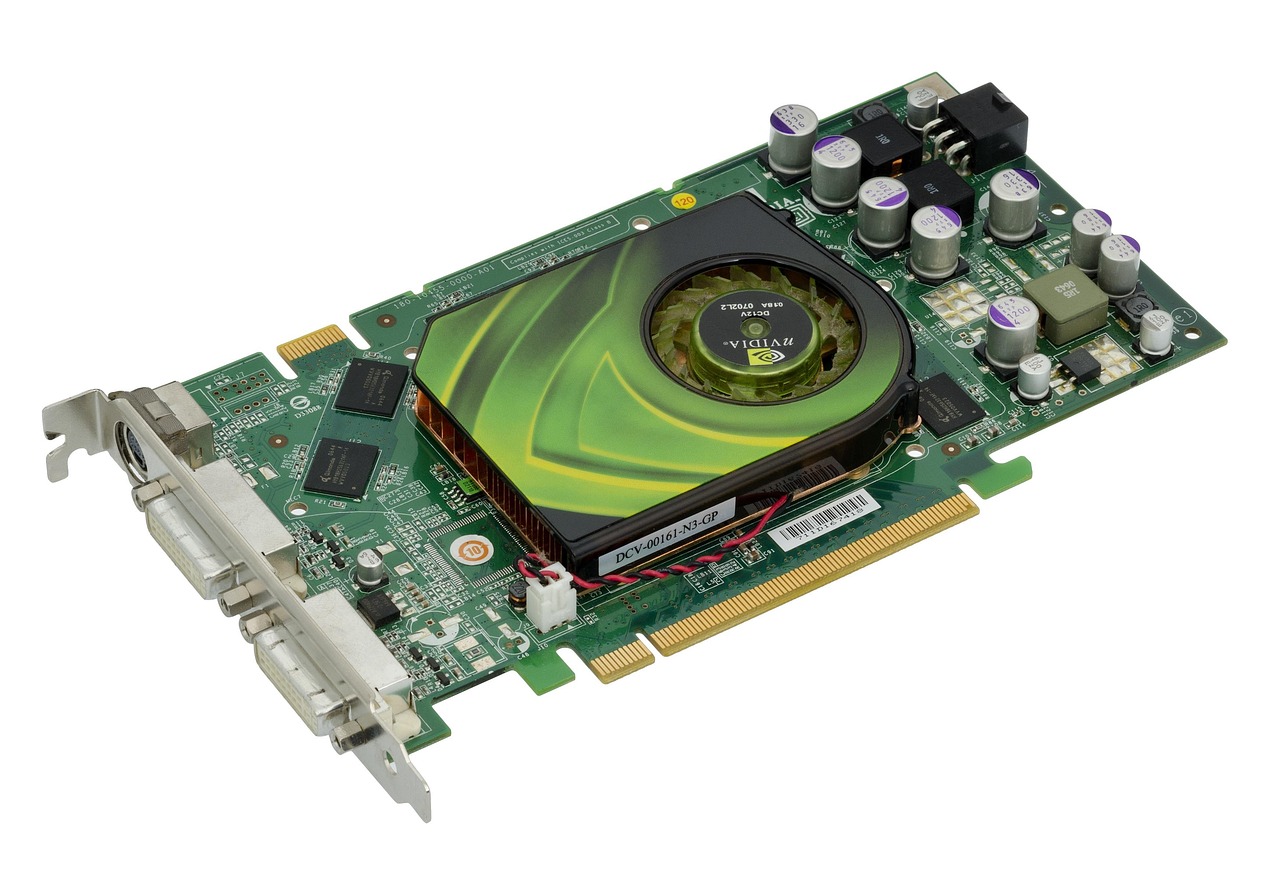
US Opens Door For Nvidia’s AI Chip Sales To China…
The US government has approved the sale of Nvidia’s advanced artificial intelligence processors to China, the Department of Commerce confirmed on Tuesday.

Instagram and TikTok in 2026: Expert reveals key …
Top Social Media Trends in 2026 Taras Tomenchuk highlights that social media evolves faster than content creation habits

9 marketing predictions for 2026 as AI fuels pola…
In 2026, the marketing landscape will see the erosion of stable middle grounds, influenced by the shrinking middle class and the decline of monoculture as audiences increasingly engage with highly personalized algorithm-driven content.

AI and SEO: Ethical Considerations and Best Pract…
The integration of artificial intelligence (AI) into search engine optimization (SEO) strategies is rapidly expanding, bringing new ethical considerations that the marketing industry must address carefully.

Amazon's Investments and Initiatives in AI Infras…
Amazon has announced a major $15 billion investment to build new data center campuses in Northern Indiana, aiming to boost artificial intelligence (AI) infrastructure and innovation in the region.

AI Video Content Moderation Tools Combat Online H…
To improve safety and integrity within online communities, social media platforms are increasingly adopting artificial intelligence (AI) tools specifically designed for video content moderation.
AI Company
Launch your AI-powered team to automate Marketing, Sales & Growth

and get clients on autopilot — from social media and search engines. No ads needed
Begin getting your first leads today

Your News is ready
Your article is ready

Lorem ipsum dolor sit amet consectetur adipisicing elit. Fuga dolor minus maiores. Aut vero expedita dicta, dolorem odit excepturi odio doloremque voluptatem repellat aliquam? Dolores nemo eum id pariatur! Nobis!
Generating video takes longer than text.







