
How AI is Revolutionizing Video Post-Production: Color Grading, Sound Editing, and VFX Automation

Brief news summary
AI technologies are transforming video post-production by automating manual tasks like color grading, sound editing, and visual effects. These AI tools analyze footage to apply precise color corrections, enhance audio quality by reducing imperfections, and generate realistic visual effects efficiently. This automation speeds up production, lowers costs, and frees creative professionals to focus on artistic elements rather than repetitive tasks. AI complements human expertise, improving both quality and workflow efficiency. As AI advances, it will offer more sophisticated editing features, better team collaboration, and predictive analytics to enhance content quality and delivery speed. Overall, AI revolutionizes post-production by enabling faster, cost-effective processes that expand creative possibilities and elevate storytelling.The post-production phase of video production is undergoing a major transformation with the growing adoption of artificial intelligence (AI) technologies. Traditionally a time-consuming and labor-intensive process involving complex tasks like color grading, sound editing, and visual effects (VFX) integration, post-production is now becoming more automated and efficient through AI-driven tools. Color grading—adjusting footage colors and tones to create a desired look—has historically required skilled professionals meticulously analyzing vast visual data. AI solutions can now automatically perform color grading by analyzing content and applying suitable corrections and enhancements. These systems mimic human colorists’ aesthetic preferences and learn from previous projects to enhance their output, saving editors significant time and allowing them to focus on creative decisions that need a human touch. Sound editing also benefits from AI advancements. Tasks such as noise reduction, audio leveling, and sound effect integration are executed more efficiently with AI algorithms that detect and fix audio flaws without sacrificing quality. AI can assist in mixing by balancing levels and improving clarity, traditionally demanding manual effort. This automation lets sound engineers concentrate on creative sound design, enriching the production’s auditory experience. VFX, one of post-production’s most complex and resource-heavy areas, has seen substantial AI-driven improvements.
AI tools automate object tracking, enhance motion capture data, and generate realistic effects like fire, smoke, and explosions with greater accuracy and speed. This reduces workloads for VFX artists and shortens production cycles, benefiting timelines and budgets. The integration of AI across these critical tasks accelerates production schedules and cuts costs by minimizing extensive manual labor and operational expenses. Faster turnaround allows producers to handle more projects or invest time in innovative storytelling. However, industry experts stress that AI complements rather than replaces human expertise; editors, colorists, sound engineers, and VFX artists remain essential for shaping the final product. AI handles repetitive and technical tasks, while human creativity guides the artistic vision—a synergy set to redefine post-production standards. As AI continues to evolve, its applications in video production are expected to expand, potentially including advanced content-aware editing, enhanced real-time collaboration tools leveraging AI insights, and predictive analytics forecasting audience preferences based on editing choices. These future innovations promise to empower creators with increased agility and artistic freedom, enabling higher-quality work. In summary, AI-driven automation in post-production—spanning color grading, sound editing, and VFX—is revolutionizing video production by freeing artists to focus on creative decisions, speeding timelines, and reducing costs. The continued collaboration between human talent and AI tools will shape filmmaking’s future, delivering more compelling, visually striking content to audiences worldwide.
Watch video about
How AI is Revolutionizing Video Post-Production: Color Grading, Sound Editing, and VFX Automation
Try our premium solution and start getting clients — at no cost to you

I'm your Content Creator.
Let’s make a post or video and publish it on any social media — ready?

Content Maker

Last news
The Best for your Business
Hot news

I work in tech sales and use AI every day — but I…
This as-told-to essay is drawn from a conversation with Antoine Wade, a tech sales professional based in San Antonio.

Meta Platforms Announces $10 Billion Investment i…
Meta Platforms Inc.

HVLP Copper Foil Sees Demand Surge; China Acceler…
The global HVLP (Very Low Profile) copper foil market is experiencing significant growth this year, primarily driven by rising demand for AI servers.

The AI processor market explosion
Jon Peddie, founder and president of Jon Peddie Research, was the featured guest on DE 24/7 tech podcaster Kenneth Wong’s show, where he discussed the rapidly expanding AI processor industry and the daily fluctuations within this billion-dollar market.

AI and SEO: Understanding the Synergy Between Tec…
The evolving relationship between artificial intelligence (AI) and search engine optimization (SEO) is profoundly transforming the digital marketing landscape.
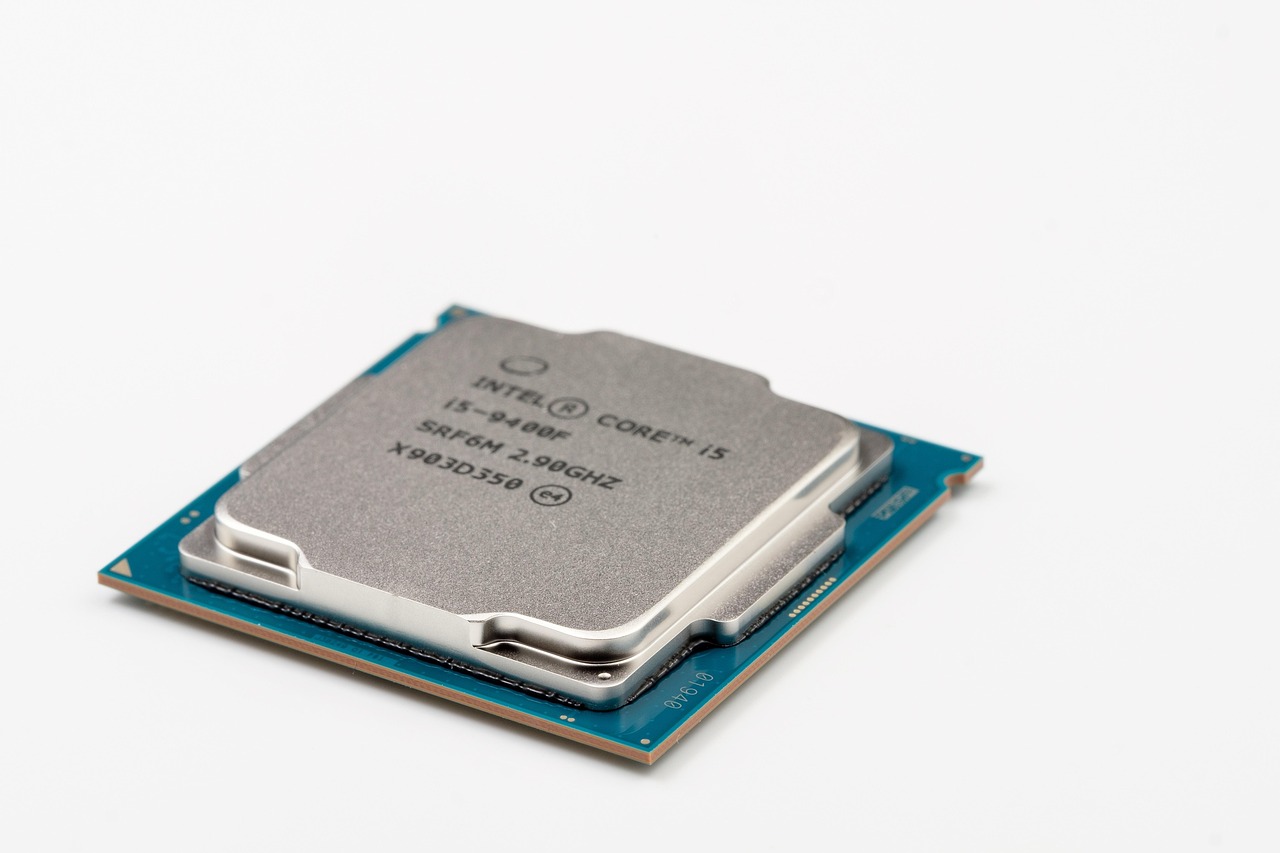
Intel's Leadership Restructuring Amid AI Chip Mar…
Intel Corporation has initiated significant leadership changes and workforce reductions within its foundry operations as part of a broader corporate restructuring aimed at refocusing its business strategy to better address the rapidly evolving artificial intelligence (AI) market.

Why AI might create more marketing jobs, not fewer
The marketing industry faces ongoing concerns that artificial intelligence (AI) will eliminate jobs.
AI Company
Launch your AI-powered team to automate Marketing, Sales & Growth

and get clients on autopilot — from social media and search engines. No ads needed
Begin getting your first leads today

Your News is ready
Your article is ready

Lorem ipsum dolor sit amet consectetur adipisicing elit. Fuga dolor minus maiores. Aut vero expedita dicta, dolorem odit excepturi odio doloremque voluptatem repellat aliquam? Dolores nemo eum id pariatur! Nobis!
Generating video takes longer than text.







