
How AI is Revolutionizing Post-Production in Filmmaking: Enhancing Color Grading, Sound Editing, and VFX
Brief news summary
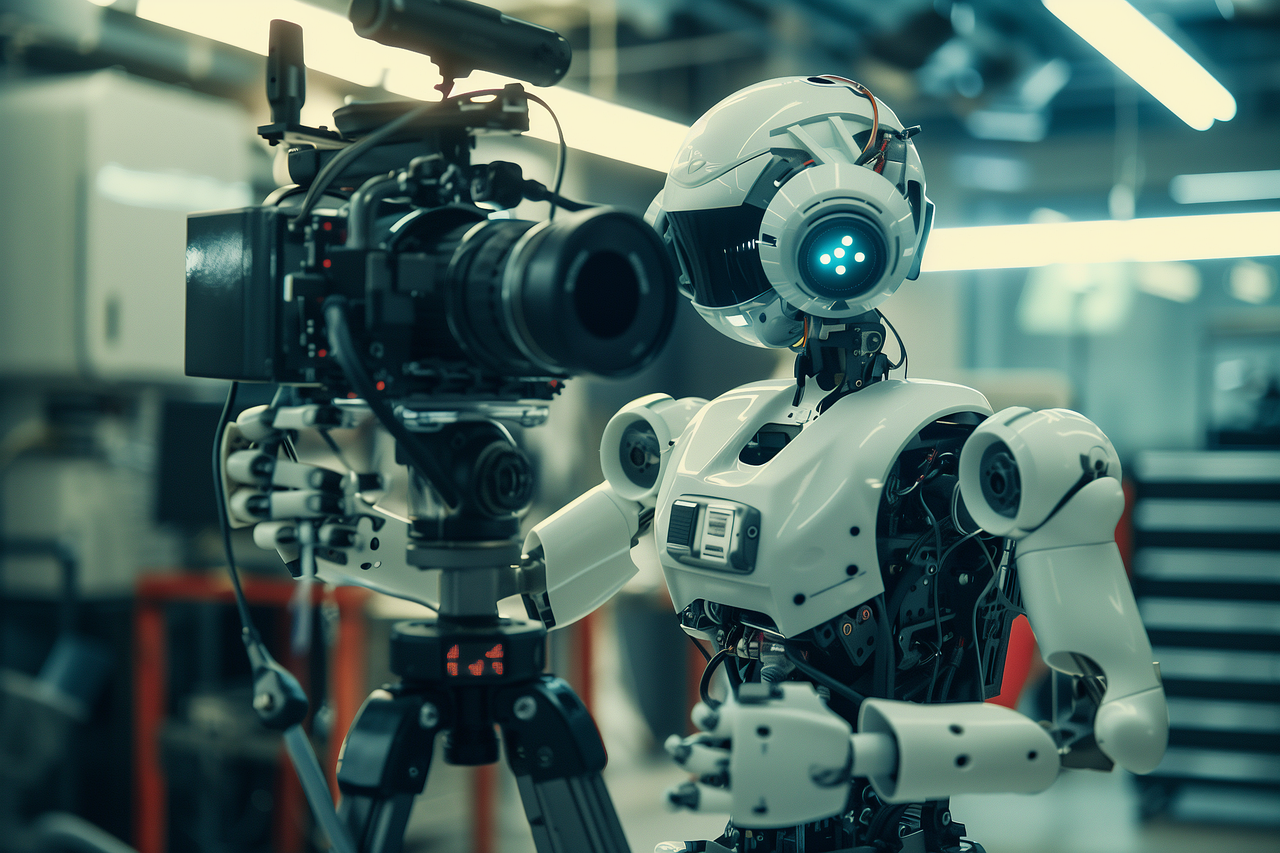
Advanced AI technologies are transforming the post-production phase in filmmaking by automating complex tasks such as color grading, sound editing, and visual effects creation. These AI tools analyze scenes for consistent colors, enhance audio quality by removing noise and balancing sound levels, and generate realistic visual effects, significantly speeding up workflows. This automation shortens production timelines and reduces costs, making high-quality post-production more accessible to smaller studios and independent creators. By streamlining technical work, AI enables professionals to focus more on creative storytelling and explore new techniques. Despite these advancements, human judgment and emotional insight remain crucial, underscoring the need to balance AI automation with artistic vision. As AI skills become essential in industry training, its impact expands beyond film into television, advertising, and digital media, driving ongoing innovation. Overall, AI is revolutionizing post-production into a faster, more innovative, and accessible process that empowers filmmakers while presenting important creative and economic challenges.The post-production phase in filmmaking is experiencing a major transformation due to advanced artificial intelligence (AI) technologies automating complex, time-consuming tasks that previously required specialized expertise. Key processes like color grading, sound editing, and visual effects (VFX) production—crucial to a film's quality and emotional impact—are now being enhanced by AI. Traditionally, color grading involved meticulous manual adjustments by skilled colorists to establish a specific mood or look. AI tools can now analyze scenes and automatically apply color treatments that align with the director’s vision or visual themes, speeding up the process and maintaining visual consistency. Similarly, sound editing benefits significantly from AI, which can identify background noise, sync dialogue, balance audio levels, and add effects to improve storytelling. This automation reduces repetitive labor for audio engineers, allowing them to focus on creative decisions. In VFX, AI-driven methods generate realistic textures, simulate phenomena, and integrate CGI with live-action footage more efficiently, drastically reducing rendering and compositing times and enabling quicker refinements. Overall, AI integration shortens production timelines, accelerating tasks that once took days or weeks without sacrificing quality—a critical advantage in an industry constrained by tight deadlines and budgets.
Beyond efficiency, AI allows filmmakers and post-production professionals to devote more energy to creative aspects, fostering innovation and artistic exploration by automating routine technical work. Nevertheless, the rise of AI prompts important discussions about balancing automation with human creativity. While AI excels at technical tasks, nuanced decision-making and emotional judgment remain uniquely human. Experts advocate for AI as a tool that enhances rather than replaces human skills. Consequently, training and education are evolving to equip professionals with the ability to use AI tools effectively and interpret their outputs, preparing the next generation for a technology-integrated creative landscape. Economically, AI-driven reductions in labor and time can lower production costs, making high-quality post-production more accessible to smaller studios and independent filmmakers, thus democratizing advanced filmmaking capabilities. Additionally, AI’s influence extends beyond film to television, advertising, and digital content, promising further innovations that will optimize workflows, enrich creative potential, and reshape industry standards. In conclusion, artificial intelligence is revolutionizing post-production by automating essential tasks like color grading, sound editing, and visual effects, streamlining workflows, and enabling greater artistic focus. While challenges about integrating AI remain, its overall impact cultivates a more efficient, inventive, and accessible filmmaking environment.
Watch video about
How AI is Revolutionizing Post-Production in Filmmaking: Enhancing Color Grading, Sound Editing, and VFX
Try our premium solution and start getting clients — at no cost to you

I'm your Content Creator.
Let’s make a post or video and publish it on any social media — ready?

Content Maker

Last news
The Best for your Business
Hot news

Ethical Considerations in AI-Driven Marketing
As artificial intelligence (AI) becomes increasingly integrated into marketing, professionals and organizations are emphasizing the need for ethical considerations in deploying and managing these technologies.
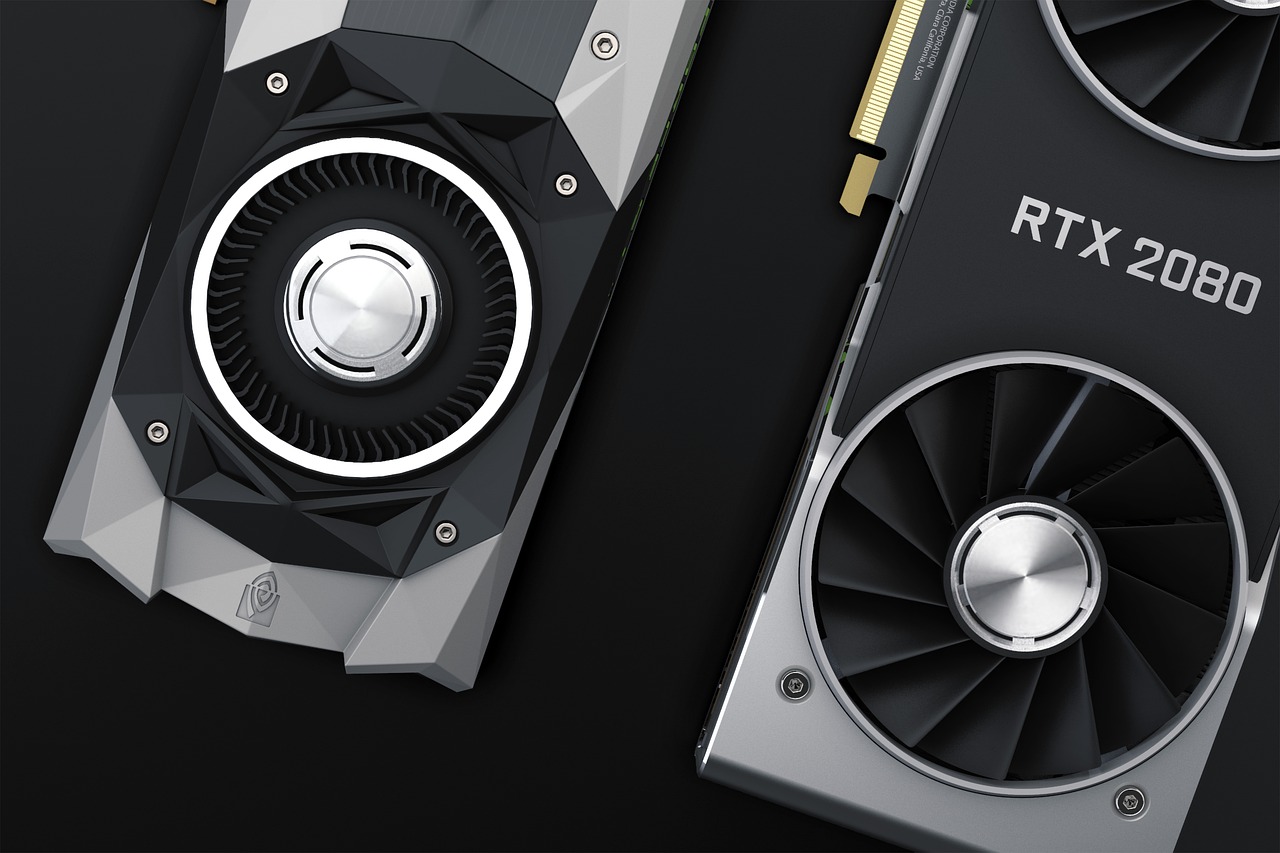
Nvidia's AI Chipset Powers Next-Gen Gaming Consol…
Nvidia has introduced its latest AI chipset, set to become a foundational component in next-generation gaming consoles.
Jason McDonald Consulting Agency Announces New Po…
SEO traditionally explains how companies appear on Google search results, but with the rise of AI answer agents like ChatGPT and Google Gemini, it now also encompasses how these AI systems generate and present answers to consumers.

China clears Nvidia H200 sales to tech giants, re…
China has started cautiously reopening access to Nvidia’s advanced AI processors, granting approvals to a select group of its largest technology companies.

How to Make Your Brand Go Viral: Social Media Gro…
In 2025, the social media landscape is evolving rapidly, dominated by AI-driven algorithms, hyper-personalized content, and short-form videos.

AI-Generated Videos Gain Popularity on Social Med…
The Rise of AI-Generated Videos on Social Media: Creativity, Authenticity, and Regulation In recent years, artificial intelligence (AI) has transformed content creation, especially on social media, where AI-generated videos have surged in popularity

SenseTime and Cambricon Collaborate to Build Next…
Chinese AI leader SenseTime has formed a strategic partnership with semiconductor innovator Cambricon to advance next-generation AI infrastructure.
AI Company
Launch your AI-powered team to automate Marketing, Sales & Growth

and get clients on autopilot — from social media and search engines. No ads needed
Begin getting your first leads today

Your News is ready
Your article is ready

Lorem ipsum dolor sit amet consectetur adipisicing elit. Fuga dolor minus maiores. Aut vero expedita dicta, dolorem odit excepturi odio doloremque voluptatem repellat aliquam? Dolores nemo eum id pariatur! Nobis!
Generating video takes longer than text.







