How Artificial Intelligence is Transforming Film and Television Production
Brief news summary
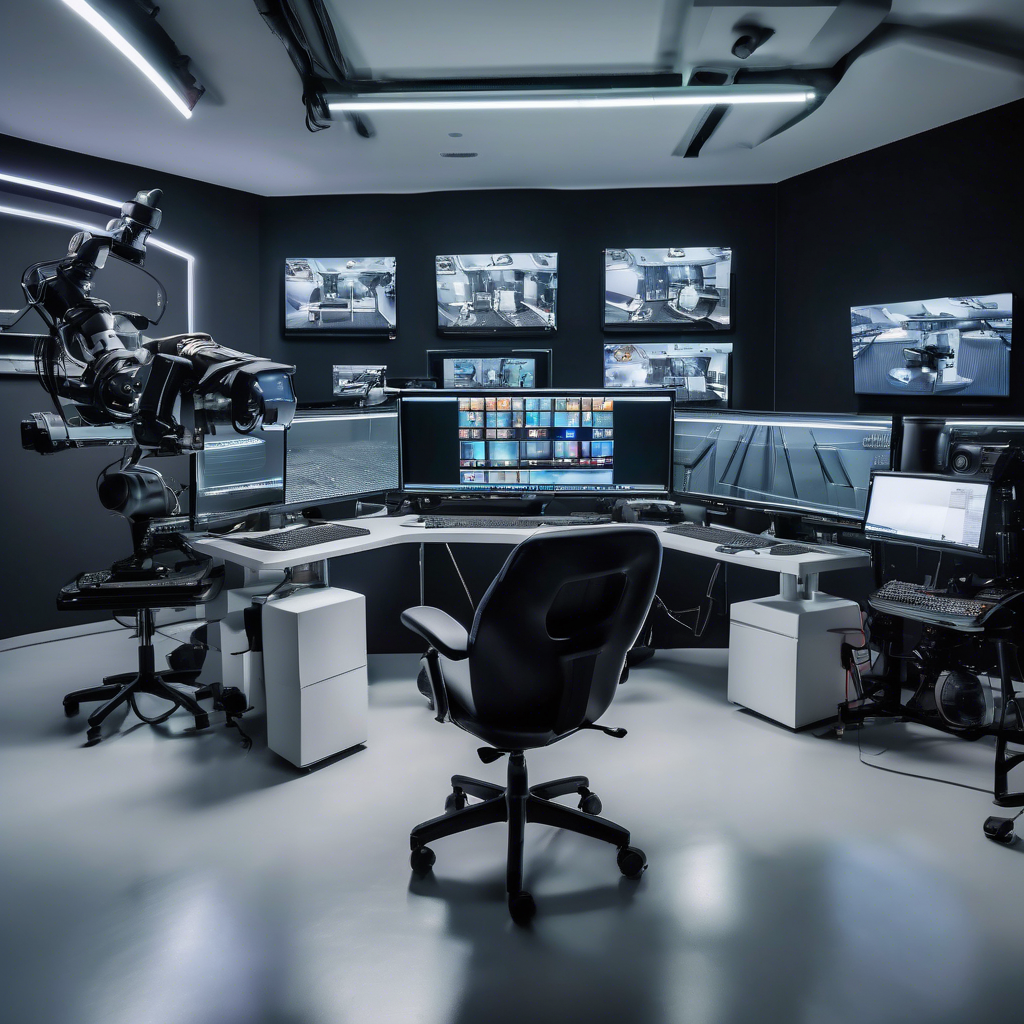
The film and television industry is rapidly adopting artificial intelligence (AI) to transform video production by automating labor-intensive tasks like editing, sound design, and visual effects. AI enhances workflows through advanced footage analysis, scene recognition, audio generation, and visual automation, significantly cutting production time and costs. In post-production, AI refines color grading and audio mixing, improving visual consistency and sound quality. Serving as a complementary tool, AI boosts human creativity, allowing filmmakers to prioritize storytelling and artistic expression. Future innovations may include predictive analytics for scriptwriting, real-time filming feedback, and automated personalized marketing. Challenges persist, such as the need for specialized training, adapting workflows, and addressing ethical issues around creative ownership and job security. Overall, AI is revolutionizing the film and television sector by enhancing efficiency and creativity, heralding a new era in audiovisual storytelling.The film and television industry is rapidly adopting artificial intelligence (AI) technologies to revolutionize video production by automating complex and time-consuming tasks such as video editing, sound design, and visual effects creation. Integrating AI into production workflows enables filmmakers and producers to streamline operations, significantly reduce production times, and cut costs. A key advantage of AI in media production is automating routine, repetitive tasks. Traditionally labor-intensive, video editing now benefits from AI tools that analyze footage, identify key scenes, and create preliminary edits. Using advanced algorithms, these systems recognize patterns, story arcs, and important visual elements, drastically cutting manual work. Consequently, directors and editors can focus more on refining creative vision rather than technical details. Sound design, essential for immersive audiovisual storytelling, also undergoes transformation through AI. AI-assisted sound engineering precisely generates and manipulates audio tracks, automatically adjusting levels, inserting effects, and even composing original music tailored to a scene’s mood and pace. This enhances narrative impact and allows sound designers to experiment with innovative auditory elements previously difficult to realize. Visual effects (VFX) production—a resource-intensive film stage—is becoming more efficient thanks to AI developments. AI algorithms automate complex effect generation, perform realistic simulations, and optimize rendering, enabling faster turnaround of high-quality visuals.
Studios can thus deliver spectacular imagery without compromising schedules or budgets. In post-production, AI tools polish final outputs. Color grading improves as AI analyzes frames to apply consistent corrections, enhancing visual tone and style by learning from existing palettes and styles. Audio mixing also benefits from AI, which detects and corrects inconsistencies, removes background noise, and balances dialogue, music, and effects to complement narrative flow. These enhancements elevate the viewing experience and overall production quality. Industry experts stress that AI does not replace human creativity but empowers it by automating technical tasks, freeing creative professionals to focus on storytelling, character development, and artistic innovation. This synergy between human talent and intelligent technology fosters a new era of audiovisual content where efficiency and creativity coexist harmoniously. Looking ahead, as AI evolves, it is expected to introduce advanced features in film and television production, such as predictive analytics for script development and audience engagement, real-time AI feedback during shooting to optimize performances and scenes, and AI-powered automated marketing tools to tailor promotional content to diverse audiences, enhancing reach and impact. Despite substantial benefits, challenges accompany AI adoption, including the need for technical training, workflow adjustments, and ethical issues related to creative ownership and employment. Addressing these concerns with transparency, ongoing education, and supportive policies will be critical for a sustainable future in which AI enriches the film and television industry. In conclusion, AI incorporation in film and television production is driving a transformative shift that boosts efficiency, lowers costs, and elevates artistic quality. By automating editing, sound design, visual effects, color grading, and audio mixing, AI empowers creators to prioritize innovation and storytelling. As these technologies advance, they promise to redefine audiovisual storytelling and herald a new chapter in entertainment history.
Watch video about
How Artificial Intelligence is Transforming Film and Television Production
Try our premium solution and start getting clients — at no cost to you