
How Artificial Intelligence is Revolutionizing Video Production in the Entertainment Industry
Brief news summary
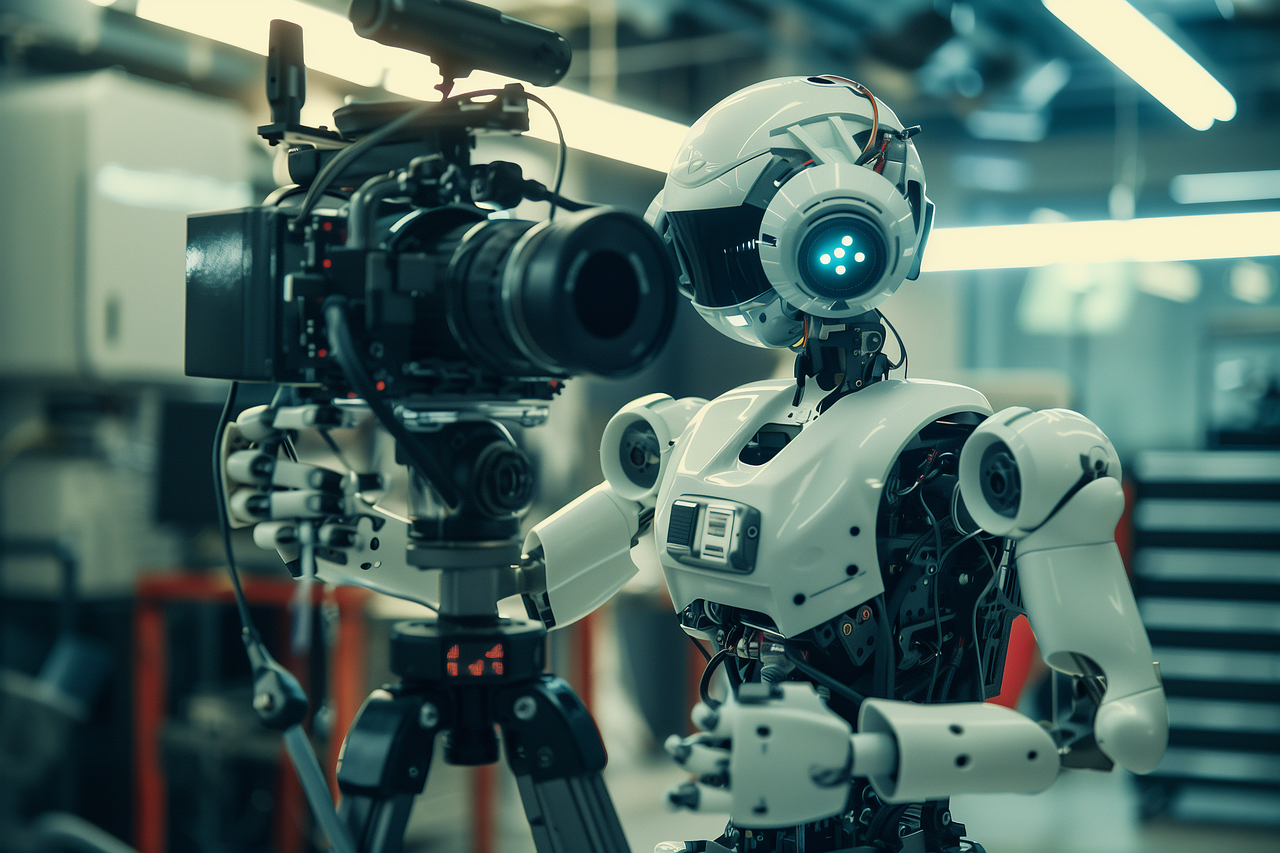
Artificial intelligence (AI) is revolutionizing the entertainment industry by improving video production processes, reducing costs, and enhancing efficiency. In scriptwriting, AI tools analyze story elements to predict audience engagement, helping creators refine their narratives. For casting, AI evaluates actors’ past roles and traits to optimize selections and minimize bias. Post-production benefits from automation in tasks such as scene selection, color correction, and pacing, speeding up workflows and cutting expenses. These innovations enable quicker delivery of high-quality content, meeting the increasing demand from streaming platforms and global audiences. Advances in machine learning, natural language processing, and computer vision will further develop AI tools that foster creative collaboration, allowing professionals to concentrate more on storytelling instead of routine tasks. Overall, AI’s expanding role presents valuable opportunities for ongoing innovation in entertainment.Artificial intelligence is transforming the entertainment industry by streamlining video production workflows, significantly cutting costs, and boosting overall efficiency. Integrating AI technologies into various stages of video production is reshaping traditional methods and opening new avenues for innovation. One key area where AI exerts influence is scriptwriting. Advanced AI algorithms analyze scripts by examining elements like story structure, character development, and genre conventions. This enables AI to anticipate audience reactions and engagement, offering invaluable insights to writers and production companies. By recognizing which components resonate with viewers, creators can refine their scripts to enhance storytelling quality and improve their chances of success. Casting also benefits greatly from AI applications. Traditionally subjective and reliant on the intuition and experience of casting directors, casting decisions can now be aided by AI-powered tools that assess actors’ past performances across various media. These tools identify suitable performers for specific roles based on factors such as emotional range, popularity, and audience appeal. This data-driven method optimizes casting choices, increasing the likelihood of a production’s success. Post-production editing, often time-consuming and labor-intensive, is another area transformed by AI.
Many routine tasks can be automated, with AI software swiftly selecting the best scenes, managing color correction, and suggesting edits to improve pacing and narrative flow based on established best practices. This automation shortens post-production timelines, reduces required manpower, lowers costs, and speeds up content release. Together, these AI-driven improvements enable production companies to deliver high-quality content more quickly and cost-effectively—an essential advantage in an industry characterized by rapid content turnover and rising demand from streaming platforms and global audiences. Looking ahead, AI’s role in video production is poised to grow even further. Continued progress in machine learning, natural language processing, and computer vision promises increasingly sophisticated tools capable of handling complex creative tasks. This development is expected to foster greater innovation, empowering filmmakers and content creators to push creative boundaries while enhancing efficiency. Additionally, AI technologies are anticipated to enhance collaboration between humans and machines. Rather than replacing creative professionals, AI will serve as an intelligent assistant, offering data-driven insights and managing repetitive processes, thus allowing human talent to concentrate on creativity and storytelling. For a more detailed examination of artificial intelligence’s impact on video production, Variety has published an in-depth article outlining current uses and future prospects. This resource provides valuable insights into how AI is revolutionizing the entertainment landscape and shaping the way stories come to life on screen.
Watch video about
How Artificial Intelligence is Revolutionizing Video Production in the Entertainment Industry
Try our premium solution and start getting clients — at no cost to you

I'm your Content Creator.
Let’s make a post or video and publish it on any social media — ready?

Content Maker

Last news
The Best for your Business
Hot news

Caterpillar gets a big AI sales boost as tariffs …
In this article: By Abhinav Parmar and Nathan Gomes Jan 29 (Reuters) - Caterpillar's fourth-quarter results reflected trends in the global economy, with sales driven by a surge in artificial intelligence-related spending, even as the equipment giant warned investors of a tariff impact exceeding $2 billion in the upcoming year

AI marketing is driving me to distraction
For years, retailers have behaved like needy friends, sending emails that ping my phone with messages like, “Hi there! We’ve missed you.” Initially, these felt warm and personal, often signed by “Emma” or “Olivia” from marketing—actual people reaching out with enthusiastic goodwill.

The Future of Legal Marketing: AI, SEO, and Clien…
The future of legal marketing will be shaped not by firms with the biggest ad budgets, but by those delivering the most value to clients online.

Ding Linwei convicted of stealing Google AI secre…
Former Google software engineer Ding Linwei was convicted by a federal jury in San Francisco on Thursday for stealing AI trade secrets from the US tech giant to benefit two Chinese companies he secretly worked for, the US Department of Justice announced on the same day.

TPS news rundown for Jan. 30 has truck sales, for…
Lucas: Hey everyone, Lucas here with today’s TPS Weekly News Roundup.

AI Video Compression Techniques Enhance Streaming…
In the fast-changing world of digital entertainment, streaming services are increasingly leveraging artificial intelligence to improve both the quality and efficiency of video delivery.

China Nonferrous to Acquire Brazilian Tin Miner A…
A subsidiary of China Nonferrous Mining Group has agreed to acquire shares in Brazilian tin producer Mineração Taboca, marking a strategic move amid growing demand for metals driven by technological advancements.
AI Company
Launch your AI-powered team to automate Marketing, Sales & Growth

and get clients on autopilot — from social media and search engines. No ads needed
Begin getting your first leads today

Your News is ready
Your article is ready

Lorem ipsum dolor sit amet consectetur adipisicing elit. Fuga dolor minus maiores. Aut vero expedita dicta, dolorem odit excepturi odio doloremque voluptatem repellat aliquam? Dolores nemo eum id pariatur! Nobis!
Generating video takes longer than text.







