
AI in Video Surveillance: Enhancing Security While Protecting Privacy

Brief news summary
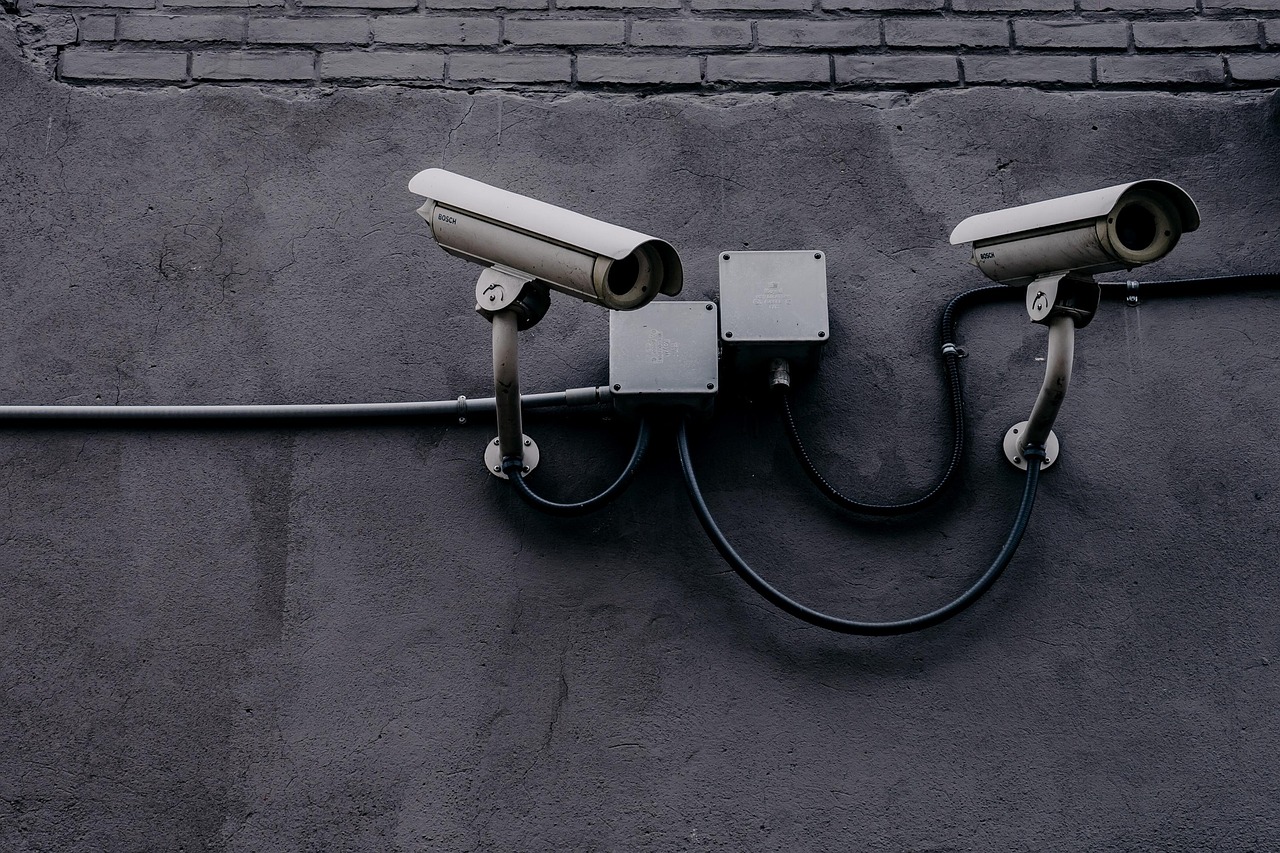
The integration of artificial intelligence (AI) into video surveillance represents a significant leap in security technology, enabling real-time and accurate threat detection across extensive video data. AI-powered systems enhance public safety and operational efficiency by swiftly identifying potential threats, improving crime prevention efforts. However, this advancement raises serious privacy and data protection concerns. Continuous monitoring risks the misuse of personal information, sparking debates among civil rights advocates, legal experts, and the public about data access, storage, and unauthorized usage. Addressing these challenges requires robust oversight, transparent governance, and clear regulatory frameworks to ensure ethical implementation. Concerns about discrimination and unaccountable mass surveillance have intensified calls for strict regulations, including independent audits, impact assessments, and public participation. Furthermore, international cooperation is vital to harmonize legal standards and safeguard human rights globally. In summary, while AI-enhanced surveillance delivers significant benefits for security, responsible management is crucial to preserve individual freedoms and maintain public trust.The incorporation of artificial intelligence (AI) into video surveillance systems signifies a major leap forward in security monitoring. This advancement allows for more efficient observation and faster threat detection, greatly enhancing both public safety and operational efficiency. AI-powered surveillance can process vast amounts of video data in real-time, detecting unusual activities, potential security breaches, or specific objects with a speed and accuracy that far exceed traditional manual monitoring. However, despite these clear advantages, the use of AI in video surveillance has also ignited extensive debate over balancing enhanced security with the protection of individual privacy rights. The ability of AI to continuously monitor both public and private spaces raises significant concerns about pervasive surveillance, data protection, and potential misuse of personal information. These issues have become central to discussions among civil rights advocates, legal experts, and the general public. Since AI surveillance systems collect, store, and process enormous volumes of data, questions arise regarding oversight and governance. Critical concerns include who can access recorded footage, how long data is retained, and the safeguards in place to prevent unauthorized use, all essential for maintaining public trust. Moreover, the risk that AI-driven tools could be used discriminatorily or facilitate mass monitoring without sufficient transparency has intensified calls for strict regulatory measures. In response, policymakers across various government levels are actively exploring regulations to address privacy issues while still capitalizing on AI’s benefits.
These efforts focus on setting clear guidelines for data collection, enforcing robust security standards, restricting how surveillance data is utilized, and ensuring accountability through oversight mechanisms. Legislative discussions also encompass the ethical dimensions of AI surveillance, promoting transparency about system operations, and including public participation in decision-making. Proposed measures include independent audits of AI surveillance systems, mandatory impact assessments before deployment, and establishing complaint and redress options for those adversely affected. Additionally, international cooperation and the sharing of best practices are becoming vital in formulating effective AI surveillance policies. Because AI technology transcends national borders, harmonizing standards can help close regulatory gaps, enhance global security collaboration, and universally uphold human rights. This ongoing debate highlights the complexities involved in integrating advanced technology within societal frameworks that respect both security needs and fundamental privacy rights. While AI-enabled surveillance significantly aids crime prevention, emergency response, and safety management, it is imperative that these gains do not erode civil liberties. In summary, merging AI with video surveillance offers a powerful tool for modern security by delivering unparalleled efficiency and threat detection. Simultaneously, it provokes essential discussions about ethical technology use, safeguarding individual freedoms, and the importance of prudent regulation. Moving forward, careful policymaking combined with active public engagement will be critical to achieving a fair balance, allowing society to benefit from AI surveillance without compromising privacy and trust.
Watch video about
AI in Video Surveillance: Enhancing Security While Protecting Privacy
Try our premium solution and start getting clients — at no cost to you

I'm your Content Creator.
Let’s make a post or video and publish it on any social media — ready?

Content Maker

Last news
The Best for your Business
Hot news

5 Cultural Attributes That Could Make or Break Yo…
Summary and Rewrite of “The Gist” on AI Transformation and Organizational Culture AI transformation poses primarily a cultural challenge rather than a purely technological one

AI Sales Agent: Top 5 Future Sales Boosters of 20…
The ultimate aim of businesses is to expand sales, but stiff competition can impede this goal.

AI and SEO: A Perfect Match for Enhanced Online V…
The incorporation of artificial intelligence (AI) into search engine optimization (SEO) strategies is fundamentally transforming how businesses improve their online visibility and attract organic traffic.
Deepfake Technology Advances: Implications for Me…
Deepfake technology has made significant strides recently, producing highly realistic manipulated videos that convincingly portray individuals doing or saying things they never actually did.

Nvidia's Open Source AI Push: Acquisition and New…
Nvidia has announced a significant expansion of its open source initiatives, signaling a strategic commitment to supporting and advancing the open source ecosystem in high-performance computing (HPC) and artificial intelligence (AI).

N.Y. Gov. Kathy Hochul signs sweeping AI safety b…
On December 19, 2025, New York Governor Kathy Hochul signed the Responsible Artificial Intelligence Safety and Ethics (RAISE) Act into law, marking a significant milestone in the state’s regulation of advanced AI technologies.

Stripe launches Agentic Commerce Suite for AI sal…
Stripe, the programmable financial services firm, has introduced the Agentic Commerce Suite, a new solution aimed at enabling businesses to sell through multiple AI agents.
AI Company
Launch your AI-powered team to automate Marketing, Sales & Growth

and get clients on autopilot — from social media and search engines. No ads needed
Begin getting your first leads today

Your News is ready
Your article is ready

Lorem ipsum dolor sit amet consectetur adipisicing elit. Fuga dolor minus maiores. Aut vero expedita dicta, dolorem odit excepturi odio doloremque voluptatem repellat aliquam? Dolores nemo eum id pariatur! Nobis!
Generating video takes longer than text.







