

This is the third installment in a six-part series examining the impact of AI on medical research and treatments. Audra Moran, head of the Ovarian Cancer Research Alliance, emphasizes that ovarian cancer is "rare, underfunded, and deadly. " Early detection is crucial, but ovarian cancer usually starts in the fallopian tubes, often spreading before symptoms arise. AI-powered blood tests are emerging to detect such cancers in their early stages, potentially saving lives. Dr. Daniel Heller from Memorial Sloan Kettering Cancer Center is developing technology using carbon nanotubes to identify cancer-specific patterns in blood samples. While these patterns are too subtle for humans to discern, AI algorithms can interpret them by learning from data. The challenge is the rarity of ovarian cancer, leading to limited data for AI training. Despite this, initial AI efforts have surpassed existing cancer biomarkers in accuracy. Heller aims to create a tool for diagnosing gynecological diseases more rapidly, which might be feasible in three to five years. AI is also streamlining other blood tests.
For instance, Karius in California uses AI to quickly identify pneumonia pathogens, significantly reducing testing costs and time. Their approach, which compares patient samples with a vast microbial DNA database, is only possible due to AI. However, understanding AI’s connections between biomarkers and diseases remains a mystery. Dr. Slavé Petrovski's AI platform Milton identifies diseases using biomarkers with high success, demonstrating AI's ability to discern complex patterns. Sharing and accessing data remains a challenge, yet organizations like Ocra are working to create patient registries to enhance AI training. As Moran notes, AI in medical research is still in its early, evolving stages.
AI Transforming Ovarian Cancer Detection and Medical Research




Google’s AI Overviews feature has experienced remarkable growth, now appearing in over half of all search results.

SecureAI Technologies has launched an innovative cybersecurity system that uses advanced machine learning algorithms to detect and counter cyber threats in real time.

The rising influence of artificial intelligence (AI) defined 2025, with the MarTech sector reflecting this trend as B2B marketers increasingly integrated AI into their workflows.

Holiday shopping has often felt like a “chore” for Amrita Bhasin, a 24-year-old retail tech CEO.

Fallout’s season one recap incorrectly claimed that The Ghoul’s flashback occurs in the 1950s, when in fact it takes place in the year 2077.

OpenAI is set to launch GPT-5, the newest advancement in its language model series, in early 2026.
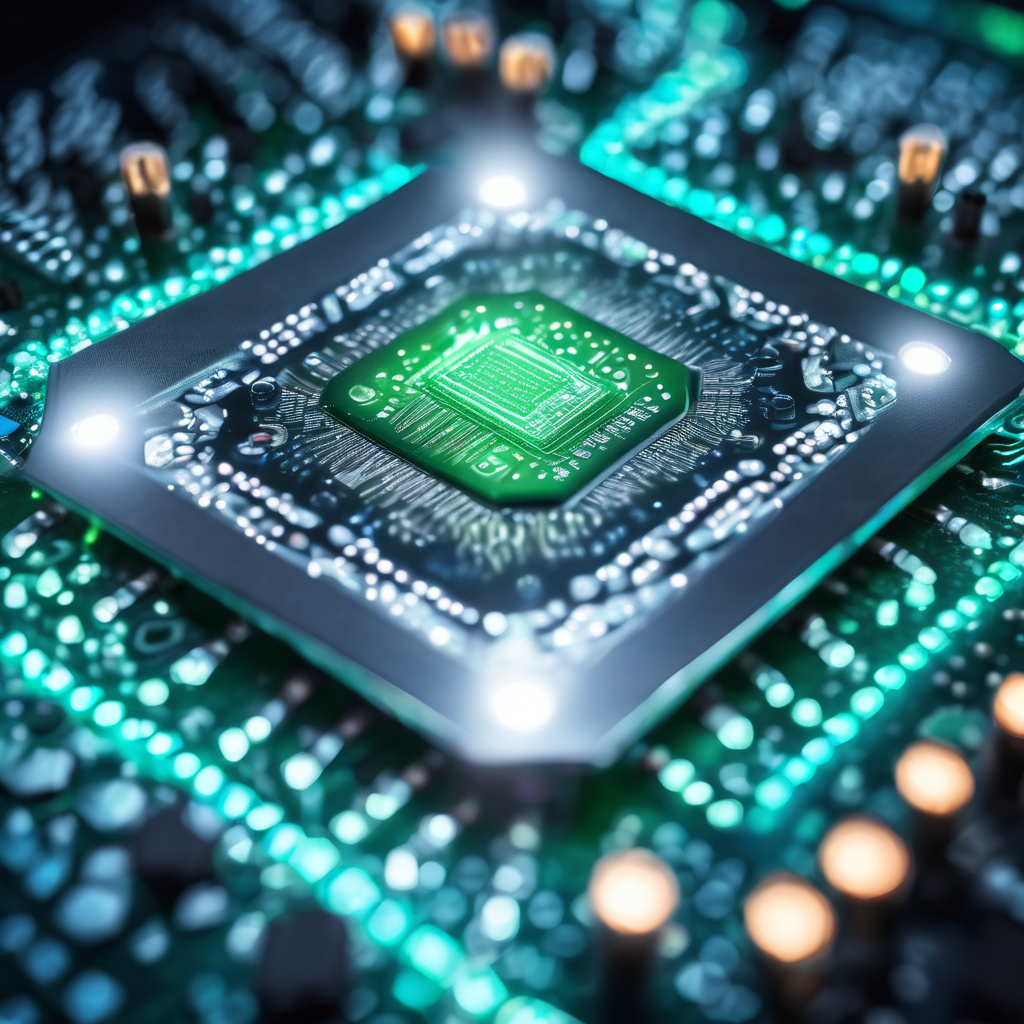
U.S. President Donald Trump’s decision to sell advanced AI chips, including Nvidia’s H200, to China has alarmed hawks in Washington.
Launch your AI-powered team to automate Marketing, Sales & Growth

and get clients on autopilot — from social media and search engines. No ads needed
Begin getting your first leads today


Lorem ipsum dolor sit amet consectetur adipisicing elit. Fuga dolor minus maiores. Aut vero expedita dicta, dolorem odit excepturi odio doloremque voluptatem repellat aliquam? Dolores nemo eum id pariatur! Nobis!

Create your own avatar to work for you — completely free of charge!
Sign up with Google


We've sent a confirmation email to
Please check your inbox and click the link to complete your registration
Didn’t receive it? Check your Spam or Promotions folder
and get clients without any advertising investment!

Create and publish viral social media content on autopilot



AI sales managers work 24/7, with no need for sleep, food, or breaks, and speak all languages.
You have unsubscribed from the mailing list recklessly but successfully.
We are not saying goodbye and look forward to seeing you again.