How AI is Revolutionizing Video Editing: Enhancing Creativity and Efficiency
Brief news summary
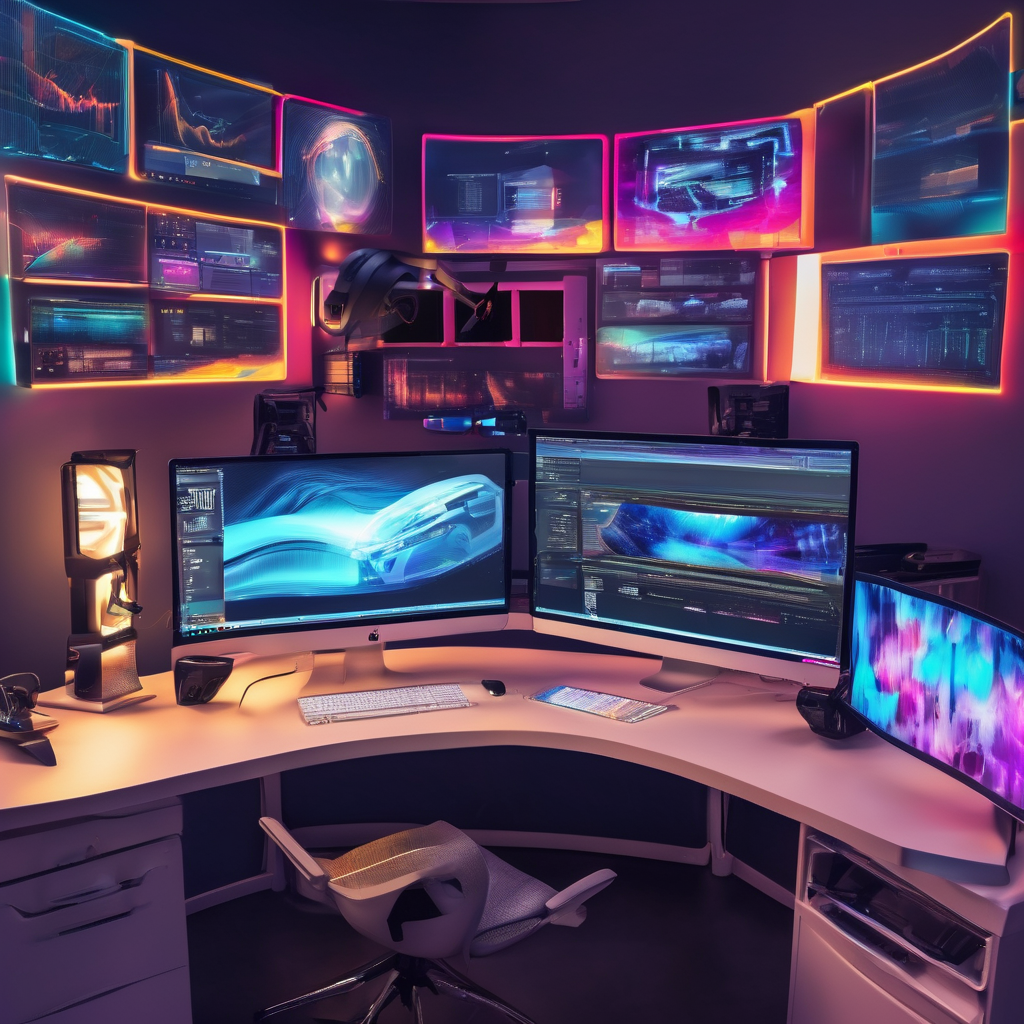
Artificial intelligence (AI) has revolutionized video editing by automating complex, time-consuming tasks that previously required specialized skills. Tools like Adobe Sensei and Magisto leverage AI algorithms to streamline production, reduce costs, and enhance video quality. Key automated features include frame-by-frame color correction for consistent and vibrant visuals, AI-driven smooth scene transitions to improve storytelling, and audio enhancements such as noise reduction and synchronization to boost sound quality. By managing these technical aspects, AI allows creators to concentrate on creativity, accelerates the editing process, and encourages innovative content. Looking ahead, AI may provide real-time editing suggestions and personalized recommendations, making high-quality video production more accessible and democratizing the field. Overall, AI integration greatly enhances efficiency and artistic potential in video editing worldwide.In recent years, artificial intelligence has made remarkable progress in video editing, fundamentally changing how content creators approach their craft. Technologies like Adobe Sensei and Magisto utilize AI algorithms to automate many complex and time-intensive tasks previously done manually by editors. By incorporating these intelligent tools into their workflows, creators can greatly streamline production, lower costs, and improve the overall quality of their videos. One key advantage of AI in video editing is its capacity for automated color correction. Maintaining a consistent and visually pleasing color scheme throughout a video has traditionally been a meticulous process demanding expert skills and attention to detail. AI-powered algorithms analyze each frame to adjust lighting, contrast, and color balance, enhancing the footage’s vibrancy and polish without extensive manual effort. This not only saves significant time but also ensures a professional finish that aligns with the desired mood and aesthetic. Scene transitions, which are vital for preserving narrative flow and pacing, represent another area transformed by AI. Sophisticated machine learning models can accurately detect scene changes and suggest or implement smooth transitions that match the video’s style and tone. This eliminates guesswork and manual adjustments, allowing editors to keep viewers engaged and create a seamless storytelling experience. Whether it’s a subtle fade, a sharp cut, or a creative wipe, AI-driven transitions elevate storytelling while maintaining focus on the content. Additionally, AI enhances audio quality, a crucial element of immersive video.
Poor sound can distract or disengage audiences, reducing a video’s impact. AI tools offer noise reduction, audio leveling, and automatic synchronization of audio tracks with video, ensuring clear sound and balanced levels. These improvements lessen the need for specialized audio engineering expertise, enabling creators to produce rich soundscapes that complement their visuals. The integration of AI in video editing has unlocked new opportunities for both amateur and professional creators. By automating technically challenging tasks, AI frees storytellers to concentrate more on creativity. This shift accelerates production timelines and encourages experimentation with innovative storytelling methods without being hindered by technical barriers. Industry experts anticipate that AI’s role in video editing will continue to grow, with future advancements including more advanced content analysis, real-time editing suggestions, and personalized recommendations tailored to specific audiences or platforms. As these technologies develop, they hold the promise of further democratizing video production, making high-quality content creation accessible to a broader spectrum of creators across diverse industries. In summary, AI-driven advancements in video editing represent a major leap forward for the creative community. Tools like Adobe Sensei and Magisto showcase the potential of artificial intelligence to reshape traditional editing processes by automating labor-intensive tasks such as color correction, scene transitions, and audio enhancement. This transformation not only speeds up production but also elevates the quality and creativity of video content, heralding an exciting new era for creators worldwide.
Watch video about
How AI is Revolutionizing Video Editing: Enhancing Creativity and Efficiency
Try our premium solution and start getting clients — at no cost to you