
How AI Video Analytics is Revolutionizing Sports Broadcasting

Brief news summary
Sports broadcasters are increasingly leveraging artificial intelligence (AI) video analytics to revolutionize the way sports events are presented and experienced. AI delves into game footage to provide comprehensive statistics and insights on player performance, team strategies, and game dynamics. It identifies key moments like crucial plays and turning points, enhancing storytelling and broadcast flow with minimal human input. By utilizing historical data, AI can predict future plays, enriching commentary and engaging viewers more effectively. For broadcasters, AI automates highlight selection and customizes productions based on analytics, blending technology with creativity for superior content. Advanced tools such as real-time 3D visualization, virtual and augmented reality, and interactive features further propel innovation. Additionally, AI-driven data supports enhanced fan engagement, targeted marketing, and personalized content delivery. In sum, AI video analytics are transforming sports broadcasting into a more interactive, informative, immersive, and efficient experience.Sports broadcasters are increasingly leveraging artificial intelligence (AI) video analytics to transform how sports events are presented and experienced by audiences. This advanced technology allows broadcasters to analyze game footage more thoroughly, uncovering insights that surpass traditional statistics and commentary. AI algorithms meticulously examine every moment of a match, producing sophisticated statistics that were previously difficult or impossible to generate in real time. These enhanced metrics offer a deeper understanding of player performance, team tactics, and overall game dynamics, raising the analytical depth available to viewers. Beyond mere numbers, AI-driven systems can detect and showcase key moments throughout a game, including crucial plays, turning points, and exceptional individual performances. This ability not only sharpens broadcast pacing by focusing on the most significant segments but also enriches storytelling, creating a more engaging experience for viewers. By automatically pinpointing these important events, broadcasters can provide more targeted and compelling content without extensive manual editing. One of the most promising uses of AI in sports broadcasting is its capacity to predict upcoming plays. By learning from extensive datasets of past games and player behavior, AI models can forecast likely outcomes and strategies. This predictive analysis introduces a new layer to broadcasts, enabling commentators to discuss potential scenarios and tactical choices, thereby deepening the audience’s understanding and enjoyment of the game. The integration of AI benefits not only viewers but also broadcasters themselves. Content production becomes more efficient as AI facilitates the selection and assembly of highlights, summaries, and post-game analyses.
Decision-making about which content to showcase and how to present it is aided by AI-generated insights, allowing broadcasters to customize their productions according to audience preferences and trends. This collaboration between human creativity and AI analytics yields higher-quality broadcasts that resonate more strongly with fans. As AI technology advances, its role in sports broadcasting is expected to become increasingly sophisticated. Emerging innovations such as real-time 3D visualization, enhanced virtual and augmented reality experiences, and more refined predictive models will further revolutionize how sports content is produced and consumed. Future broadcasts might immerse viewers in interactive environments where they can explore different perspectives, simulate strategies, and engage with the game on a more personal level. Additionally, data collected and analyzed via AI can create new opportunities for fan interaction, marketing, and sponsorship. Personalized content suggestions, interactive statistical dashboards, and gamified viewing experiences are just some ways AI may shape the future of sports media. Broadcasters that embrace and adapt to these technologies are likely to gain a competitive advantage by delivering innovative and highly engaging content. In summary, the use of AI video analytics in sports broadcasting represents a major advancement for the industry. By offering deeper insights, spotlighting pivotal moments, forecasting future plays, and streamlining content creation, AI enhances the fan viewing experience while improving broadcaster efficiency. As this technology evolves, it promises to redefine sports presentation and enjoyment, ushering in an era of interactive, informative, and immersive sports media.
Watch video about
How AI Video Analytics is Revolutionizing Sports Broadcasting
Try our premium solution and start getting clients — at no cost to you

I'm your Content Creator.
Let’s make a post or video and publish it on any social media — ready?

Content Maker

Last news
The Best for your Business
Hot news
Nvidia's AI Chipsets Power Next-Generation Gaming…
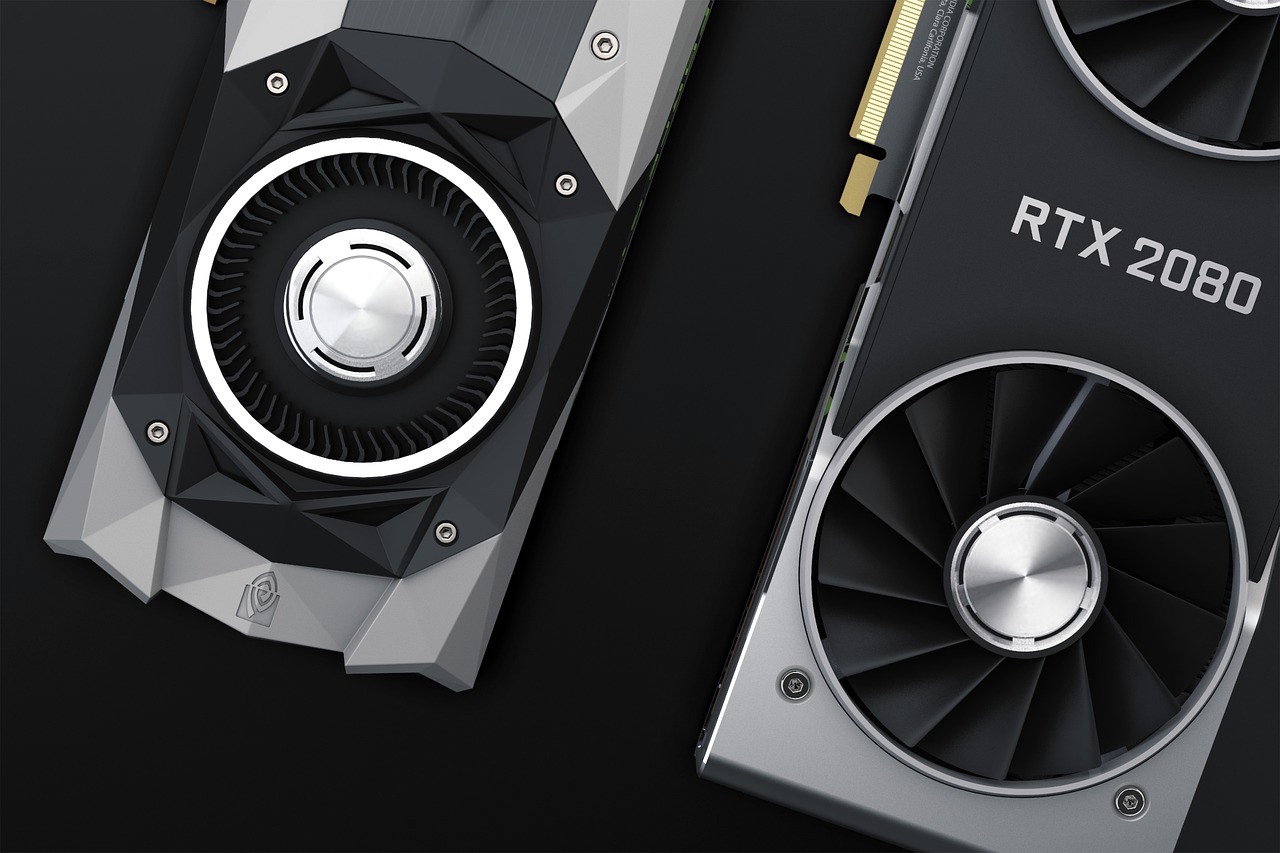
Nvidia has revealed its latest series of artificial intelligence chipsets, specially designed to transform the upcoming generation of gaming consoles.

AI Agents Upend Sales: From Pitch Decks to Autono…
The future of sales is rapidly evolving from manual pitch preparation and data analysis to seamless collaboration with autonomous AI systems that outperform human teams in speed and efficiency.

AI-Driven Social Media Management: Enhancing Bran…
The recent report, supported by the Oxford Research Centre in the Humanities (TORCH) and the Minderoo-Oxford Challenge Fund in AI Governance, provides a thorough examination of artificial intelligence’s transformative effects on the news industry and the wider information ecosystem.

Leveraging AI for Advanced SEO Strategies
In today’s fast-changing digital marketing landscape, staying ahead of competitors demands innovative strategies, especially in search engine optimization (SEO).

Skai Launches Celeste AI for Commerce Marketers
Skai has unveiled Celeste AI, a cutting-edge generative AI agent designed to empower commerce marketers by integrating retail and media functions for streamlined campaign creation and execution.

Pollo AI's News Video Generator Creates Professio…
Pollo AI has launched an innovative AI News Video Generator that is set to revolutionize the creation and distribution of news content.

DTC SEO Agency Expands Ecommerce Search Offering …
AUSTIN, Texas, Jan.
AI Company
Launch your AI-powered team to automate Marketing, Sales & Growth

and get clients on autopilot — from social media and search engines. No ads needed
Begin getting your first leads today

Your News is ready
Your article is ready

Lorem ipsum dolor sit amet consectetur adipisicing elit. Fuga dolor minus maiores. Aut vero expedita dicta, dolorem odit excepturi odio doloremque voluptatem repellat aliquam? Dolores nemo eum id pariatur! Nobis!
Generating video takes longer than text.







