AI Video Generation Revolutionizing Filmmaking: Creative Freedom and Industry Challenges

Brief news summary
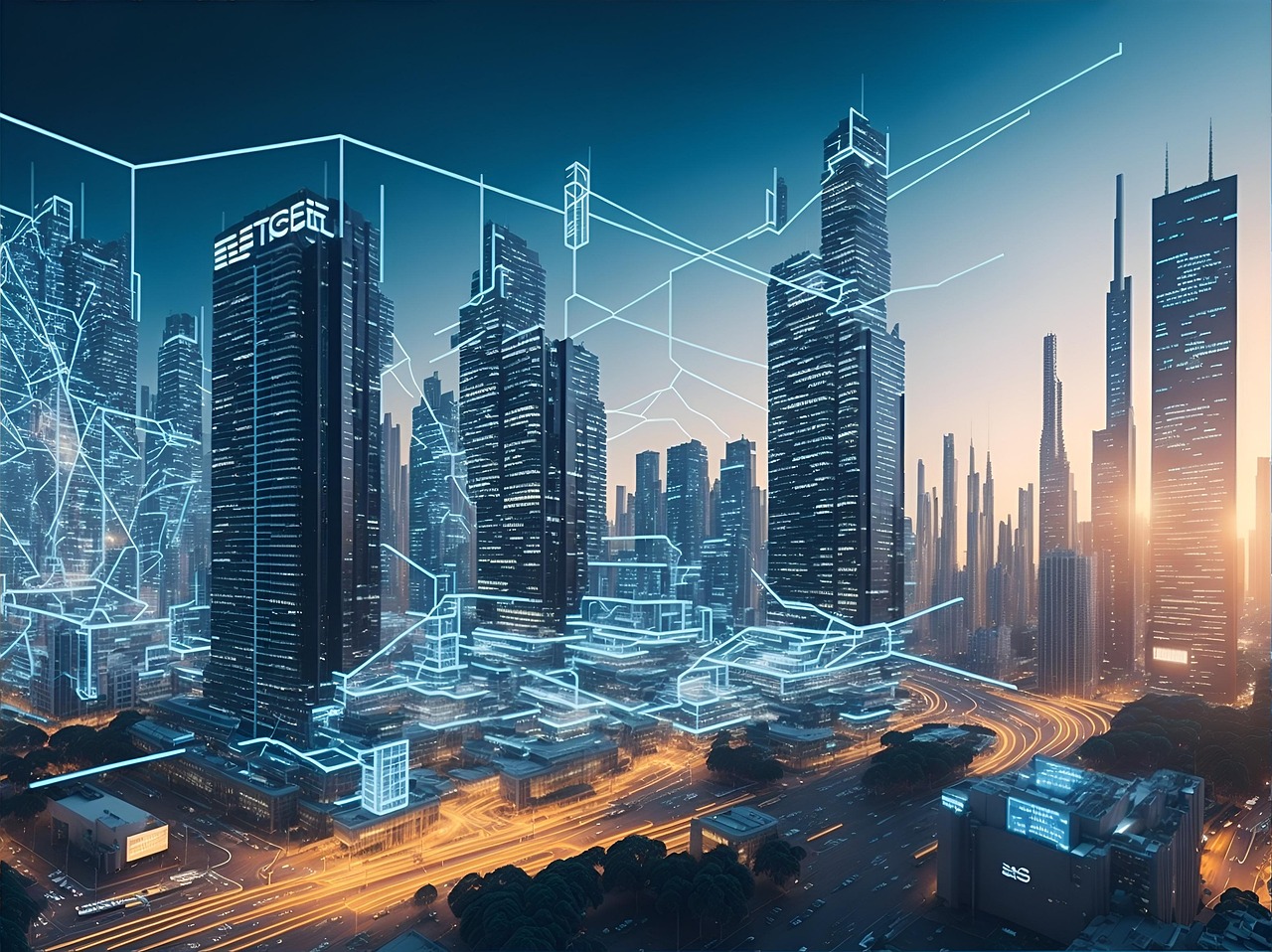
AI video generation technology is transforming filmmaking by allowing creators to produce realistic visual effects and full scenes without traditional filming. Using deep learning and vast data, AI simulates complex environments and animations, cutting time and costs while expanding creative possibilities. This tech frees filmmakers from physical set constraints, benefiting independent creators and smaller studios by democratizing high-quality production. However, it raises concerns about job loss and content authenticity, igniting debates on creativity and ethical issues like deepfakes. The industry must balance innovation with artistic integrity and rights protection. Experts suggest combining human creativity with AI efficiency to maintain storytelling’s emotional impact. Education is evolving to prepare filmmakers for AI collaboration. Overall, AI video generation represents a major shift, offering new opportunities and urging reflection on cinema’s future.In the rapidly evolving cinema landscape, filmmakers are increasingly adopting artificial intelligence (AI) video generation technology to transform movie and visual content production. This cutting-edge technology enables creators to produce highly realistic visual effects and entire scenes without traditional filming, marking a major shift in cinematic processes. Utilizing deep learning algorithms and extensive datasets, AI video generation replicates real-life footage, opening new creative avenues by overcoming logistical hurdles like set building, location scouting, and coordinating large teams. Through AI, productions can digitally simulate complex settings, intricate animations, and subtle effects, thus reducing both time and costs. A key advantage of AI video generation is the expanded creative freedom it affords directors and visual artists, allowing them to realize imaginative scenes unhindered by practical limits. Fantastical worlds, historical environments, and futuristic landscapes can be seamlessly created, offering immersive experiences once too costly or technically challenging. Besides creative benefits, AI can substantially lower production expenses by automating tasks such as scene rendering and effects creation, a boon especially for smaller studios and independent filmmakers. This democratization of high-quality visual content promises a richer and more diverse cinematic field. Nevertheless, AI integration in filmmaking raises concerns and controversies. It challenges the roles of industry professionals, including camera operators, visual effects artists, actors, and costume designers, as some traditional functions risk obsolescence.
Furthermore, reliance on AI sparks philosophical questions about creativity itself, since AI, despite producing stunning visuals from data patterns, lacks consciousness, emotion, and lived experience. This raises doubts about the authenticity and emotional depth of AI-generated scenes compared to human-crafted storytelling. Ethical issues also emerge, such as misuse of AI in creating deepfakes or unauthorized use of actors’ likenesses. Consequently, the industry must develop robust guidelines and policies to navigate these challenges and safeguard artistic integrity and individual rights. As AI video generation matures, it is expected to become a vital complement to—not a replacement for—traditional methods. Experts advocate for a hybrid approach where human creativity directs AI capabilities, merging technical prowess with emotional impact. Film schools and educational institutions are adapting by incorporating AI tool collaboration into their curricula, preparing future filmmakers to blend storytelling skills with machine efficiency. In summary, AI video generation represents a transformative breakthrough in filmmaking, offering unparalleled creative possibilities and cost savings. While it provokes vital discussions about film industry roles and the essence of artistry, it also heralds a new era where technology and human creativity unite to broaden cinematic storytelling’s horizons. Both the industry and audiences will keenly observe this evolving dynamic as it shapes the future of on-screen narratives.
Watch video about
AI Video Generation Revolutionizing Filmmaking: Creative Freedom and Industry Challenges
Try our premium solution and start getting clients — at no cost to you