AI Video Synthesis Revolutionizing Virtual Environment Creation from 3D Models
Brief news summary
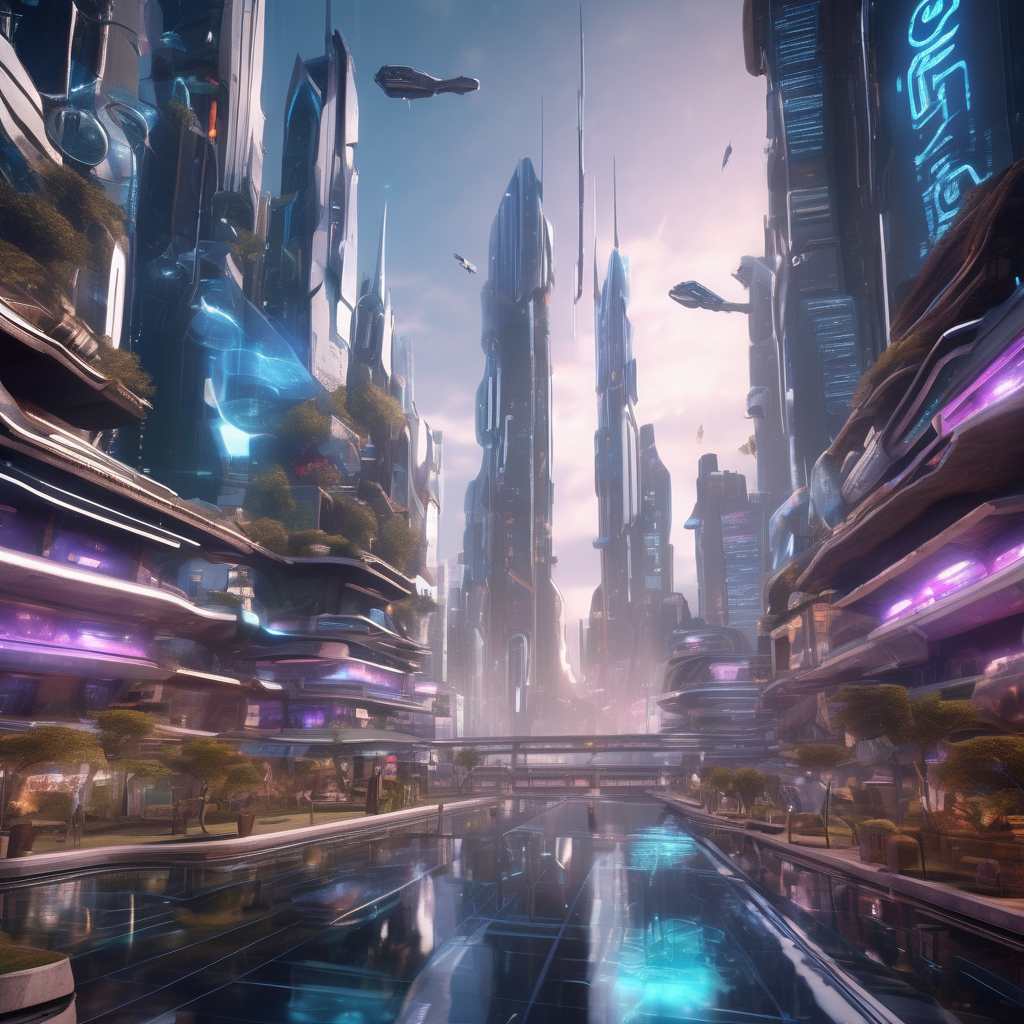
AI video synthesis is transforming virtual environment creation by enabling fast, cost-effective production of realistic videos from 3D models and simulations. This automation reduces manual rendering time and expenses, benefiting gaming, training, and scientific fields. In gaming, it helps build vast, immersive worlds with complex storylines and interactive features once too costly to create. For training, AI-generated scenarios provide safe, realistic settings for medical, military, and industrial skill development, enhancing preparedness. Scientific and engineering sectors gain from improved visual detail and dynamic modeling, aiding analysis and decisions. By democratizing content creation, AI empowers smaller studios and individual creators. As the technology evolves, it promises more realism, interactivity, and personalized experiences. Despite ethical concerns over authenticity and misuse, AI video synthesis represents a major advance, broadening immersive virtual reality across multiple industries.AI video synthesis is revolutionizing the creation of virtual environments by enabling the production of highly realistic video content directly from 3D models and simulations. This cutting-edge technology is advancing rapidly across various fields such as gaming, training, and simulation, providing immersive experiences without the traditionally time-consuming and labor-intensive manual rendering processes. Historically, building virtual worlds required painstaking manual work by artists and developers, involving extensive time and financial resources to craft each scene, texture, and animation. With AI video synthesis, much of this workload can be automated, allowing the swift generation of high-fidelity visuals that retain a strong sense of realism—an efficiency crucial for industries prioritizing speed and quality. In gaming, AI video synthesis empowers developers to create vast, detailed worlds that captivate players through realistic video outputs generated from simulation models. This technology enables richer storytelling and deeper player engagement by making immersive gameplay experiences more achievable and cost-effective. Beyond games, the technology is transforming training simulations for medical, military, and industrial fields by providing authentic, safe environments for skill development. The rapid generation of varied, complex scenarios enhances training quality, improving readiness and real-world performance. Scientific research and engineering simulations also gain from AI video synthesis, which delivers visually detailed and dynamic virtual models to analyze natural phenomena and mechanical systems more profoundly, supporting better-informed decisions.
A major advantage of AI video synthesis lies in reducing development time and costs by automating rendering, freeing teams to focus on design innovation, user experience, and content growth. This acceleration not only speeds up project timelines but also democratizes access to premium virtual content, benefiting smaller studios and individual creators previously constrained by budgets. As AI technology advances, video synthesis capabilities are expected to become even more realistic and interactive, potentially redefining user engagement with virtual reality (VR) and interactive media platforms. Future VR environments might adapt responsively to user inputs, crafting personalized, natural, and immersive experiences. This progress signals a significant transformation for interactive media, benefiting content producers in media, entertainment, education, and beyond. However, as the technology matures, addressing ethical concerns around authenticity and misuse will be increasingly vital. For those interested in exploring AI video synthesis further, VentureBeat offers an in-depth article analyzing its current state and future potential, providing valuable insights into how AI reshapes virtual environment creation. In summary, AI video synthesis represents a paradigm shift—far beyond incremental improvement—in producing virtual environments. By generating lifelike video from 3D models and simulations, it enhances immersion across multiple domains and steadily diminishes traditional barriers of time, cost, and complexity, paving the way for more accessible and captivating virtual realities.
Watch video about
AI Video Synthesis Revolutionizing Virtual Environment Creation from 3D Models
Try our premium solution and start getting clients — at no cost to you