Revolutionizing Gaming with AI Video Synthesis: Immersive & Real-Time Visuals
Brief news summary
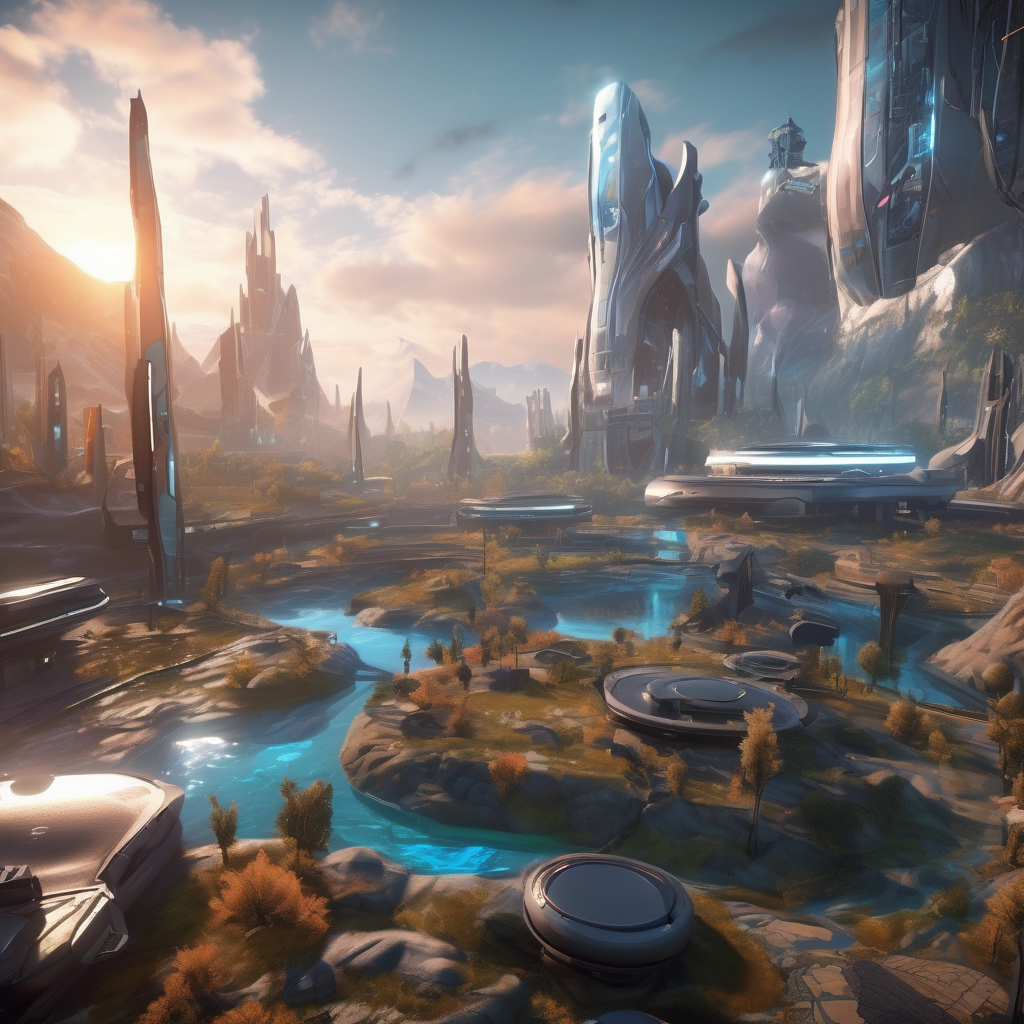
AI video synthesis is transforming the gaming industry by enabling the real-time creation of lifelike, immersive virtual environments. Unlike traditional static graphics, this technology generates dynamic scenes and characters that respond authentically to player actions, resulting in unique, smoother gameplay experiences. It enhances scalability by instantly producing detailed textures, lighting, and environmental elements, reducing development time and costs, and allowing smaller studios to compete with larger developers. Applications include open-world games with dynamic weather and behaviors, role-playing games featuring expressive NPCs that evolve with the storyline, and personalized visuals tailored to player preferences. Despite challenges such as ethical concerns and hardware optimization, AI-driven video synthesis is redefining gaming by offering vivid, adaptive, and customized experiences, unlocking new creative possibilities and deeper immersion for players worldwide.The gaming industry is experiencing a major transformation through the adoption of AI video synthesis technologies. These advanced innovations enable developers to craft more immersive and realistic virtual environments, pushing the limits of player experiences within digital worlds. Utilizing artificial intelligence algorithms capable of generating lifelike video content in real time, the visual quality of game worlds is reaching new heights. This integration allows for the dynamic creation of complex scenes and characters that realistically respond and evolve as players interact within the game. AI-powered video synthesis moves beyond static graphics, ushering in an era where environments adapt fluidly, offering unique experiences in every gaming session. By generating video content through AI, developers reduce dependence on pre-rendered animations or fixed sequences, resulting in smoother and more natural gameplay. This advancement enhances not only the aesthetic appeal but also deepens player engagement by making virtual worlds feel alive and believable. Moreover, AI technologies provide scalability, enabling studios to build expansive, detailed game universes without the extensive manual work traditionally required. AI algorithms instantly produce complex textures, lighting effects, and environmental features, maintaining high visual standards throughout the game world. This real-time content generation cuts development time and costs significantly, allowing smaller studios to compete with major players by delivering high-quality experiences. The impact of AI video synthesis spans various gaming genres, including open-world adventures, role-playing games, competitive esports, and immersive simulations. For example, in open-world games, AI can dynamically modify weather, day-night cycles, and character behaviors, enhancing realism and unpredictability.
Role-playing games benefit from NPCs with more expressive appearances and movements that adjust fluidly according to story developments and player choices. Additionally, AI-driven video synthesis enables highly personalized gaming experiences. By analyzing player behavior and preferences, AI tailors visual elements and scenarios to each individual, boosting satisfaction and retention. This shift moves away from one-size-fits-all designs toward a user-centric approach in game design and storytelling. Despite its considerable advantages, AI video synthesis technology poses challenges. Ethical concerns arise about the potential generation of misleading or inappropriate content. Developers must implement strong safeguards to keep AI-generated visuals within acceptable standards and protect player experiences. Furthermore, optimizing AI algorithms for efficient performance across diverse hardware platforms remains a technical challenge the industry continues to address. In summary, the integration of AI video synthesis technologies is revolutionizing gaming by enhancing the visual fidelity and immersive capabilities of virtual environments. This innovation enriches player engagement through real-time, lifelike video content that dynamically adapts, creating more believable and captivating game worlds. As the technology advances, it promises to open new creative possibilities for developers and offer increasingly personalized and profound experiences to players around the globe.
Watch video about
Revolutionizing Gaming with AI Video Synthesis: Immersive & Real-Time Visuals
Try our premium solution and start getting clients — at no cost to you