Amazon Invests $35 Billion in Robotics and AI for Enhanced Efficiency
Brief news summary
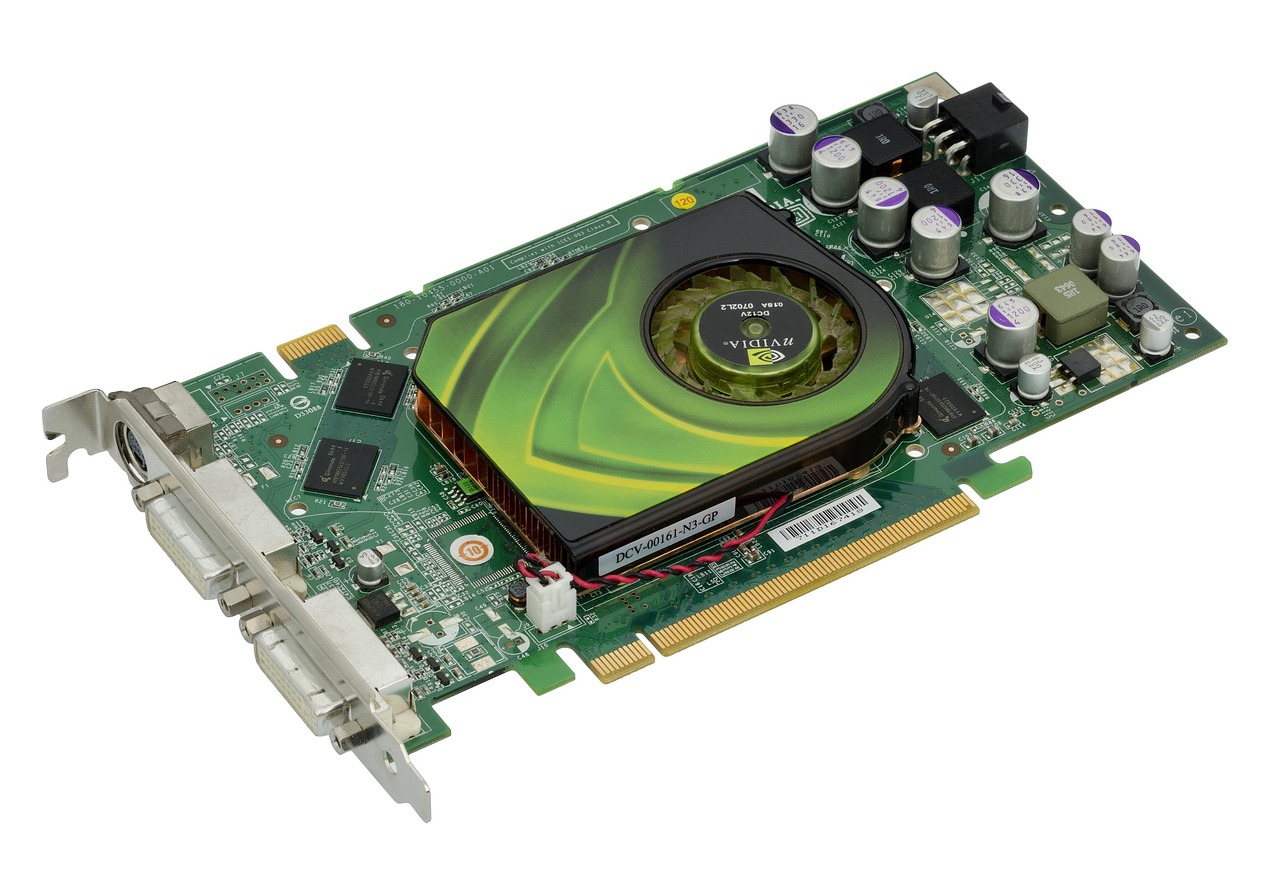
Amazon is ramping up its investments in robotics and artificial intelligence (AI) to enhance efficiency amid fierce competition, with plans to allocate $35 billion toward improving its retail infrastructure, especially in its robotics-driven warehouses. This is part of a broader strategy involving a $100 billion investment for the year, with 25% focused on eCommerce automation. Tye Brady, chief technologist at Amazon Robotics, highlighted the successful achievement of a 25% cost reduction at the Shreveport, LA fulfillment center due to these technological improvements. Additionally, the company is directing $26 billion toward AI initiatives within Amazon Web Services (AWS) this quarter, coinciding with an anticipated $320 billion total AI investment across various sectors by 2025. However, the development of humanoid robots for domestic tasks poses considerable challenges, as household environments are more unpredictable than the structured settings of industrial tasks. Jenny Shern from NexCOBOT points out that the intricate nature of home tasks presents unique hurdles for robotics, unlike the repetitive tasks seen in manufacturing.Amazon is focused on realizing savings from its investments in robotics while increasing its spending on artificial intelligence (AI). According to a report by the Financial Times (FT) on February 26, the tech giant is projected to invest $35 billion in its retail network, which includes warehouses powered by robotics, to enhance efficiency and boost delivery speeds in response to increasing competition from companies like Temu. While much of the anticipated $100 billion expenditure this year will be allocated to AI initiatives, about a quarter of that budget is expected to be dedicated to automation within Amazon’s eCommerce sector, as indicated by analyst estimates in the report. Tye Brady, chief technologist at Amazon Robotics, shared with FT that the benefits of this technology in transforming daily operations are already evident, emphasizing the company’s commitment to continue investing in automation. The report highlights that Amazon's fulfillment center in Shreveport, Louisiana, has demonstrated the cost-saving potential of automation. This state-of-the-art facility, which spans 3 million square feet and has been operational for six months, utilizes robots at every fulfillment stage, leading to a 25% reduction in costs following a tenfold increase in robotics compared to previous warehouse generations. PYMNTS reported earlier this month that Amazon intends to allocate $26 billion this quarter to enhance AI capabilities for Amazon Web Services (AWS), with spending expected to remain steady throughout the year. This level of investment aligns with that of other major tech companies, collectively projected to spend $320 billion by 2025 as they embark on what Microsoft President Brad Smith described in a recent blog as a new industrial revolution. However, PYMNTS noted that significant investments are necessary for AI development. Training large language models requires numerous GPUs (each costing approximately $10, 000 or more) or specialized AI chips, amounting to tens or hundreds of millions of dollars. Additionally, deploying these AI models at scale necessitates high-performance data centers that require more servers, cooling, and maintenance. In related news about robotics and AI, PYMNTS explored the potential of household robots with the introduction of new models from AI startup Figure.
Jenny Shern, general manager at robot manufacturer NexCOBOT, explained that humanoid robots encounter more complex challenges compared to their industrial counterparts. “Traditional industrial robotic arms equipped with vision systems typically depend on preprogrammed commands to perform tasks, which works effectively in factory settings where tasks are repetitive and goal-oriented, ” she stated. However, she pointed out that “incorporating humanoid robots into home environments presents a more intricate challenge because, unlike factories, households are highly dynamic, with tasks varying significantly from one home to another. ”
Watch video about
Amazon Invests $35 Billion in Robotics and AI for Enhanced Efficiency
Try our premium solution and start getting clients — at no cost to you