None

Brief news summary
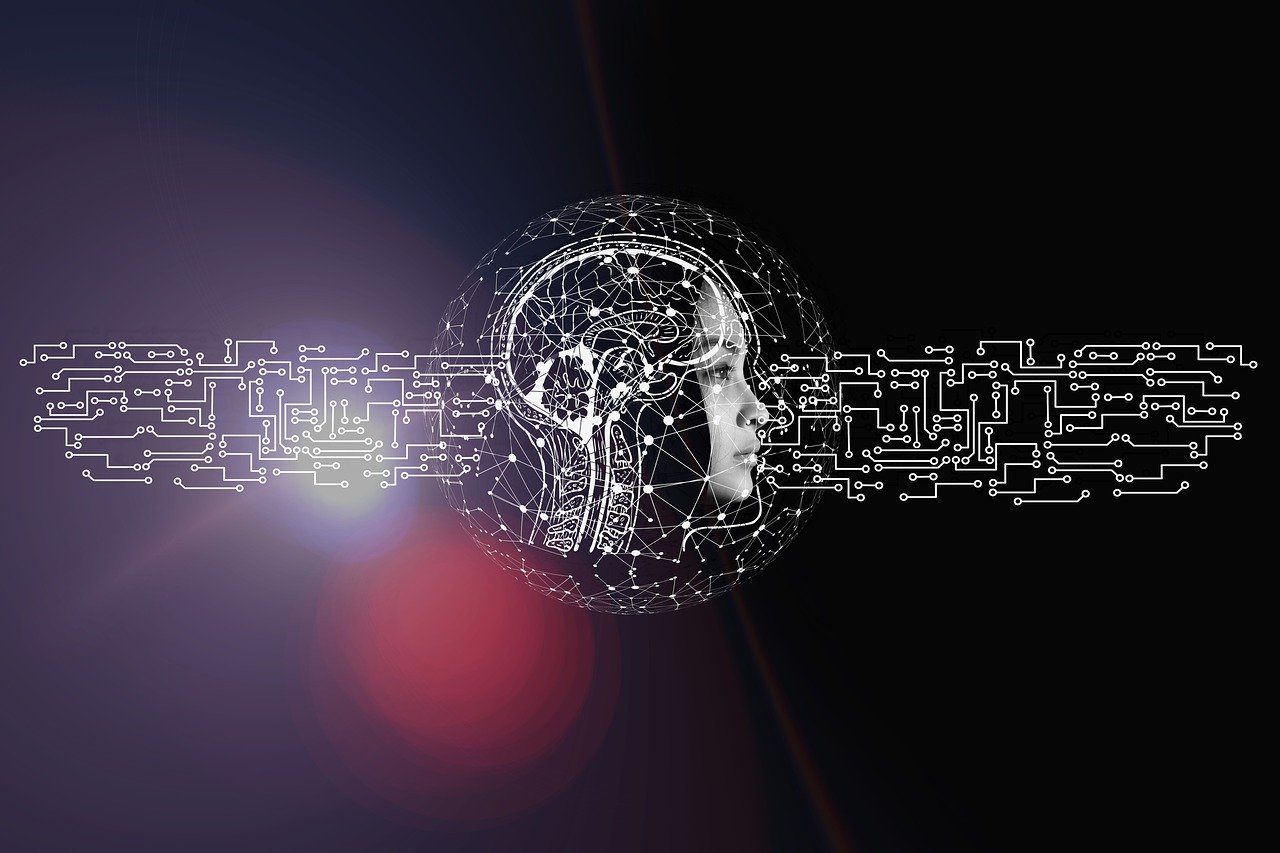
NoneIssues with the video player: - Slow loading of content. - Video content never loaded. - Ad froze or did not finish loading. - Video content did not start after ad. - Audio on ad was too loud. - Other issues. Other issues: - Ad never loaded. - Ad prevented/slowed the page from loading. - Content moved around while ad loaded. - Ad was repetitive to ads I've seen previously. - Other issues. Exciting Discovery: Ancient Herculaneum Scroll Decoded Using Computer Technology and AI Researchers have achieved a major breakthrough in deciphering ancient Herculaneum scrolls with the help of computer tomography and advanced artificial intelligence. These nearly 2, 000-year-old documents, which were preserved after the eruption of Mount Vesuvius in 79 AD, have remained unreadable and fragile. However, through the "Vesuvius Challenge, " a competition aimed at unraveling the scrolls, a team of researchers successfully decoded the first full word from one of these hidden papyri. The word, "πορφυρας" (porphyras), meaning "purple" in Greek, was discovered by Luke Farritor, a computer science student from the University of Nebraska. The virtual unwrapping technique employed in this endeavor involves computer tomography, which scans the coiled and warped papyrus. By virtually flattening the scrolls and utilizing advanced AI trained to detect ink, researchers were able to explore and decipher the hidden contents. The technology responsible for this breakthrough was developed by Brent Seales, a computer science professor from the University of Kentucky, over the course of nearly two decades. The eruption of Vesuvius in 79 AD covered the ancient Roman cities of Pompeii and Herculaneum in volcanic mud, burying them for centuries. Herculaneum and its scrolls lay hidden until their accidental rediscovery in the 1700s.
Over 1, 100 carbonized scrolls, known as the Herculaneum scrolls, were subsequently recovered from a building believed to have belonged to Julius Caesar's father-in-law. This collection is considered the only known large-scale library from classical antiquity. In the 19th century, many scrolls were mechanically pulled apart and left in fragments, making them highly challenging to study. However, with the recent progress in deciphering one word of the unopened papyri, researchers like Michael McOsker, a postdoctoral researcher in papyrology at University College London, are optimistic about the potential for further discoveries. McOsker noted that there is still much work to be done before an entire scroll can be read but believes the problem is solvable and expects significant advancements in the near future. Seales aims to have a partially read scroll that meets contest conditions by the end of this year, with the potential for a fully deciphered scroll by the end of 2024. The significance of these ancient manuscripts extends beyond the text on the pages. They offer glimpses into the lives and perspectives of individuals from 2, 000 years ago, showcasing their thoughts on love, war, peace, and philosophical views of the world. Seales emphasizes the deep connection to the ancients that can be felt through the study of these scrolls, regardless of the specific knowledge gained. Overall, this monumental achievement in decoding a portion of an ancient Herculaneum scroll brings hope for further breakthroughs and the prospect of deeply understanding the thoughts and dialogues of those who lived two millennia ago.
Watch video about
None
Try our premium solution and start getting clients — at no cost to you