
The Growing Role of Blockchain Technology in the Energy Utilities Sector
Brief news summary
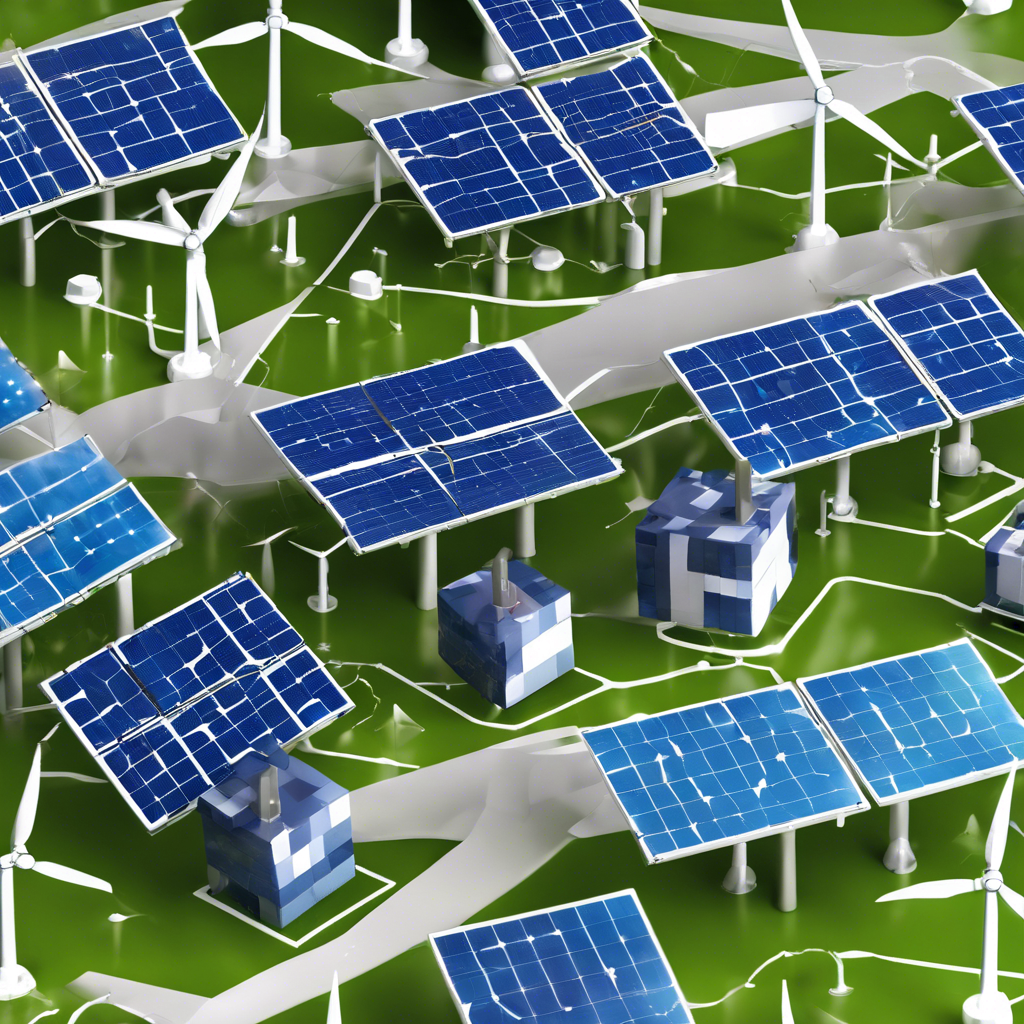
The energy utilities sector is swiftly embracing blockchain technology as the shift from fossil fuels accelerates and the pursuit of energy independence intensifies. Start-ups are exploring various applications of blockchain, while European utility companies focus on renewable energy through green initiatives aimed at boosting generation and distribution efficiency. The push for automation is driving infrastructure upgrades, enabling cost reductions and harnessing blockchain's operational benefits. With the emergence of new electricity customers and innovative smart technologies, blockchain is key to better aligning energy production with consumption. This technology has the potential to revolutionize the traditionally monopolistic energy landscape by facilitating peer-to-peer energy trading and enabling developments like microgrids and virtual power plants. Both public and private blockchain models are in play: public models offer transparency and scalability, whereas private ones focus on security and regulatory compliance. The convergence of automation, decentralized trading, and robust regulatory frameworks is accelerating blockchain adoption. While challenges like scalability and cybersecurity persist, blockchain offers significant opportunities for optimizing energy transactions, promoting sustainability, and enhancing smart city developments.As the world shifts away from fossil fuels and pursues greater energy independence, the demand for blockchain technology in the energy utilities sector is expected to increase significantly during the forecast period. This growth is driven by rising interest from startups and established firms alike, enhancing its market presence. In Europe, energy utilities are introducing green purchase programs, enabling customers to directly buy renewable energy and energy credits from projects. Blockchain technology plays a crucial role in optimizing electricity generation, distribution, and consumption, thereby improving efficiency across the industry. Moreover, with the rise of automation in energy utilities, there is a push for infrastructure upgrades that integrate blockchain-powered solutions to cut costs and enhance operational efficiency. The increase in new electricity consumers, such as electric vehicles and connected homes, along with smart meters and sensors, is generating extensive data that helps energy companies make more informed decisions. Blockchain also ensures better reliability and efficiency, balancing energy production and consumption amid rapid changes in the sector. Blockchain's capabilities are particularly transformative in decentralizing the traditionally centralized energy market. Features such as peer-to-peer energy trading allow consumers to transact directly, creating new revenue streams while improving market resilience. Additionally, microgrids and virtual power plants utilize blockchain for efficient energy management by integrating renewable sources and enhancing coordination between supply and demand. The market is experiencing interest in different types of blockchain technology.
Public blockchains dominate due to their scalability and transparency, catering to a wider user base. In contrast, private blockchains are growing as businesses seek enhanced security and regulatory compliance. In terms of applications, peer-to-peer transactions are expected to lead the market due to the emphasis on renewable energy. Grid transactions will also see growth as blockchain facilitates efficient energy exchanges and manages numerous small-scale transactions. In the power sector, blockchain is set to make substantial contributions by effectively managing distributed energy sources and monitoring consumption. The oil and gas sector is also anticipated to expand rapidly, leveraging blockchain for improved payment processes and transaction management. Key drivers for the blockchain in energy sector include efficiency gains, enhanced transparency, decentralization, and government support for renewable energy. However, scalability, energy consumption, regulatory issues, technology adoption challenges, and cybersecurity risks remain significant barriers. Opportunities for growth include decentralized energy trading, optimized grid management, secure energy data tracking, cross-border trading possibilities, and integration into smart city infrastructures. Prominent players in this market include Power Ledger, WePower, LO3 Energy, and major corporations like IBM, SAP, Oracle, and Microsoft. Recent developments show a trend toward expanding blockchain services globally, indicating a robust future for this technology in the energy sector. In summary, blockchain is poised to significantly impact the energy utilities sector by driving decentralization, enhancing efficiency, and supporting the transition to renewable energy sources.
Watch video about
The Growing Role of Blockchain Technology in the Energy Utilities Sector
Try our premium solution and start getting clients — at no cost to you

I'm your Content Creator.
Let’s make a post or video and publish it on any social media — ready?

Content Maker

Last news
The Best for your Business
Hot news

Meta-backed Hupo finds growth after pivot to AI s…
About four years ago, when Justin Kim, co-founder and CEO of Hupo, launched his company, it was initially called Ami and focused on mental wellness—specifically how people handle pressure, form habits, and change behavior over time.

AI agents set to run marketing by 2026 as campaig…
Marketing is undergoing a major structural transformation expected by 2026, with autonomous AI agents set to replace traditional campaign-driven models.

AI Video Synthesis Enables Real-Time Language Tra…
Artificial intelligence has drastically transformed human interaction, particularly through its application in video content.

Semrush Introduces AI Visibility Toolkit and Ente…
In June 2025, Semrush, a leading digital marketing software company renowned for its SEO, competitive analysis, and online visibility tools, launched two innovative platforms—AI Visibility Toolkit and Enterprise AIO—designed to address the growing impact of artificial intelligence on search technologies.

AI Center at SMM 2024 Showcases AI Innovations in…
At the 2024 SMM exhibition in Hamburg, the maritime industry advanced significantly with the launch of the AI CENTER in Hall B6.
Meta Platforms Invests Over $10 Billion in AI Sta…
In June 2025, Meta Platforms Inc.

What 10 B2B Marketing Leaders Will Change About C…
Key Insights on B2B Content Marketing in 2026 As AI-generated content floods the market, standing out relies increasingly on emotional storytelling, clear semantic structure, and content understandable to both AI and humans
AI Company
Launch your AI-powered team to automate Marketing, Sales & Growth

and get clients on autopilot — from social media and search engines. No ads needed
Begin getting your first leads today

Your News is ready
Your article is ready

Lorem ipsum dolor sit amet consectetur adipisicing elit. Fuga dolor minus maiores. Aut vero expedita dicta, dolorem odit excepturi odio doloremque voluptatem repellat aliquam? Dolores nemo eum id pariatur! Nobis!
Generating video takes longer than text.







