Blockchain-Powered Peer-to-Peer Energy Trading Revolutionizing the Renewable Energy Sector
Brief news summary
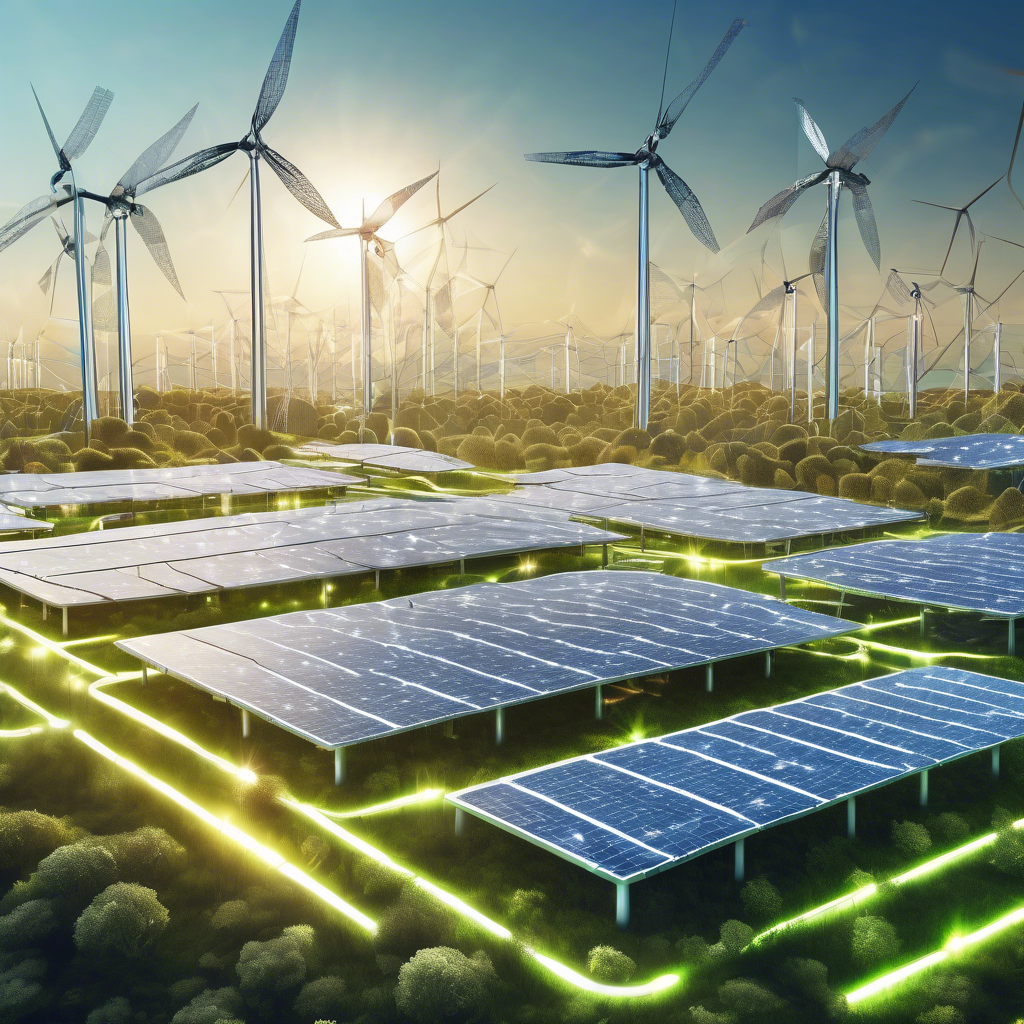
Blockchain technology is transforming the energy sector by enabling peer-to-peer (P2P) energy trading, which allows individuals and businesses to buy and sell renewable energy directly without intermediaries. Utilizing a transparent, decentralized, and immutable ledger, blockchain enhances trust, security, and transaction efficiency. It empowers local producers—such as solar panel owners and small wind farms—to sell surplus energy within their communities, promoting sustainability and energy independence. Smart contracts automate trades, reducing fraud and administrative costs, while decentralized energy supply improves grid resilience, reduces energy losses, and encourages community investment in renewables. Pilot projects in regions like Europe, the U.S., Australia, and Japan are testing these innovations. Despite challenges including regulatory hurdles, scalability, grid integration, and user adoption, blockchain-based energy trading offers significant potential to revolutionize energy production, distribution, and consumption. Achieving its full impact and advancing climate goals will require strong collaboration among stakeholders.Blockchain technology is becoming a transformative force in the energy sector, especially through peer-to-peer (P2P) energy trading. This innovative application enables individuals and businesses to buy and sell renewable energy directly, bypassing traditional intermediaries like utility companies. The key advantage of blockchain here is its transparent, decentralized, and immutable ledger that records transactions, ensuring trust, security, and efficiency in energy exchanges. P2P energy trading uses blockchain’s distributed ledger technology to enable real-time transactions between energy producers—such as households with solar panels or small wind farms—and nearby consumers. This creates a decentralized marketplace that promotes local energy independence and the use of sustainable energy. Increased transparency is a major benefit, as every transaction on the blockchain is visible, unalterable, and provides a reliable record of energy production and consumption. This transparency reduces fraud and errors typical in centralized energy markets. Additionally, blockchain employs smart contracts—self-executing contracts coded with terms—that automate the buying and selling process by verifying energy delivery and triggering payments, thereby reducing administrative costs. By facilitating P2P trading, blockchain empowers consumers to become “prosumers, ” both producing and consuming energy. This decentralization enhances grid resilience, lowers transmission losses, and encourages community investment in renewable infrastructure. Globally, several pilot projects are testing blockchain-based energy trading.
In Europe, countries like Germany and the Netherlands are exploring local energy markets using blockchain to assess technical feasibility, user experience, and economic benefits. In the U. S. , startups and utilities are partnering on trials that streamline renewable energy transactions and verify green energy credentials, providing valuable insights for future regulations and business models. In Asia, countries such as Australia and Japan are leveraging blockchain platforms to meet renewable targets and foster community participation in clean energy. Despite its promise, blockchain energy trading faces challenges including regulatory uncertainty, scalability concerns, and the need for interoperability with existing grids. Public awareness and acceptance also require improvement to drive wider adoption. Nevertheless, the convergence of blockchain and renewable energy offers substantial potential to revolutionize energy production, distribution, and consumption. By enabling P2P trading, blockchain empowers stakeholders, incentivizes sustainable generation, and supports a decentralized, resilient energy system. Amid urgent climate change and emission reduction goals, blockchain-enabled P2P energy trading is a valuable tool to accelerate renewable adoption and build more sustainable, efficient, and equitable energy ecosystems. Achieving this potential will require ongoing investment, research, and collaboration among technology developers, policymakers, utilities, and consumers.
Watch video about
Blockchain-Powered Peer-to-Peer Energy Trading Revolutionizing the Renewable Energy Sector
Try our premium solution and start getting clients — at no cost to you