
Overcoming Challenges in AI-Driven Marketing: Talent, Data, and Cultural Resistance

Brief news summary
Artificial intelligence (AI) is revolutionizing marketing by enhancing efficiency, delivering deeper customer insights, and enabling personalized, scalable campaigns. Despite these benefits, many businesses face challenges in effective AI implementation due to a shortage of skilled professionals in machine learning, data science, and development, leading to project delays and underutilized AI potential. Furthermore, poor data quality—characterized by incomplete or inconsistent information—diminishes AI accuracy and overall effectiveness. Organizational resistance, driven by fears of job loss and skepticism toward new technology, also slows AI adoption. To overcome these obstacles, companies must invest in hiring and continuously training talent, enforce robust data governance, and foster a culture of innovation and learning. Addressing the skills gap, improving data management, and overcoming cultural resistance enable businesses to fully leverage AI’s capabilities, enhance ROI, increase customer engagement, and swiftly adapt to market dynamics, thereby gaining a sustainable competitive advantage.Artificial intelligence (AI) has become a transformative force across multiple industries, providing numerous benefits such as increased efficiency, deeper customer insights, and the ability to personalize marketing on an unprecedented scale. Despite these advantages, many businesses encounter significant challenges when integrating AI into their marketing strategies. One major obstacle is the shortage of skilled personnel. AI technologies demand specialized expertise in fields like machine learning, data science, and software development. Many organizations find it difficult to attract and retain such talent, which can impede the effective deployment and management of AI-powered marketing tools. This shortage often results in project delays or suboptimal utilization of AI capabilities, limiting companies from fully capitalizing on the technology's potential. Beyond human resource limitations, data quality presents a critical barrier to successful AI implementation. AI systems rely heavily on large volumes of accurate, well-structured data to operate effectively. Many businesses face challenges such as incomplete, inconsistent, or outdated data, often scattered across multiple disconnected systems. These data issues can lead to flawed algorithms, misleading insights, and ultimately poor decision-making, thereby undermining the value of AI-driven marketing efforts. Resistance to change is another common challenge when adopting AI. Employees and stakeholders may be hesitant due to concerns about job security, unfamiliarity with AI concepts, or skepticism about its advantages. Such resistance can slow down adoption and reduce willingness to embrace AI-based marketing solutions.
Overcoming these cultural and psychological barriers requires transparent communication, strong change management practices, and continuous education to foster confidence and enthusiasm around AI initiatives. Addressing these challenges is vital for companies seeking to successfully integrate AI into their marketing functions. Organizations must invest in recruiting and training skilled professionals to close the expertise gap. Establishing robust data governance frameworks is essential to maintain data accuracy and consistency, ensuring reliable AI performance. Additionally, cultivating a culture that encourages innovation and lifelong learning helps reduce resistance and facilitates a smoother transition to AI-enhanced workflows. The potential for AI to revolutionize marketing is vast, offering enhanced customer behavior understanding, automation of routine tasks, and more effective content and campaign personalization. However, the journey to achieving these benefits is not without difficulties. By recognizing and proactively addressing issues related to skill shortages, data quality, and organizational change, businesses can set the stage for successful AI adoption. Leading companies that have effectively navigated these factors frequently report higher marketing ROI, increased customer engagement, and improved responsiveness to market dynamics. As AI technologies advance and become increasingly accessible, overcoming implementation challenges will continue to be a crucial differentiator between industry leaders and followers. In summary, while AI is a powerful tool for boosting marketing capabilities, its successful implementation demands intentional effort and strategic planning. Businesses must acknowledge and address challenges involving talent acquisition, data management, and cultural resistance. By doing so, they can unlock the full potential of AI and secure sustainable competitive advantages in their marketing endeavors.
Watch video about
Overcoming Challenges in AI-Driven Marketing: Talent, Data, and Cultural Resistance
Try our premium solution and start getting clients — at no cost to you

I'm your Content Creator.
Let’s make a post or video and publish it on any social media — ready?

Content Maker

Last news
The Best for your Business
Hot news

Apple's AI Assistant Siri Introduces New Features
Apple has introduced major upgrades to its AI assistant, Siri, focusing on enhancing user interaction via improved voice recognition and deeper contextual understanding.

Microsoft launches AI Accelerator for Sales, AI a…
Microsoft has recently launched a comprehensive suite of AI agents along with an AI accelerator program aimed at enhancing sales operations.

The Future of SEO: Embracing AI for Enhanced Sear…
The landscape of search engine optimization (SEO) is undergoing a significant transformation with the integration of artificial intelligence (AI).

Giles Bailey’s SMM Dealfinder Reaches $1M ARR wit…
Giles Bailey, a 21-year-old entrepreneur, has rapidly expanded his company, SMM Dealfinder, into a successful business generating $1 million in annual recurring revenue within just six months.

AI-Generated Video Content: The Future of Enterta…
Artificial intelligence (AI) is revolutionizing the entertainment industry by transforming video content creation and consumption.

Ethical Considerations in AI-Driven Marketing
As artificial intelligence (AI) becomes increasingly integrated into marketing, professionals and organizations are emphasizing the need for ethical considerations in deploying and managing these technologies.
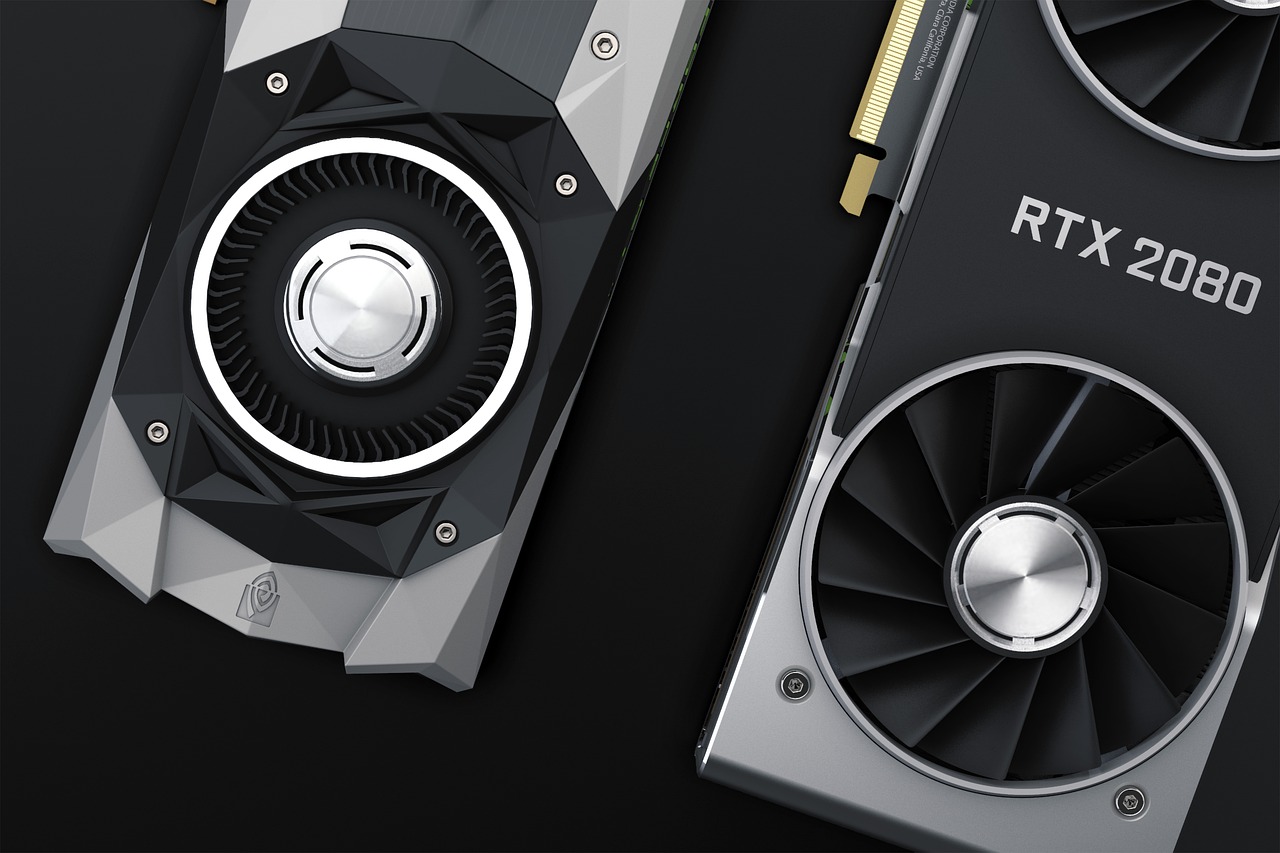
Nvidia's AI Chipset Powers Next-Gen Gaming Consol…
Nvidia has introduced its latest AI chipset, set to become a foundational component in next-generation gaming consoles.
AI Company
Launch your AI-powered team to automate Marketing, Sales & Growth

and get clients on autopilot — from social media and search engines. No ads needed
Begin getting your first leads today

Your News is ready
Your article is ready

Lorem ipsum dolor sit amet consectetur adipisicing elit. Fuga dolor minus maiores. Aut vero expedita dicta, dolorem odit excepturi odio doloremque voluptatem repellat aliquam? Dolores nemo eum id pariatur! Nobis!
Generating video takes longer than text.







