
China Summons Nvidia over H20 Chip Security Concerns Amid US-China Tech Tensions
Brief news summary
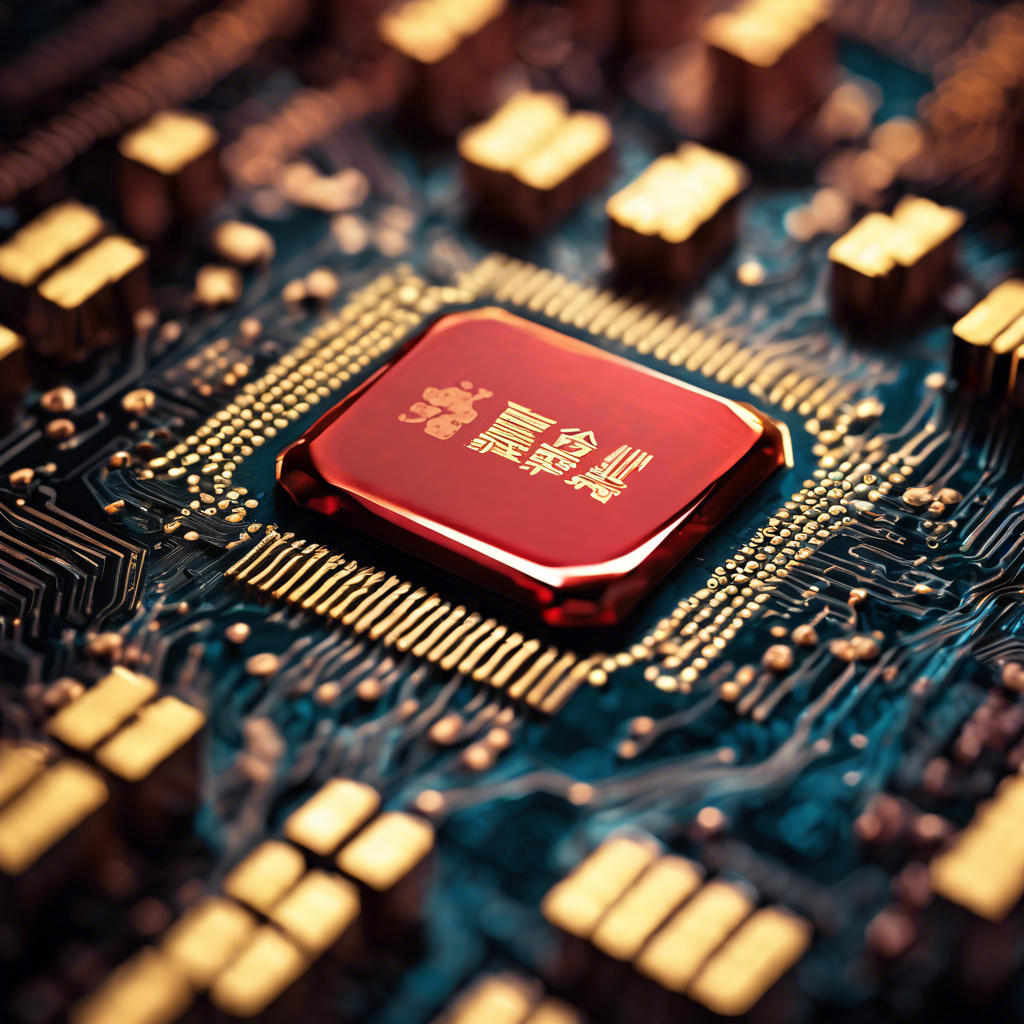
On July 31, 2025, China’s Cyberspace Administration summoned U.S. semiconductor company Nvidia over its recently reapproved H20 chips, previously banned due to security concerns. Chinese regulators alleged these chips might contain “backdoor” features capable of remote tracking and disabling, raising serious cybersecurity issues. Nvidia denied these claims, emphasizing its commitment to security. This incident follows the lifting of a U.S. ban on H20 sales that had been imposed during the Trump administration, highlighting ongoing tensions between trade interests and national security. China’s actions reflect the broader U.S.-China rivalry in AI and semiconductor technology, with Chinese officials citing anonymous American AI experts to support their accusations. Concurrently, U.S. legislation such as the Chip Security Act is tightening export controls, fueling mutual distrust. Although less advanced than Nvidia’s H100 chips, the H20 models are feared to significantly boost China’s AI and military capabilities. U.S. lawmakers have criticized the relaxation of restrictions, warning it could undermine American technological leadership and democratic values. The Nvidia-H20 dispute exemplifies the complex challenges global tech firms face amid geopolitical conflicts involving export controls, cybersecurity, and innovation, shaping the future landscape of international technology exchange and trust.On July 31, 2025, China’s Cyberspace Administration summoned U. S. semiconductor leader Nvidia over concerns regarding the company’s H20 chips, recently allowed back into the Chinese market after a prior restriction. Chinese regulators alleged that these chips might pose cybersecurity risks, specifically suggesting they contain "backdoor" features potentially enabling remote tracking and disabling of devices. This claim raised serious fears about the safety of critical technology imports. Nvidia promptly denied these accusations, stressing that cybersecurity is a top priority and firmly rejecting any suggestion that their chips harbor hidden vulnerabilities exploitable for unauthorized surveillance or control. This event follows a policy reversal by the Trump administration, which lifted an earlier ban on selling H20 chips to China. Those original restrictions aimed to prevent transfer of advanced technology that could boost China’s AI development and military capabilities. The decision to allow Nvidia’s chips back was viewed as a careful balance between fostering technological trade and protecting national security. Nevertheless, China’s renewed scrutiny reflects ongoing geopolitical and technological tensions between the two nations. Complicating the issue, Chinese regulators referred to unnamed American AI experts purportedly supporting the claim of embedded tracking capabilities in the chips. They also referenced proposed U. S. legislation like the Chip Security Act, designed to mandate export tracking mechanisms on semiconductor technologies to prevent unauthorized use. If enacted, such laws could jeopardize continued sales and partnerships in the tech sector, heightening mistrust between the world’s largest economies. Though Nvidia’s H20 chips are less advanced than their flagship H100 models, concerns persist that even these simpler chips might significantly enhance China’s AI programs.
This has intensified worries among some U. S. lawmakers and defense analysts who argue that any upgrade to China’s AI—regardless of chip generation—poses a strategic threat to American security interests. Members of the U. S. Congress have sharply criticized the Commerce Department’s relaxation of chip sale restrictions. They warn that granting China access to even older chip models could bolster its military prowess and censorship infrastructure, risking America’s technological advantage and potentially aiding activities contrary to democratic values and international security. This incident highlights the broader intensifying technological rivalry between the U. S. and China in AI and semiconductor fields. Both nations understand the critical importance of maintaining leadership in these areas due to their far-reaching economic, security, and geopolitical implications. Semiconductor chips lie at the core of modern IT and AI systems, making debates about their export, security, and ethical use increasingly prominent worldwide. The clash between free technology trade and national security concerns stands central to this dispute. In summary, Nvidia’s summons by Chinese authorities underscores the fragile balance between tech collaboration and competition defining current U. S. -China relations. Although Nvidia strongly denies the backdoor allegations, the episode reveals potential vulnerabilities and the complex challenges facing global tech firms amid geopolitical friction. Ongoing discussions on chip exports, cybersecurity standards, and regulation are poised to shape the future of international technology exchange and innovation partnerships. Given the rapid progress in semiconductor and AI technologies, governments, industries, and civil societies must navigate these challenges prudently to ensure advancement that protects security, privacy, and trust across borders. The Nvidia-H20 chip controversy exemplifies a critical, multifaceted issue in this consequential domain.
Watch video about
China Summons Nvidia over H20 Chip Security Concerns Amid US-China Tech Tensions
Try our premium solution and start getting clients — at no cost to you

I'm your Content Creator.
Let’s make a post or video and publish it on any social media — ready?

Content Maker

Last news
The Best for your Business
Hot news

15 Ways Sales Has Changed This Year in the Age of…
Over the last 18 months, Team SaaStr has immersed itself in AI and sales, with a major acceleration starting June 2025.

OpenAI's GPT-5: What We Know So Far
OpenAI is gearing up to launch GPT-5, the next major advancement in its series of large language models, with the release expected in early 2026.

AI in SEO: Transforming Content Creation and Opti…
Artificial intelligence (AI) is swiftly reshaping the field of content creation and optimization within search engine optimization (SEO).

AI Video Conferencing Solutions Improve Remote Wo…
The shift to remote work has highlighted the crucial need for effective communication tools, leading to the rise of AI-powered video conferencing solutions that enable seamless collaboration across distances.

AI In Medicine Market Size, Share, Growth | CAGR …
Overview The Global AI in Medicine Market is forecasted to reach approximately USD 156

Google's Danny Sullivan & John Mueller On SEO For…
John Mueller from Google hosted Danny Sullivan, also from Google, on the Search Off the Record podcast to discuss "Thoughts on SEO & SEO for AI

Lexus takes generative AI for a spin in new holid…
Dive Brief: Lexus has launched a holiday marketing campaign created using generative artificial intelligence, according to a press release
AI Company
Launch your AI-powered team to automate Marketing, Sales & Growth

and get clients on autopilot — from social media and search engines. No ads needed
Begin getting your first leads today

Your News is ready
Your article is ready

Lorem ipsum dolor sit amet consectetur adipisicing elit. Fuga dolor minus maiores. Aut vero expedita dicta, dolorem odit excepturi odio doloremque voluptatem repellat aliquam? Dolores nemo eum id pariatur! Nobis!
Generating video takes longer than text.







