Coca-Cola’s AI-Driven Holiday Ad Sparks Debate Over Authenticity in Marketing
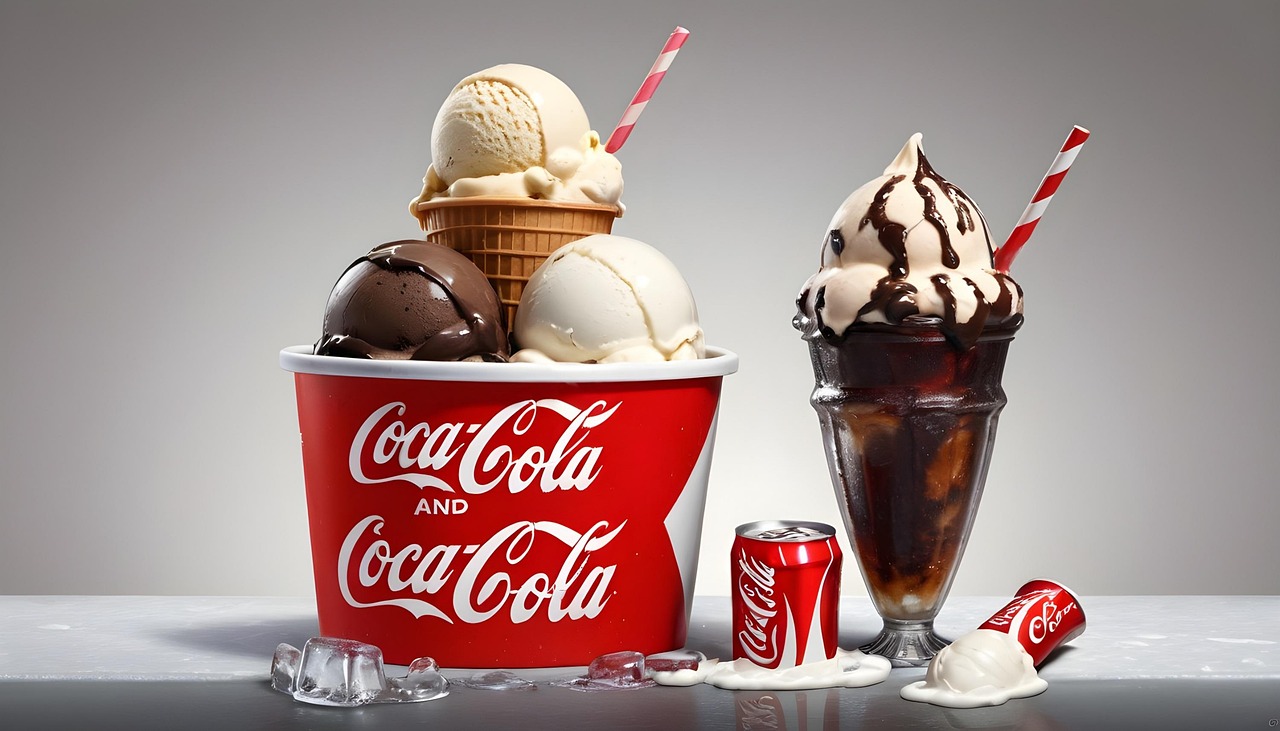
Brief news summary
Coca-Cola’s recent holiday ad, created using artificial intelligence (AI), sparked controversy for lacking the emotional warmth typical of its campaigns. Critics called the AI-generated content “soulless” and “mechanical,” highlighting a disconnect between tech innovation and authentic emotional impact. Coca-Cola defended its approach, saying AI was used as a creative tool to complement human storytelling, not replace it. This controversy raises broader issues about AI’s growing role in creative fields like marketing, where empathy and authenticity are crucial. While AI can efficiently produce visuals and narratives, it often falls short in capturing subtle human emotions. Coca-Cola’s experience illustrates the challenge brands face in balancing technological progress with preserving the heartfelt connection that resonates with audiences. The mixed responses encourage ongoing debate on integrating AI in ways that honor tradition while driving innovation.Coca-Cola’s recent holiday advertisement, created using artificial intelligence, has sparked significant debate and criticism from audiences and industry experts. Aimed at capturing festive spirit and attracting holiday viewers, the campaign was criticized by some as “soulless” and “embarrassing, ” lacking the emotional depth typical of seasonal marketing. Unlike traditional ads, this commercial employed generative AI to develop both visual and narrative elements, blending human creativity with advanced technology to offer a fresh, modern take on holiday advertising. However, public reception revealed a disconnect between Coca-Cola’s vision and audience expectations. Many viewers felt the AI-generated content came across as mechanical and devoid of the warmth, nostalgia, and heartfelt connection long associated with the brand’s holiday campaigns. Critics argued that the ad lacked the authentic human touch that usually brings emotional resonance to such marketing efforts. In response, Coca-Cola defended its creative approach, emphasizing their use of technology as a tool to enhance—not replace—human imagination. The company framed the use of AI as a fusion of human ingenuity and technological innovation aimed at expanding creative possibilities and pushing traditional advertising boundaries. They assured audiences that despite AI’s involvement, production maintained high-quality standards with the goal of delivering compelling, meaningful content.
This initiative is part of a broader strategy to remain relevant and engaging amid evolving digital landscapes where consumers seek novel, immersive experiences. The controversy surrounding this AI-driven ad highlights broader discussions about technology’s role in creative industries, especially in balancing automation with human expression in emotionally driven storytelling. While AI offers impressive capabilities for quickly generating visuals, sounds, and narratives, it still struggles to replicate the nuanced subtleties and empathy human creators provide. This case underscores ongoing tensions between innovation and tradition in marketing, where emotional resonance remains crucial for consumer engagement. Moreover, consumer responses highlight the continued importance of authenticity and genuine human emotion in brand communication. As companies increasingly integrate AI, they face the challenge of ensuring these tools complement rather than overshadow the elements that build meaningful connections with audiences. Coca-Cola’s AI experiment may open doors for future explorations of technology-augmented creativity but also reveals risks in over-relying on automation. Their experience suggests that while AI can be a powerful assistant, preserving the soulful quality of storytelling still requires the irreplaceable insight and emotional intelligence unique to humans. In conclusion, the mixed reactions to Coca-Cola’s AI-enhanced holiday ad encourage marketers, technologists, and consumers to reflect on the evolving relationship between creative expression and artificial intelligence. It sparks important dialogue on how brands can adopt innovation while maintaining the heartfelt connections that resonate during occasions like the holiday season. As the industry adapts to emerging technologies, lessons from this campaign will likely shape how future ads integrate AI—striving to harness technological advances to enrich, rather than diminish, the emotional power defining impactful marketing narratives.
Watch video about
Coca-Cola’s AI-Driven Holiday Ad Sparks Debate Over Authenticity in Marketing
Try our premium solution and start getting clients — at no cost to you