Coca-Cola’s 2024 AI-Generated Holiday Commercials Spark Controversy Over Creativity
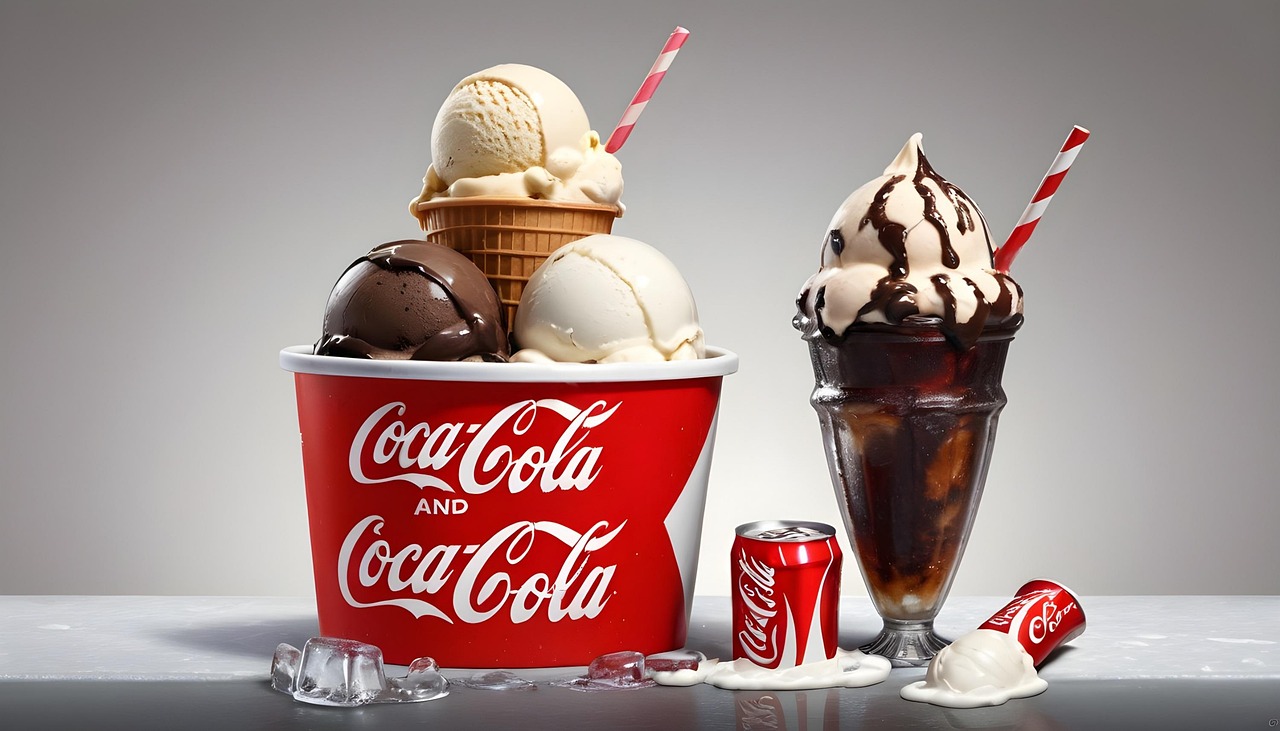
Brief news summary
In November 2024, Coca-Cola launched three holiday commercials created with artificial intelligence, marking a significant move toward AI-driven marketing. The company aimed to blend human creativity with AI technology to enhance its creative process. However, the ads faced criticism from audiences and creatives, who felt the AI-generated content lacked emotional depth and authenticity. Animator Alex Hirsch openly condemned the campaign, stressing the importance of human intuition in storytelling. Coca-Cola defended its approach, explaining that AI was used collaboratively with human oversight and announced plans to incorporate AI in future campaigns, including the 2025 holidays. This initiative sparked broader debates about AI’s role in creative industries, exposing tensions between technological innovation and genuine artistic expression. Overall, the campaign highlighted challenges in integrating AI into advertising and raised important questions about creativity, ethics, and the evolving nature of artistic work in the digital age.In November 2024, Coca-Cola garnered significant attention by using artificial intelligence (AI) to produce three commercials for its annual holiday campaign, marking a notable shift toward incorporating cutting-edge technology in its festive advertising. This move, however, prompted immediate widespread controversy across social media and creative communities. Many viewers and artists criticized the AI-generated ads for lacking the emotional depth and nuanced storytelling traditionally crafted by humans, describing them as impersonal and failing to capture the warmth and authenticity emblematic of Coca-Cola’s holiday messaging. Prominent creative figures, including animator Alex Hirsch, creator of 'Gravity Falls, ' openly condemned Coca-Cola’s reliance on AI over human artists. Hirsch stressed the value of human creativity, intuition, and emotional intelligence in producing art that genuinely connects with audiences, warning that sidelining artists could undermine the essence of storytelling and diminish advertising quality and impact. Coca-Cola responded to the backlash by defending its approach, stating that their use of generative AI was intended to complement human creativity rather than replace it. The company emphasized that their commercials were produced under careful human supervision, aiming to fuse AI’s capabilities with human insight to inspire fresh ideas and broaden creative horizons. Despite criticism, Coca-Cola committed to continuing AI use in its 2025 holiday campaign, underscoring its confidence in the technology’s role in future advertising innovation and its identity as a forward-thinking brand willing to explore new tools. The controversy sparked broader debates on AI’s role in creative industries.
While some applauded AI’s technological advancements and efficiency, others warned of risks such as the erosion of human artistry, homogenization of content, and loss of authentic emotional connections with audiences. As AI becomes more integrated across sectors, companies like Coca-Cola find themselves navigating the delicate balance between leveraging technology and preserving the human touch critical to compelling creativity. This debate raises fundamental issues about the future of creative labor, ethical AI use, and evolving definitions of artistry in a digital era. In summary, Coca-Cola’s 2024 AI-generated holiday commercials represented a bold experiment that challenged traditional ideas of creativity in advertising. The mixed public and industry response highlighted the complexities of integrating AI into creative work and reinforced the indispensable role of human contribution in producing meaningful, emotionally resonant content. As Coca-Cola advances its AI-driven marketing, the ongoing dialogue between technology and creativity remains a key, evolving frontier within entertainment and advertising.
Watch video about
Coca-Cola’s 2024 AI-Generated Holiday Commercials Spark Controversy Over Creativity
Try our premium solution and start getting clients — at no cost to you