
Consumer Attitudes Toward AI Assistants in Ecommerce: Survey Insights and Challenges

Brief news summary
A recent Omnisend survey of 1,026 U.S. consumers reveals cautious attitudes toward AI assistants in ecommerce. Although AI adoption is growing, 66% of shoppers want to maintain control over their purchases, while only 34% fully trust automated processes. Consumers appreciate AI for personalized recommendations (38%) and faster checkouts (31%), but concerns about data privacy remain high: over half worry about misuse of personal information, and 28% distrust companies’ data management. Issues such as inaccurate AI suggestions and poor chatbot interactions fuel skepticism. Nearly half prioritize improved service quality over increased automation, emphasizing that AI should support—not replace—human customer service. Experts recommend retailers boost transparency, safeguard customer data, and enhance AI accuracy to build trust. Balancing ethical data use, consumer control, and effective AI support is essential for broader acceptance, with ongoing openness and dialogue vital as AI evolves in online shopping.A recent survey by Omnisend involving 1, 026 U. S. respondents highlights consumer attitudes toward the increasing use of artificial intelligence (AI) assistants in ecommerce. The results show that although AI tools are more commonly integrated into online shopping, most consumers still prefer to make their own purchasing decisions instead of relying on AI. Specifically, 66% of participants favored maintaining control over their purchases, emphasizing a desire for personal choice in the buying process. Meanwhile, only around 34% were open to allowing AI to make purchases on their behalf. This division reflects a cautious stance many shoppers take regarding full automation in ecommerce transactions. Despite these reservations, many consumers recognize the potential advantages AI can offer. For example, 38% valued the personalized product recommendations that AI systems provide by tailoring suggestions based on individual preferences and past behavior. Additionally, 31% appreciated faster shopping experiences enabled by AI, such as quicker search results and simplified checkout processes. However, persistent concerns about data privacy and trust continue to influence consumer views on AI in ecommerce. Over half of respondents worried about their personal data being misused or mishandled by companies employing AI technologies.
Furthermore, 28% expressed outright distrust of businesses’ data practices, signaling a significant trust gap that retailers need to address. Beyond privacy issues, users frequently face frustration related to AI performance. Many reported receiving inaccurate product recommendations and experiencing unsatisfactory interactions with chatbots designed for customer service. Such negative encounters can reduce the perceived value of AI tools and reinforce skepticism about their use. Reflecting these challenges, almost half of the surveyed consumers indicated a preference for improved service quality over further automation. This suggests that while AI has the potential to enhance online shopping, it should serve to support rather than replace the human element in customer experiences. Drawing from these insights, experts recommend that retailers focus on transparency regarding AI use and data handling. It is crucial to maintain customer control over purchasing decisions and clearly communicate the benefits AI can offer to build consumer trust. By addressing privacy concerns and ensuring AI delivers accurate, helpful assistance, ecommerce businesses can close the trust gap and encourage more positive customer interactions. This survey highlights the delicate balance ecommerce retailers must achieve as they incorporate AI into their platforms. Prioritizing ethical data management, respecting consumer autonomy, and improving AI service quality are essential for wider acceptance of AI assistants in digital shopping. As AI technologies evolve, continuous engagement with consumers and a commitment to transparency will remain key to shaping ecommerce’s future.
Watch video about
Consumer Attitudes Toward AI Assistants in Ecommerce: Survey Insights and Challenges
Try our premium solution and start getting clients — at no cost to you

I'm your Content Creator.
Let’s make a post or video and publish it on any social media — ready?

Content Maker

Last news
The Best for your Business
Hot news

Runway Partners with IMAX to Showcase AI-Generate…
Runway Partners with IMAX to Showcase AI-Generated Films Across Major U
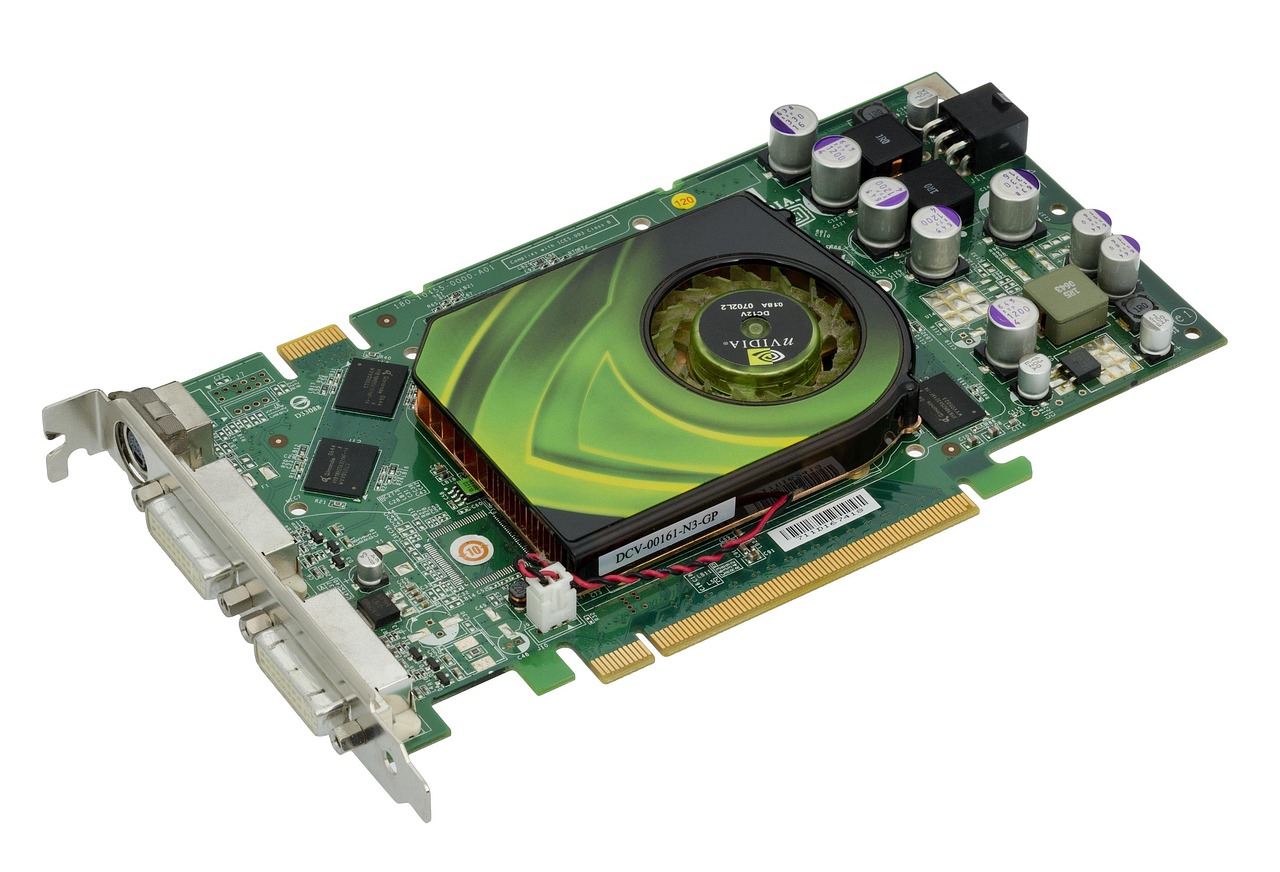
Nvidia's AI Chip Sales Surge Amid Data Center Dem…
Nvidia, a leading technology firm famed for its graphics processing units (GPUs), has announced a substantial rise in sales of its AI chips.

UK Proposes Forcing Google to Let Publishers Opt …
Britain’s competition watchdog, the Competition and Markets Authority (CMA), has proposed that Google should allow news sites and content creators to opt out of having their online content scraped for use in its AI-generated news summaries.

Walsin Lihwa Captures 50% Share in China's AI Ser…
Walsin Lihwa, a leading stainless steel producer, has made a major breakthrough by entering China’s artificial intelligence (AI) server market.

AI Video Synthesis Enhances Virtual Reality Exper…
Virtual reality (VR) developers are increasingly integrating artificial intelligence (AI) video synthesis technologies to craft highly realistic video content that reacts and adapts to user interactions in real time.

Tesla will report Q4 earnings results after the 4…
Tesla is set to release its Q4 earnings results following the market close at 4 p.m.

Project Prometheus: Jeff Bezos's New AI Venture
Project Prometheus is an innovative artificial intelligence (AI) startup founded by Jeff Bezos in November 2025.
AI Company
Launch your AI-powered team to automate Marketing, Sales & Growth

and get clients on autopilot — from social media and search engines. No ads needed
Begin getting your first leads today

Your News is ready
Your article is ready

Lorem ipsum dolor sit amet consectetur adipisicing elit. Fuga dolor minus maiores. Aut vero expedita dicta, dolorem odit excepturi odio doloremque voluptatem repellat aliquam? Dolores nemo eum id pariatur! Nobis!
Generating video takes longer than text.







