
Deepfake Technology: Advances, Risks, and Ethical Challenges in the Digital Era

Brief news summary
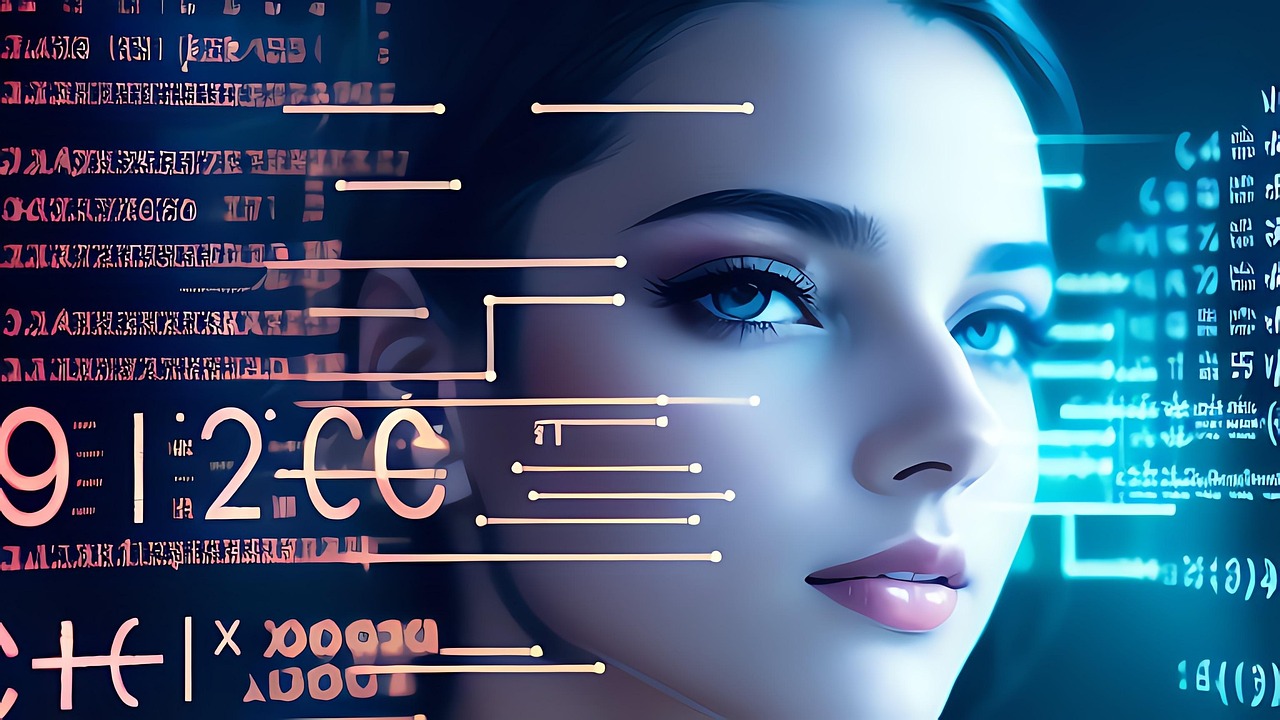
Deepfake technology has rapidly evolved, enabling the creation of highly realistic videos depicting individuals saying or doing things they never actually did. This advancement offers exciting possibilities in fields like entertainment, education, and marketing by producing captivating visuals. However, it also presents significant challenges in verifying authenticity, as advanced AI allows seamless face swaps and altered expressions that are difficult to detect. These capabilities raise serious concerns about misinformation, political manipulation, and reputational damage, drawing attention from governments, social media platforms, and cybersecurity experts. To address misuse, sophisticated detection methods focusing on subtle inconsistencies—such as unnatural facial movements and inconsistent lighting—are being developed. Ethical discussions emphasize the need for comprehensive guidelines and regulations to balance the benefits and risks of deepfakes. Public awareness campaigns and media literacy initiatives promote critical evaluation, while online platforms enforce policies against harmful content. Legal frameworks regarding defamation, privacy, and intellectual property are evolving, underscoring the importance of international cooperation due to the global nature of the technology. Despite the risks, deepfakes hold innovative potential for interactive historical reconstructions and enhanced storytelling in film. Effective management requires a multifaceted approach combining advanced detection, ethical standards, education, regulation, and global collaboration to harness deepfakes’ benefits while minimizing misuse and maintaining digital trust.Deepfake technology has advanced significantly, allowing the creation of highly realistic manipulated videos that portray individuals saying or doing things they never actually did. This innovation offers new opportunities in fields like entertainment, education, and marketing by enabling visually compelling and engaging content. However, it also presents major challenges, especially in verifying video authenticity. Recent enhancements in artificial intelligence and machine learning have made deepfakes more sophisticated and easier to produce, often involving seamless face swaps or alterations in voice and facial expressions. This makes it difficult for viewers to distinguish genuine footage from manipulated content, raising concerns about the potential misuse of deepfakes in spreading misinformation and disinformation. The threat of malicious exploitation is pressing. Deepfake videos can create misleading political statements, fake news, or compromising material designed to harm reputations or incite unrest. This potential for deception alarms governments, social media platforms, and cybersecurity experts, who recognize that unchecked fabricated videos could erode public trust and disrupt social stability. Consequently, AI and digital forensics experts stress the urgent need to develop robust detection methods. These systems detect subtle inconsistencies or artifacts—such as pixel patterns, lighting and shadow irregularities, unnatural blinking or facial movements, and audio discrepancies—that reveal artificial content. Ongoing research and investment are essential to outpace the evolving tactics of deepfake creators. Besides technical responses, ethical considerations are crucial. Policymakers, technologists, and industry leaders advocate for comprehensive guidelines and regulations to govern the creation and distribution of synthetic media. Such protocols aim to preserve the positive applications of deepfakes—for instance, in film production, education, and virtual communication—while preventing harmful misuse. Addressing deepfake challenges also entails raising public awareness.
Educating people about deepfake capabilities empowers them to critically assess the authenticity of videos. Media literacy programs and public campaigns play vital roles in equipping audiences with tools to differentiate factual content from manipulated material. Social media companies and tech firms are also adopting proactive measures by enforcing policies that detect and remove deepfake content violating community standards. Some platforms are testing watermarking or labeling synthetic videos to inform viewers of their artificial nature. These efforts demonstrate ongoing commitments to maintaining digital ecosystem integrity amid increasingly blurred lines between real and fabricated media. Furthermore, legal frameworks are being reviewed and updated to tackle deepfake-related issues. Laws concerning defamation, privacy, and intellectual property are evolving to address synthetic media’s implications. Because deepfakes often cross national borders, international cooperation is critical for a coordinated response that protects digital security and human rights. Despite inherent risks, deepfake technology offers vast potential for innovation. In education, it can recreate historical figures for interactive learning or provide personalized language instruction through realistic virtual tutors. In entertainment, it enables filmmakers to produce digital performances previously impossible or prohibitively expensive. In summary, deepfake technology represents a pivotal development in digital media, blending new opportunities with significant challenges. Addressing these requires a multifaceted approach encompassing improved detection technology, ethical guidelines, public education, regulatory actions, and international collaboration. Through these efforts, society can leverage deepfake benefits while mitigating misuse risks, thereby safeguarding trust and authenticity in the digital era.
Watch video about
Deepfake Technology: Advances, Risks, and Ethical Challenges in the Digital Era
Try our premium solution and start getting clients — at no cost to you

I'm your Content Creator.
Let’s make a post or video and publish it on any social media — ready?

Content Maker

Last news
The Best for your Business
Hot news
Meet Sparky—the AI Chatbot Walmart Says Is a Whiz…
Sparky is driving up sales at a major retailer.

C3 AI Recognized as Leader in Enterprise AI Platf…
C3 AI has been officially recognized as a Leader in the Enterprise AI platforms sector by Verdantix, a respected independent research and consulting firm that evaluates technology providers across industries.

AI-Driven SEO: Enhancing User Experience and Enga…
Artificial intelligence (AI) is increasingly crucial in transforming search engine optimization (SEO) strategies by significantly enhancing user experience and engagement.

AI-Powered Content Engine Scoopy Transforms News …
In today’s rapidly evolving digital environment, keeping up with the latest news and trends relevant to your brand is more important than ever.

Digital.ai Launches Automated Testing for Automot…
Digital.ai has announced a major breakthrough in automotive software testing by introducing the industry’s first support for end-to-end automated testing of Android Auto and Apple CarPlay applications.

Shift from SEO to AI Optimization in the Age of A…
In the early 2000s, search engine optimization (SEO) was mainly a technical practice centered on measurable, formulaic strategies.

C3 AI Restructures Sales and Services Organizatio…
C3 AI, a leading enterprise AI software provider, has completed a major restructuring of its global sales and services organization, introducing new leadership appointments aimed at driving growth and enhancing customer success worldwide.
AI Company
Launch your AI-powered team to automate Marketing, Sales & Growth

and get clients on autopilot — from social media and search engines. No ads needed
Begin getting your first leads today

Your News is ready
Your article is ready

Lorem ipsum dolor sit amet consectetur adipisicing elit. Fuga dolor minus maiores. Aut vero expedita dicta, dolorem odit excepturi odio doloremque voluptatem repellat aliquam? Dolores nemo eum id pariatur! Nobis!
Generating video takes longer than text.







