
Deepfake Technology: Opportunities, Risks, and Ethical Challenges in Synthetic Media

Brief news summary
Deepfake technology has advanced rapidly, creating highly realistic synthetic videos that manipulate or replace a person's image. This innovation offers significant benefits in entertainment, education, marketing, and journalism—allowing filmmakers to revive historical figures and educators to simulate experts to enhance learning experiences. However, deepfakes also raise serious ethical and social concerns. They can generate misleading videos of public figures, spreading misinformation that undermines trust and democratic processes. Privacy issues are critical, especially with non-consensual deepfake pornography, which inflicts emotional harm and damages reputations. To counter these threats, experts call for stronger regulations, ethical guidelines, legal measures, and enhanced detection tools. Equally important is boosting public awareness and media literacy to help individuals critically evaluate digital content. Ultimately, while deepfake technology holds transformative promise, responsible collaboration among policymakers, technologists, educators, and society is essential to manage risks and maintain trust in digital media.Deepfake technology has seen significant advancements in recent years, revolutionizing the creation and perception of synthetic media. This state-of-the-art technology enables the production of highly realistic videos where a person's image is convincingly superimposed or altered. The impact of these developments extends across multiple fields, including entertainment, education, marketing, and journalism. The emergence of deepfake technology brings both promising opportunities and considerable challenges. On one side, the entertainment sector can benefit greatly. Filmmakers and content creators can leverage deepfake tools to resurrect historical figures, craft immersive storytelling experiences, or improve visual effects without relying on costly and time-intensive traditional techniques. In education, deepfakes have the potential to recreate important historical events or develop personalized tutors that mimic the appearance and voice of expert instructors, thereby fostering a more engaging learning environment. Nonetheless, the ability to generate highly convincing fake videos also introduces serious ethical and societal concerns. A principal issue is the risk of misinformation and manipulation. Deepfakes can fabricate false narratives by portraying public figures as saying or doing things they never did. Such exploitation threatens public trust, democratic institutions, and individual reputations.
The rapid spread of these fabricated videos on social media can accelerate false information dissemination, making it harder to distinguish truth from fiction. Privacy concerns are equally critical. People might find themselves depicted in explicit or defamatory content created without their consent, causing emotional distress and reputational damage. These privacy violations are especially troubling in cases of non-consensual deepfake pornography, which has become a distressing consequence of this technology. In response to these increasing risks, experts from technology, law, ethics, and policy sectors are calling for stricter regulations and ethical guidelines around deepfake use. Proposed measures include laws penalizing malicious use, mandates for digital watermarks or disclaimers on synthetic media, and frameworks to verify the authenticity of video content. Technologists are also developing detection tools capable of identifying deepfake videos quickly and accurately. These tools are crucial for media organizations, social platforms, and individuals to verify video legitimacy before accepting or sharing content. However, the ongoing competition between deepfake creation and detection continues, as improvements in generation techniques often surpass detection advancements. Equally important are public awareness and media literacy efforts to counter the potential dangers of deepfakes. Educating people about synthetic media, manipulation risks, and critical evaluation methods helps build resilience against misinformation. In conclusion, while deepfake technology holds vast potential for creative and educational uses, the associated ethical, privacy, and societal challenges must not be ignored. Coordinated action from policymakers, technologists, educators, and the public is essential to responsibly harness this innovation’s benefits while mitigating its negative impacts. Without such measures, trust in digital media risks deterioration, highlighting the urgent need to address the challenges posed by deepfakes in today’s connected world.
Watch video about
Deepfake Technology: Opportunities, Risks, and Ethical Challenges in Synthetic Media
Try our premium solution and start getting clients — at no cost to you

I'm your Content Creator.
Let’s make a post or video and publish it on any social media — ready?

Content Maker

Last news
The Best for your Business
Hot news

NVIDIA's market cap once again reaches the pinnac…
NVIDIA's Market Capitalization Hits New Highs Amid AI Surge, Driving Demand for High-Speed Copper Cable Connectivity NVIDIA Corporation has once again achieved a major milestone in its market capitalization, fueled by the rapidly expanding interest and adoption of artificial intelligence (AI) technologies across multiple industries

Predis.ai Partners with Semrush to Enhance AI-Pow…
Predis.ai, an advanced AI-driven platform specializing in ad creative and social media content generation, has announced a strategic partnership with Semrush, a leading SaaS platform for online visibility management and content marketing.

Amazon backs Gaxos.ai’s AI coach for high-stakes …
Amazon AWS Funds Development of Gaxos AI Sales Platform 02/03/2026 - 08:12 AM Roseland, NJ, Feb

Google’s SAGE Agentic AI Research: What It Means …
Google published a research paper on developing a challenging dataset to train AI agents for deep research tasks, providing insights into how agentic AI deep research operates and implications for content optimization.

Z.ai Rebrands and Releases GLM-4.6 Model
Z.ai, a trailblazer in artificial intelligence formerly known as Zhipu AI, has recently undergone a major rebranding.
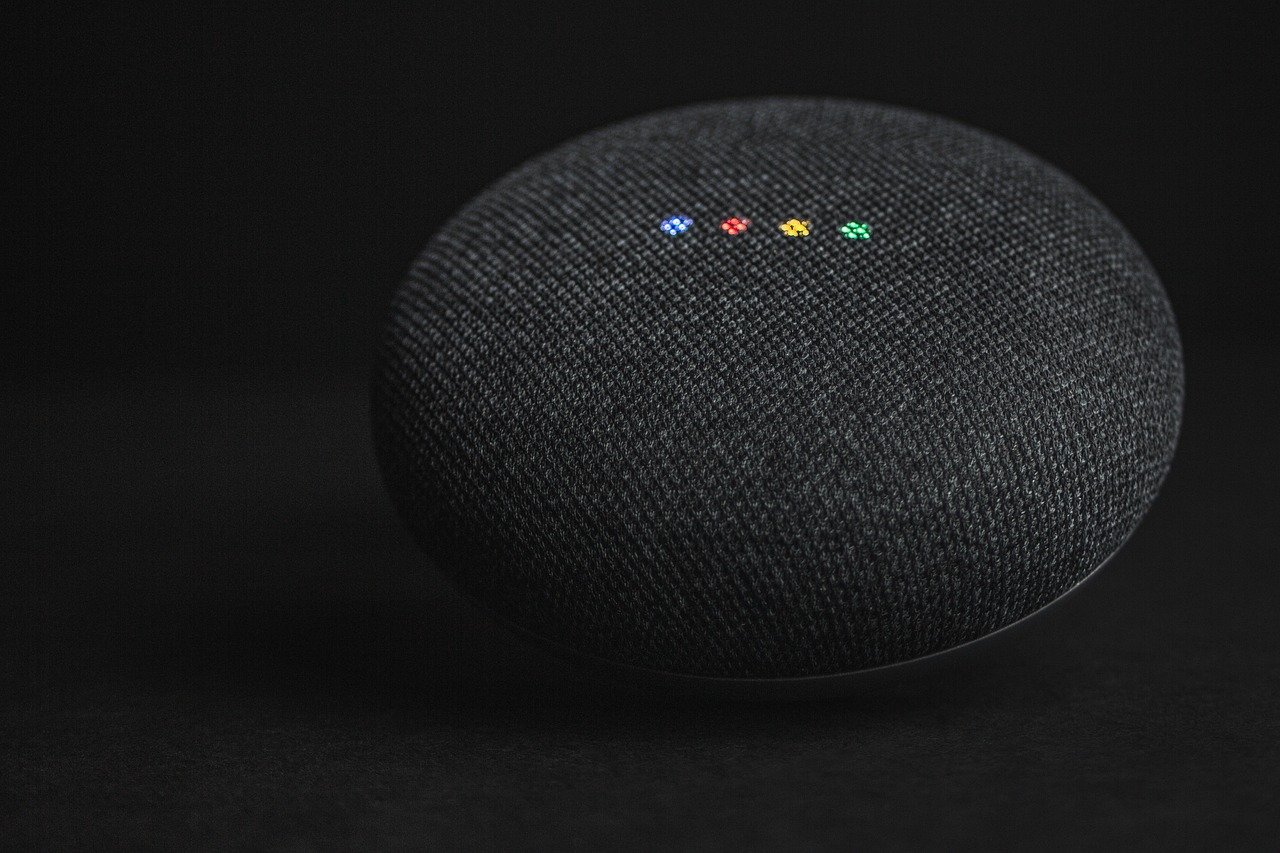
Amazon's Alexa Introduces AI-Powered Home Automat…
Amazon has recently launched a major update to its Alexa smart home assistant, introducing new AI-driven features aimed at improving home automation and providing users with a more personalized experience.

Amazon AWS Funds Gaxos AI Sales Platform Developm…
Caylent Appointed Development Partner to Lead AWS-Native Build for Gaxos Labs Roseland, NJ, Feb
AI Company
Launch your AI-powered team to automate Marketing, Sales & Growth

and get clients on autopilot — from social media and search engines. No ads needed
Begin getting your first leads today

Your News is ready
Your article is ready

Lorem ipsum dolor sit amet consectetur adipisicing elit. Fuga dolor minus maiores. Aut vero expedita dicta, dolorem odit excepturi odio doloremque voluptatem repellat aliquam? Dolores nemo eum id pariatur! Nobis!
Generating video takes longer than text.







