
Former Google Engineer Convicted for Stealing AI Trade Secrets for Chinese Firms

Brief news summary
Former Google software engineer Ding Linwei was convicted by a federal jury in San Francisco of stealing AI trade secrets to benefit two Chinese companies he secretly worked for, the US Department of Justice announced. The 38-year-old Chinese national was found guilty after an 11-day trial on seven counts of economic espionage and seven counts of theft of trade secrets, having stolen thousands of pages of confidential information. Each economic espionage charge carries up to 15 years in prison and a $5 million fine, while each theft of trade secrets charge carries up to 10 years and a $250,000 fine. Ding is set to appear at a status conference on February 3. Initially indicted in March 2024 on four counts, the charges were expanded in a superseding indictment filed in February. His lawyer has not yet responded to requests for comment.Former Google software engineer Ding Linwei was convicted by a federal jury in San Francisco on Thursday for stealing AI trade secrets from the US tech giant to benefit two Chinese companies he secretly worked for, the US Department of Justice announced on the same day. Ding, a 38-year-old Chinese national, was found guilty after an 11-day trial of seven counts of economic espionage and seven counts of theft of trade secrets, involving the theft of thousands of pages of confidential information. Each economic espionage charge carries a maximum prison sentence of 15 years and a fine of US$5 million, while each theft of trade secrets charge carries a maximum sentence of 10 years and a fine of US$250, 000. According to the DOJ, Ding is scheduled to appear at a status conference on February 3. A lawyer representing Ding, also known as Leon Ding, did not immediately respond to requests for comment. Ding was initially indicted in March 2024 on four counts of theft of trade secrets; a superseding indictment in February expanded these charges.
Watch video about
Former Google Engineer Convicted for Stealing AI Trade Secrets for Chinese Firms
Try our premium solution and start getting clients — at no cost to you

I'm your Content Creator.
Let’s make a post or video and publish it on any social media — ready?

Content Maker

Last news
The Best for your Business
Hot news

Caterpillar gets a big AI sales boost as tariffs …
In this article: By Abhinav Parmar and Nathan Gomes Jan 29 (Reuters) - Caterpillar's fourth-quarter results reflected trends in the global economy, with sales driven by a surge in artificial intelligence-related spending, even as the equipment giant warned investors of a tariff impact exceeding $2 billion in the upcoming year
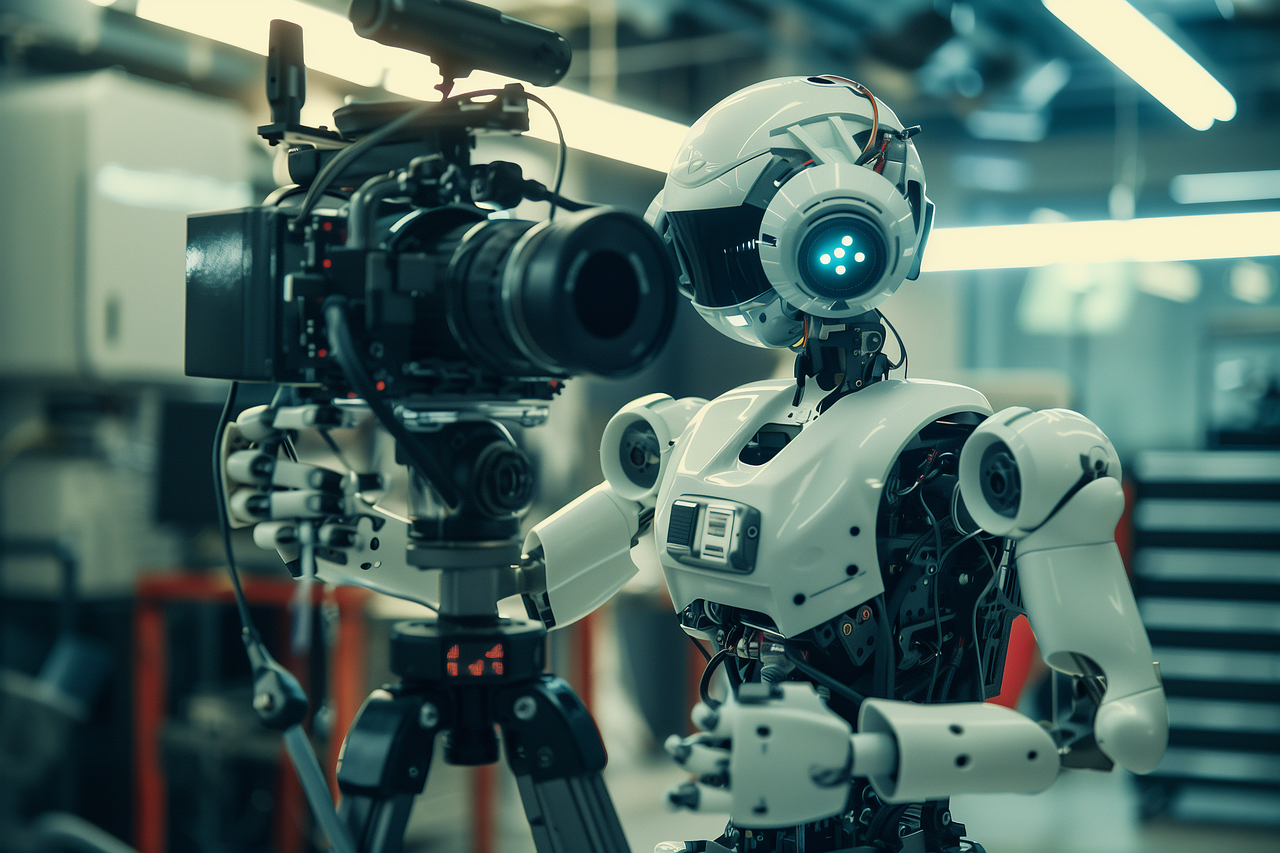
AI in Video Production: Streamlining Workflows an…
Artificial intelligence is transforming the entertainment industry by streamlining video production workflows, significantly cutting costs, and boosting overall efficiency.

AI marketing is driving me to distraction
For years, retailers have behaved like needy friends, sending emails that ping my phone with messages like, “Hi there! We’ve missed you.” Initially, these felt warm and personal, often signed by “Emma” or “Olivia” from marketing—actual people reaching out with enthusiastic goodwill.

The Future of Legal Marketing: AI, SEO, and Clien…
The future of legal marketing will be shaped not by firms with the biggest ad budgets, but by those delivering the most value to clients online.

TPS news rundown for Jan. 30 has truck sales, for…
Lucas: Hey everyone, Lucas here with today’s TPS Weekly News Roundup.
AI Video Compression Techniques Enhance Streaming…
In the fast-changing world of digital entertainment, streaming services are increasingly leveraging artificial intelligence to improve both the quality and efficiency of video delivery.

China Nonferrous to Acquire Brazilian Tin Miner A…
A subsidiary of China Nonferrous Mining Group has agreed to acquire shares in Brazilian tin producer Mineração Taboca, marking a strategic move amid growing demand for metals driven by technological advancements.
AI Company
Launch your AI-powered team to automate Marketing, Sales & Growth

and get clients on autopilot — from social media and search engines. No ads needed
Begin getting your first leads today

Your News is ready
Your article is ready

Lorem ipsum dolor sit amet consectetur adipisicing elit. Fuga dolor minus maiores. Aut vero expedita dicta, dolorem odit excepturi odio doloremque voluptatem repellat aliquam? Dolores nemo eum id pariatur! Nobis!
Generating video takes longer than text.







