

The Walt Disney Company has initiated a significant legal action against Google by issuing a cease-and-desist letter, accusing the tech giant of infringing on Disney’s copyrighted content during the training and development of generative artificial intelligence (AI) models without providing compensation. This move highlights escalating tensions between the technology and entertainment sectors over the use of copyrighted materials to drive AI advancements. According to the letter obtained by Axios, the dispute centers on Google’s use of Disney’s extensive creative content—including movies, TV shows, and other protected works—without obtaining licenses or permissions. Disney argues that this unauthorized exploitation constitutes willful copyright infringement, a concern heightened by the magnitude and possible consequences of Google’s actions. Disney’s letter stresses the company’s apprehension that Google has heavily relied on Disney’s proprietary content to develop AI technologies while reaping commercial benefits without compensating Disney. Legal representatives for Disney warn that such practices devalue intellectual property rights and establish a troubling precedent for creators across industries. Despite numerous attempts by Disney’s legal team to negotiate or resolve the matter, Google has allegedly not acted meaningfully or admitted any fault. This letter reflects the growing frustration among traditional content creators who are increasingly cautious about how major tech firms employ creative works to advance AI capabilities without fair and transparent licensing deals. In response, Google issued a statement affirming its commitment to a long-standing collaborative relationship with Disney. Google emphasized its respect for intellectual property rights and maintained that its use of third-party content complies with applicable laws and industry norms, signaling an intention to defend its practices while keeping dialogue open. This dispute arises amid broader scrutiny from entertainment companies regarding the use of copyrighted materials by AI developers.
As generative AI models become more advanced and commercially integrated, balancing innovation with the protection of creative rights becomes a complex challenge. Disney has a history of taking legal measures to protect its vast content library, and this recent cease-and-desist letter reaffirms its dedication to safeguarding intellectual property. The company’s assertive approach may intensify conflicts between content producers and tech firms exploring AI frontiers. Industry analysts view the Disney-Google conflict as emblematic of a larger debate shaping the future of creative content and technology. The case could establish key precedents about content owners' rights, AI developers’ responsibilities, and legal frameworks governing copyrighted materials in machine learning training datasets. The implications extend beyond Disney and Google, impacting artists, writers, and developers worldwide who rely on fair use and licensing protections to sustain their livelihoods while fostering innovation. Consequently, the case’s resolution will be closely monitored by stakeholders across entertainment, legal, and tech sectors. In summary, Disney’s legal challenge against Google over alleged unauthorized use of its works for AI training marks a pivotal moment in the evolving interplay between intellectual property law and artificial intelligence. It underscores the critical need for clear guidelines and fair agreements to ensure technological progress respects creative rights and provides appropriate compensation. This story is developing, and further updates will follow as more information emerges.
Disney Issues Cease-and-Desist to Google Over Unauthorized Use of Content in AI Training




As artificial intelligence (AI) advances and increasingly integrates into digital marketing, its influence on search engine optimization (SEO) is becoming significant.

MiniMax and Zhipu AI, two leading artificial intelligence companies, are reportedly preparing to go public on the Hong Kong Stock Exchange as early as January next year.

Denise Dresser, CEO of Slack, is set to leave her position to become Chief Revenue Officer at OpenAI, the company behind ChatGPT.
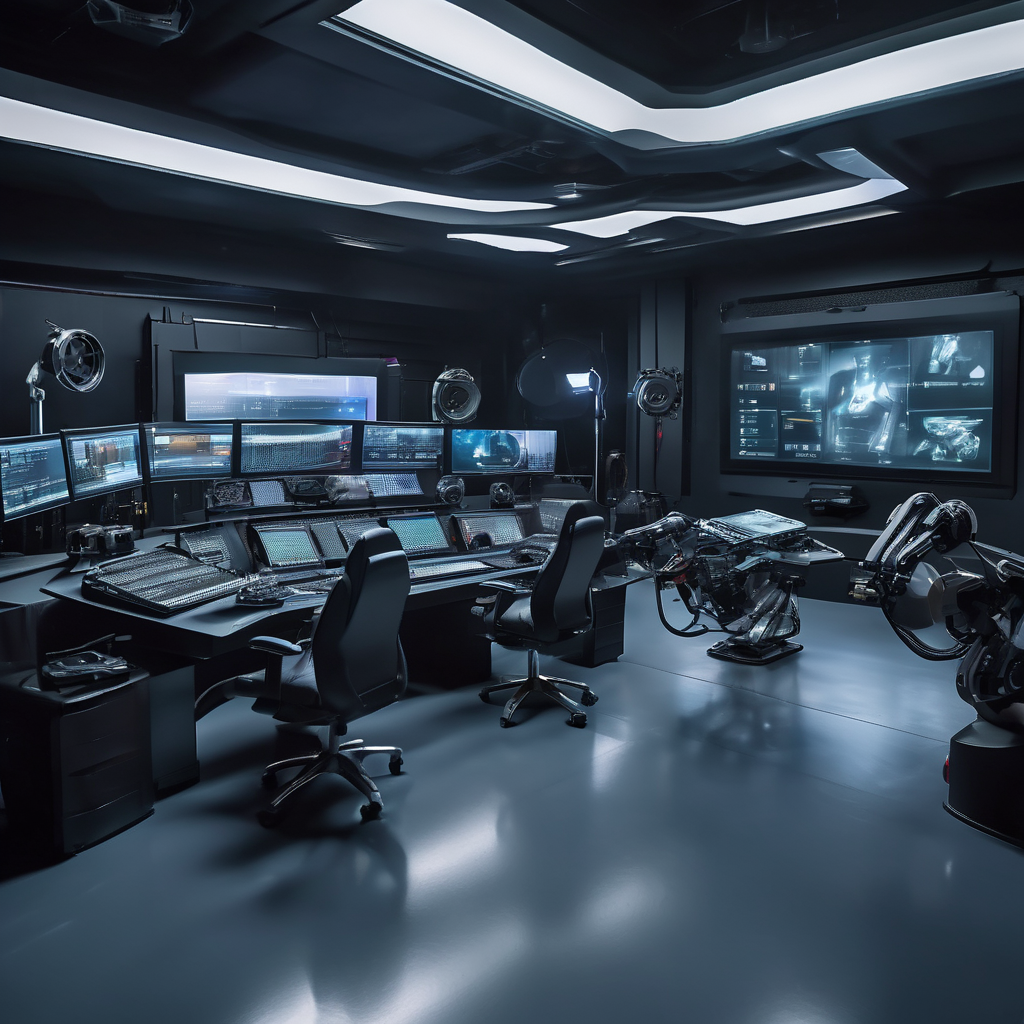
The film industry is experiencing a major transformation as studios increasingly incorporate artificial intelligence (AI) video synthesis techniques to improve post-production workflows.

AI is revolutionizing social media marketing by offering tools that simplify and enhance audience engagement.

The emergence of AI-generated influencers on social media signifies a major shift in the digital environment, sparking widespread debates about the authenticity of online interactions and the ethical concerns tied to these virtual personas.

Salesforce has announced a significant expansion of its Agentforce 360 platform by opening it to partners to develop and sell AI agents and applications.
Launch your AI-powered team to automate Marketing, Sales & Growth

and get clients on autopilot — from social media and search engines. No ads needed
Begin getting your first leads today


Lorem ipsum dolor sit amet consectetur adipisicing elit. Fuga dolor minus maiores. Aut vero expedita dicta, dolorem odit excepturi odio doloremque voluptatem repellat aliquam? Dolores nemo eum id pariatur! Nobis!

Create your own avatar to work for you — completely free of charge!
Sign up with Google


We've sent a confirmation email to
Please check your inbox and click the link to complete your registration
Didn’t receive it? Check your Spam or Promotions folder
and get clients without any advertising investment!

Create and publish viral social media content on autopilot



AI sales managers work 24/7, with no need for sleep, food, or breaks, and speak all languages.
You have unsubscribed from the mailing list recklessly but successfully.
We are not saying goodbye and look forward to seeing you again.