
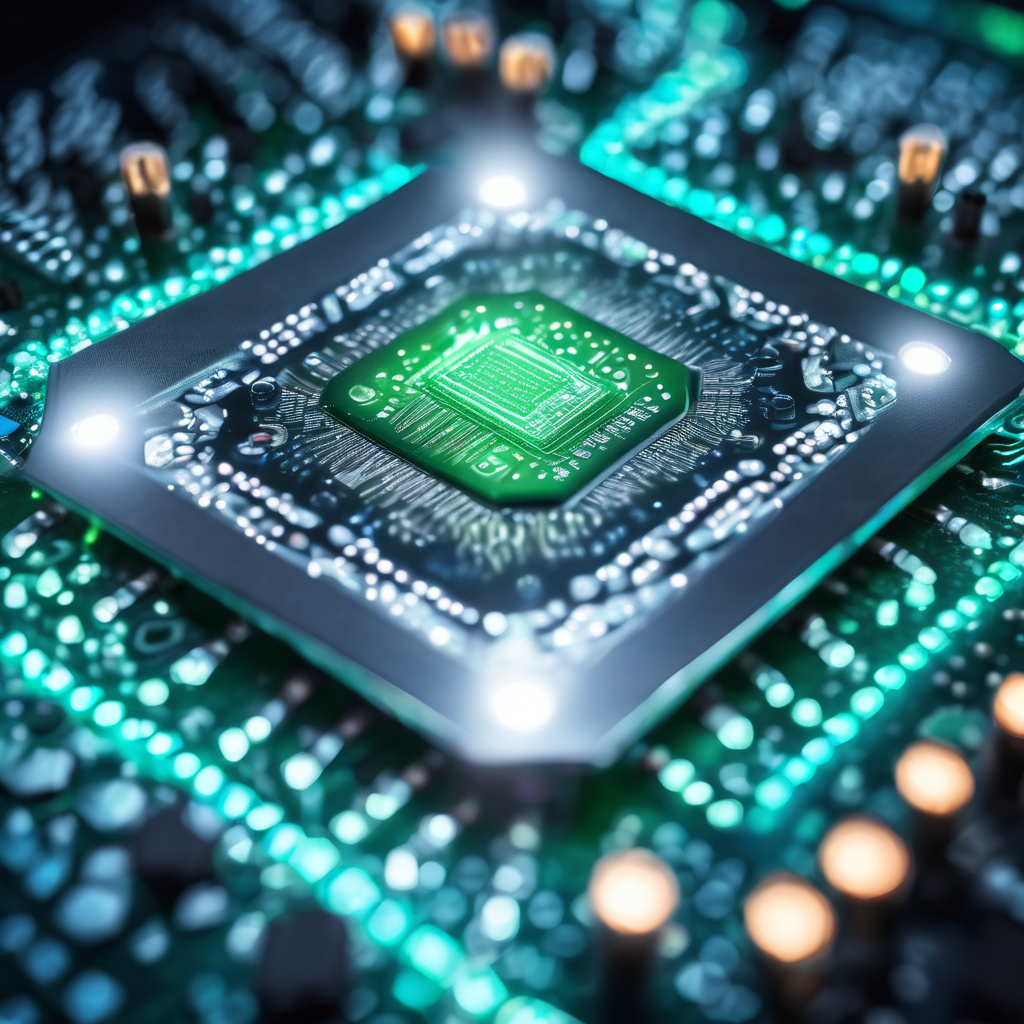
U. S. President Donald Trump’s decision to sell advanced AI chips, including Nvidia’s H200, to China has alarmed hawks in Washington. Former State Department official Chris McGuire called it “a transformational moment for U. S. technology policy, ” while Rush Doshi, a former National Security Council China specialist, warned that China’s engineering and electricity strengths could make exporting American hardware “possibly decisive in the AI race. ” Selling H200 chips marks a sharp departure from previous U. S. strategy, but its impact hinges on how many chips the administration allows China to purchase. Permitting millions risks overturning the AI race, but restricting sales and leveraging each shipment could temper effects significantly. This would mirror the administration’s approach to AI chip sales in the Middle East—making large announcements but slowly approving exports. Such a strategy could help Nvidia gain market share in China without surrendering America’s overall computing edge. However, any sales pose risks, like alienating key allies, and Trump seemingly made the announcement without securing concessions from China. Still, as with many Trump moves, the fallout may be less severe than initial reactions suggest. The H200, released in March 2024 as Nvidia’s flagship Hopper-generation chip, remains widely used for AI training and inference despite newer Blackwell chips. It’s about 30% more powerful than China’s best chip, Huawei’s Ascend 910C. China is unlikely to close this gap soon; Huawei projects matching the H200 won’t happen before late 2027, and Chinese production volume lags far behind U. S. firms. Public estimates suggest that in 2025 American companies will produce at least twenty times more high-performance chips than Chinese producers, rising to fifty times more in 2026. Selling H200 chips will undoubtedly spur China’s AI ambitions. Chinese developers are already advancing powerful AI models and gaining market share, but cite chip scarcity as a key bottleneck. Major tech firms like Alibaba and Tencent reportedly lobby the government for access to future H200 imports. The Trump administration hopes Nvidia’s sales to China will reduce revenue and R&D feedback for Chinese chipmakers, hindering their progress. Yet China’s commitment to an indigenous AI supply chain predates U. S. export restrictions, and the government plans to keep customers using Huawei products with foreign chips supplementing gaps. Critics see significant risks for U. S. AI dominance. Former national security adviser Jake Sullivan called the decision “nuts, ” claiming it hands away the U. S. advantage and that China’s leaders can’t believe their luck. Moreover, Trump’s announcement came without apparent Chinese concessions—his October meeting with President Xi Jinping yielded a trade truce but no chip deal—raising questions about the strategic logic of the delayed handover. Nevertheless, the move need not end American AI leadership. The critical factor is how many H200 chips China acquires. Modern AI demands vast computing power; top models require tens or hundreds of thousands of the latest chips. A national compute advantage compounds as more chips yield better AI, which generates more revenue for reinvestment in R&D. If China buys over 2 million chips next year with no restrictions, the U. S.
compute lead could shrink from over 10x to between 1. 2x and 5x, possibly letting Chinese firms surpass U. S. rivals. By contrast, limiting sales to a few hundred thousand would boost Chinese developers modestly while maintaining a significant U. S. advantage. Trump’s announcement indicated chips would be sold only to “approved” customers under conditions protecting national security. Though enforcement challenges exist domestically in China, this suggests the Commerce Department will maintain export licenses rather than fully lifting restrictions. License control enables regulation of sales volume, timing, and conditions, with the power to revoke authorizations instantly. Commerce could delay approvals until Beijing makes progress on other Trump administration priorities, such as rare earth exports or trade cooperation. This “big announcement, slow follow-up” tactic was used earlier with AI chip sales to the Middle East. In May, Trump promised millions of Nvidia chips to Saudi Arabia and the UAE, but six months later only 35, 000 had been approved for shipment, after U. S. officials demanded reciprocal investments and addressed national security concerns. A similar pattern could emerge with China. License approvals will involve negotiation among U. S. agencies, Nvidia, Chinese buyers, and possibly the Chinese government. Escalating Chinese provocations or Congressional pressure could halt or slow shipments. On China’s side, government scrutiny is already evident: the Ministry of State Security reportedly requires buyers to justify why Huawei chips cannot meet their needs. The government aims to sustain Huawei’s market despite demand for foreign chips, potentially creating further delays. Additionally, some H200 chips shipped may merely replace existing or smuggled inventories. China stockpiled chips before export controls tightened in October 2023, and smuggling and use of neighboring countries’ data centers (e. g. , Malaysia) have allowed access to restricted chips. Thus, small-scale sales may largely substitute for these channels rather than greatly expanding China’s compute power. Trump’s decision also imperils alliances. It undermines U. S. efforts to persuade allies like Japan, the Netherlands, and Taiwan to enforce technology restrictions on China, which have come at economic and diplomatic costs justified by a united front for national security. If the U. S. now permits advanced chip sales to China, these allies may question why they should continue bearing the costs of restrictive policies. Such allied cooperation is crucial to any strategy to maintain U. S. chip production leadership. If Trump aims to weaken Chinese chipmakers by letting Nvidia capture their customers, this must be paired with stricter limits on selling chipmaking equipment, especially deep ultraviolet immersion lithography machines. These machines, key to advanced chip manufacturing and produced by Dutch firm ASML, are currently restricted only to some Chinese companies. But the Dutch government may be reluctant to introduce stronger measures given uncertainties in U. S. China policy and perceived U. S. skepticism of European unity. Alternatively, Trump may be seeking a broader rapprochement with China, envisioning a global order dominated by great powers. For worried China hawks and eager Chinese developers alike, the lesson remains: Trump’s grand announcements often overpromise and underdeliver when it comes to real outcomes and agreements.
Trump's Controversial Decision to Sell Nvidia H200 AI Chips to China Shakes U.S. Tech Policy



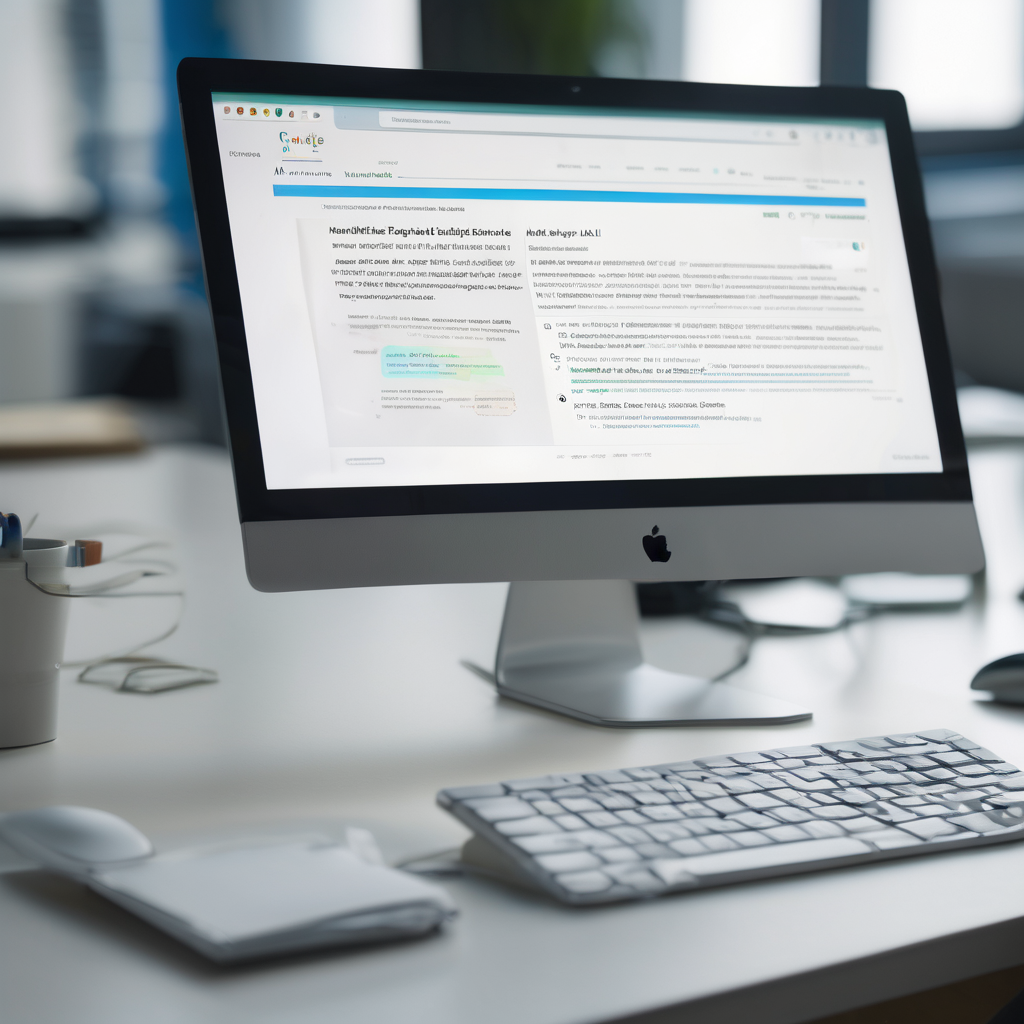
Google’s AI Overviews feature has experienced remarkable growth, now appearing in over half of all search results.
SecureAI Technologies has launched an innovative cybersecurity system that uses advanced machine learning algorithms to detect and counter cyber threats in real time.
The rising influence of artificial intelligence (AI) defined 2025, with the MarTech sector reflecting this trend as B2B marketers increasingly integrated AI into their workflows.

Holiday shopping has often felt like a “chore” for Amrita Bhasin, a 24-year-old retail tech CEO.
Fallout’s season one recap incorrectly claimed that The Ghoul’s flashback occurs in the 1950s, when in fact it takes place in the year 2077.
OpenAI is set to launch GPT-5, the newest advancement in its language model series, in early 2026.
The digital marketing landscape is rapidly evolving, led by 21-year-old Giles Bailey, a university dropout who transformed himself into an AI marketing strategist.
Launch your AI-powered team to automate Marketing, Sales & Growth

and get clients on autopilot — from social media and search engines. No ads needed
Begin getting your first leads today


Lorem ipsum dolor sit amet consectetur adipisicing elit. Fuga dolor minus maiores. Aut vero expedita dicta, dolorem odit excepturi odio doloremque voluptatem repellat aliquam? Dolores nemo eum id pariatur! Nobis!

Create your own avatar to work for you — completely free of charge!
Sign up with Google


We've sent a confirmation email to
Please check your inbox and click the link to complete your registration
Didn’t receive it? Check your Spam or Promotions folder
and get clients without any advertising investment!

Create and publish viral social media content on autopilot



AI sales managers work 24/7, with no need for sleep, food, or breaks, and speak all languages.
You have unsubscribed from the mailing list recklessly but successfully.
We are not saying goodbye and look forward to seeing you again.