The Ethical Debate Over AI-Generated Models in the Fashion Industry
Brief news summary
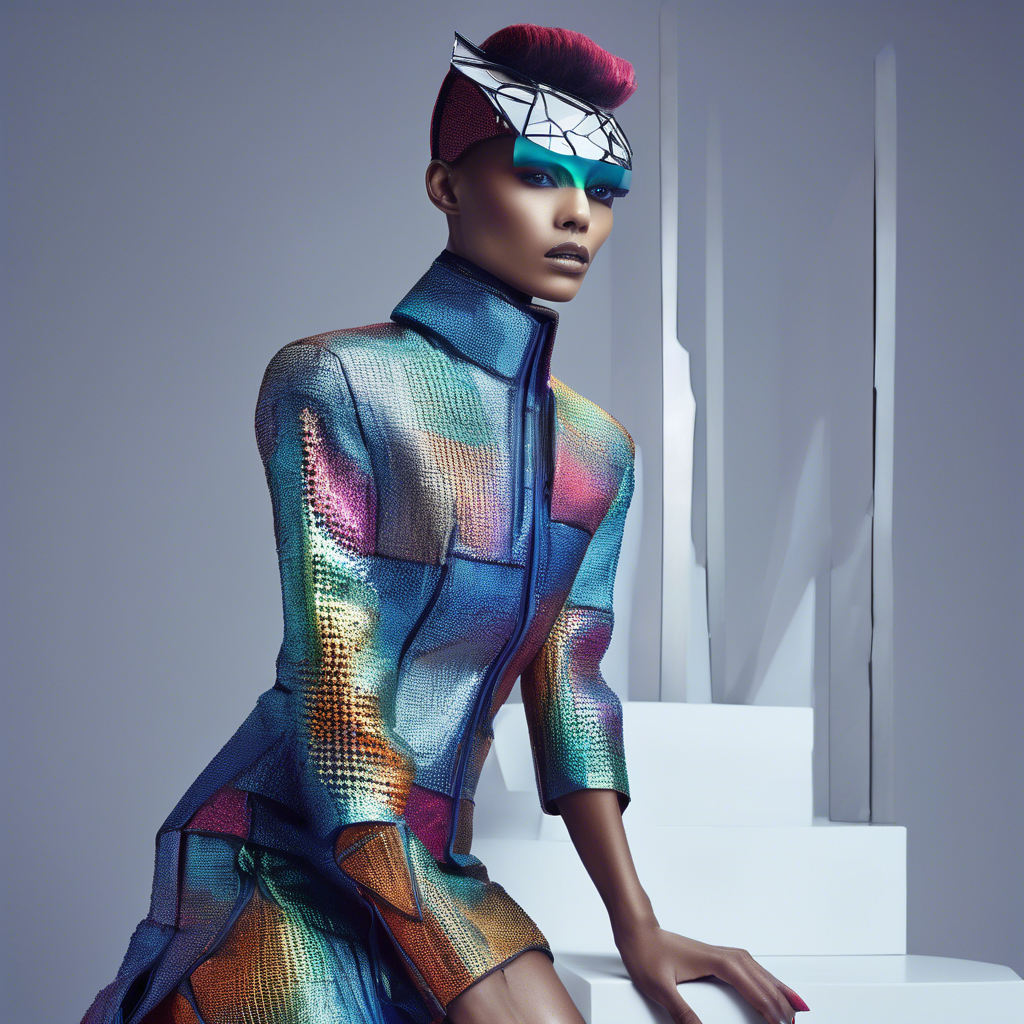
The rise of artificial intelligence (AI) in fashion has sparked ethical and social debates. AI-generated models—hyper-realistic virtual figures embodying idealized beauty—raise concerns about job losses for professional models and creatives, as well as reinforcing unattainable beauty standards that may harm consumer self-esteem. Critics worry about the displacement of human talent and perpetuation of harmful ideals, while supporters emphasize AI’s innovative potential, cost efficiency, and ability to boost diversity without logistical limits. Transparency and authenticity issues arise, since undisclosed AI use can erode consumer trust. In response, industry leaders are developing guidelines for clearly labeling AI-generated content and promoting inclusivity, aiming to ensure AI complements rather than replaces human creativity. Balancing technological progress with ethical responsibility and preserving human artistry is essential for fashion’s sustainable future as AI reshapes advertising and design.The rise of artificial intelligence (AI) in the fashion industry has ignited intense debate among critics, creators, and consumers. A recent advertising campaign featuring AI-generated models has revived concerns about the ethical and social impacts of incorporating AI into traditionally human-driven creative fields. The core issue involves fears that AI reduces opportunities for real-life models and creatives while promoting unrealistic beauty standards long criticized in fashion and media. This campaign, created by a prominent fashion brand, uses AI-generated imagery to showcase models that do not exist in reality. These virtual models are crafted with sophisticated algorithms, producing hyper-realistic facial features and body proportions that embody idealized aesthetics often beyond natural human attainability. Proponents argue that AI models enable innovative artistic expression, cost savings, and democratize fashion by allowing brands to create diverse, visually compelling campaigns without the complexities of real-world shoots. Conversely, critics highlight several negative outcomes. A primary concern is the displacement of professional models, photographers, stylists, and other creatives whose jobs depend on conventional fashion campaigns. Replacing human models with AI threatens to marginalize a vulnerable workforce facing automation and demand fluctuations. Moreover, the spread of AI-generated models reinforces unattainable beauty ideals—flawless skin, symmetry, and exaggerated figures—that do not reflect natural human diversity. This intensifies social pressures, especially on young audiences who may internalize these standards, risking body dysmorphia and low self-esteem. The ethical debate also touches on authenticity and transparency.
Consumers increasingly expect brands to disclose when images are manipulated or artificially created. Undisclosed use of AI models can be seen as deceptive, eroding trust and blurring reality and fabrication. Industry stakeholders are addressing these issues; some agencies and fashion houses propose guidelines mandating clear identification of AI-generated models and promoting inclusive, diverse beauty representations. Others suggest using AI to complement rather than replace human creativity. This controversy mirrors broader societal shifts as technology intertwines with creative professions. As AI advances, the fashion industry must make critical decisions to integrate these tools ethically and sustainably while preserving human artistry. The ongoing discourse highlights that although AI provides unprecedented possibilities in image creation and marketing, it also poses significant challenges related to employment, social norms, and consumer trust. Ultimately, designers, models, marketers, and consumers must engage in continuous dialogue to responsibly navigate these complexities. As AI-generated fashion advertising becomes more common, addressing concerns about job loss and unrealistic beauty standards is vital. By promoting transparency, inclusivity, and collaboration between human creativity and technological innovation, the fashion industry can pursue a future that balances progress with respect for humanity.
Watch video about
The Ethical Debate Over AI-Generated Models in the Fashion Industry
Try our premium solution and start getting clients — at no cost to you