

At the recent Reuters NEXT conference in New York, Robby Stein, Google's Vice President of Product for Search, spoke openly about the changing landscape of search technology and addressed growing concerns about how AI-powered search features might affect web publishers and Google's advertising business. As AI integration becomes a key element of modern search experiences, questions have arisen over whether these innovations could reduce website traffic or undermine traditional ad revenue models. Stein reassured the audience by emphasizing that Google still generates an enormous number of outbound clicks daily, demonstrating strong user engagement with external sites. This highlights the ongoing vitality of the traditional web ecosystem even as new search capabilities emerge. Moreover, Stein noted that new search formats—such as those using visual input from mobile phone cameras and handling more complex queries—are not simply replacing older search methods but are enhancing them while driving greater online interaction. These advances, he explained, signify a fundamental shift in user engagement with search technology, comparable to the major transition from desktop to mobile computing over the past decade. He suggested that just as advertising successfully adapted to the mobile era, it will likewise evolve to integrate effectively within AI-powered conversational experiences. This outlook promotes a forward-looking mindset focused on adaptation and innovation rather than disruption or decline. The integration of AI into search is multifaceted. AI improves not only the accuracy and relevance of search results but also enriches the user experience by enabling more natural, intuitive ways to interact with information.
Visual search capabilities take advantage of the ubiquity of smartphones, allowing users to explore content simply by snapping photos or using augmented reality features. Similarly, AI’s capacity to understand and respond to complex queries unlocks deeper, personalized insights that foster richer engagement. According to Stein, Google’s approach involves carefully balancing the embrace of technological progress with the preservation of the ecosystem supporting publishers and advertisers. This strategy reflects a recognition that the value of search goes beyond delivering information to sustaining the broader digital economy. Web publishers continue benefiting from steady traffic and visibility, while advertisers gain access to engaged audiences through evolving formats. Stein’s cautious optimism points to a future in which AI-powered search and traditional web practices coexist symbiotically. Rather than viewing AI as a threat, stakeholders are encouraged to see it as a transformative tool opening new paths for content discovery and monetization. As conversational AI becomes increasingly sophisticated, advertising is expected to integrate seamlessly, offering personalized and engaging experiences that resonate with users. In summary, Robby Stein’s remarks at the Reuters NEXT conference illuminate Google’s vision for search’s future. By maintaining significant outbound click volumes and expanding user interaction through AI-driven features, Google aims to stay at the forefront of digital innovation. The shift toward AI-powered search is characterized not by displacement but by evolution—one that promises opportunities for publishers, advertisers, and users alike in the rapidly evolving digital landscape.
Google’s VP on AI-Powered Search Evolution and Its Impact on Publishers and Advertisers




The Reuters NEXT conference in New York served as a vital forum for industry leaders, economists, and policymakers to examine the rapid evolution and impact of artificial intelligence (AI).

AI video synthesis is revolutionizing the creation of virtual environments by enabling the production of highly realistic video content directly from 3D models and simulations.

During the 2024 holiday season, artificial intelligence significantly fueled online retail growth in the United States, with AI-driven chatbots playing a crucial role in enhancing consumer engagement and boosting sales.

As artificial intelligence continues to transform marketing, 2025 is expected to see AI-powered tools become central to marketing strategies.
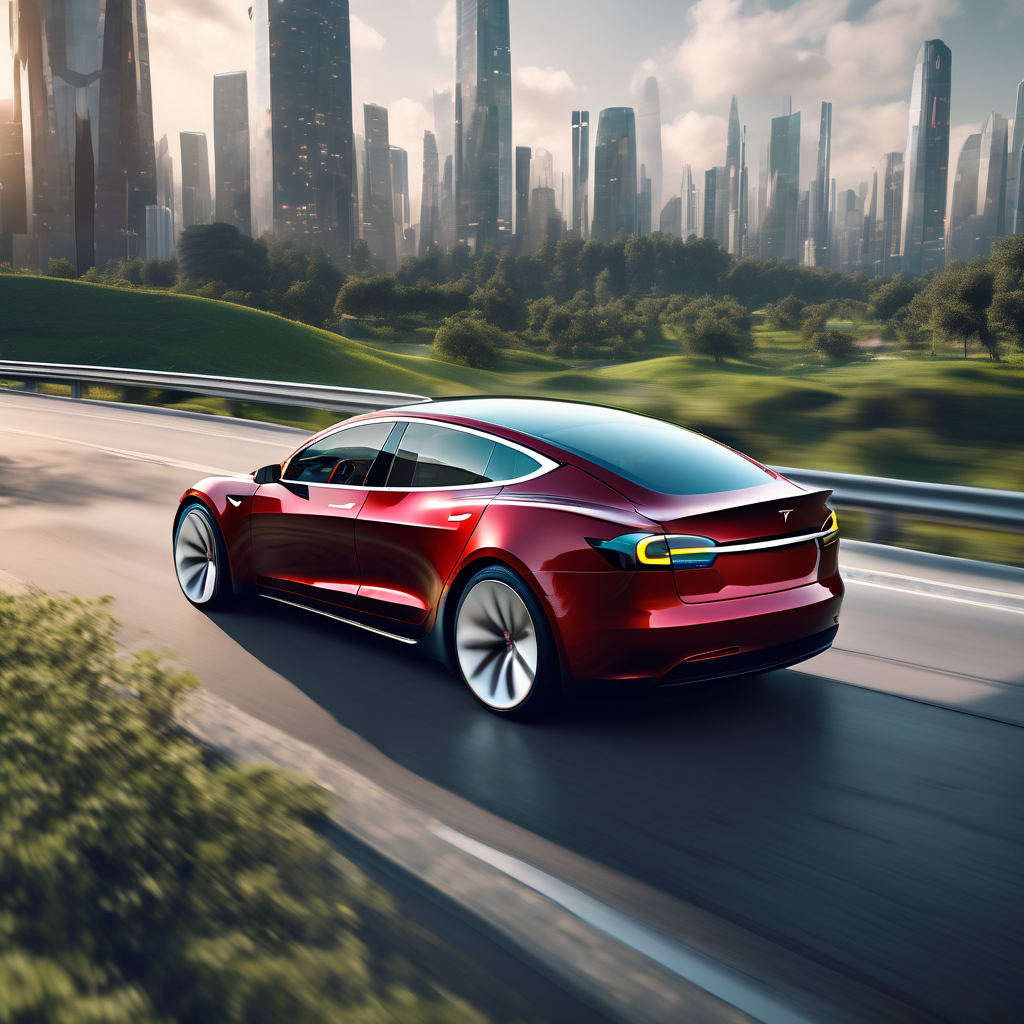
Tesla has revealed its newest update to the Autopilot system, featuring advanced AI-driven enhancements designed to significantly improve vehicle safety and driving comfort.

Throughout 2025, search evolved rapidly as AI systems became a primary means for discovering information, disrupting traditional organic traffic patterns and reducing their consistency and predictability for many brands.

In today’s rapidly growing digital landscape, artificial intelligence (AI) tools for video content moderation are becoming essential for improving online safety.
Launch your AI-powered team to automate Marketing, Sales & Growth

and get clients on autopilot — from social media and search engines. No ads needed
Begin getting your first leads today


Lorem ipsum dolor sit amet consectetur adipisicing elit. Fuga dolor minus maiores. Aut vero expedita dicta, dolorem odit excepturi odio doloremque voluptatem repellat aliquam? Dolores nemo eum id pariatur! Nobis!

Create your own avatar to work for you — completely free of charge!
Sign up with Google

We've sent a confirmation email to
Please check your inbox and click the link to complete your registration
Didn’t receive it? Check your Spam or Promotions folder
and get clients without any advertising investment!

Create and publish viral social media content on autopilot



AI sales managers work 24/7, with no need for sleep, food, or breaks, and speak all languages.
You have unsubscribed from the mailing list recklessly but successfully.
We are not saying goodbye and look forward to seeing you again.