
Congress Moves to Oversee AI Chip Exports to China Amid Nvidia Sales Controversy
Brief news summary
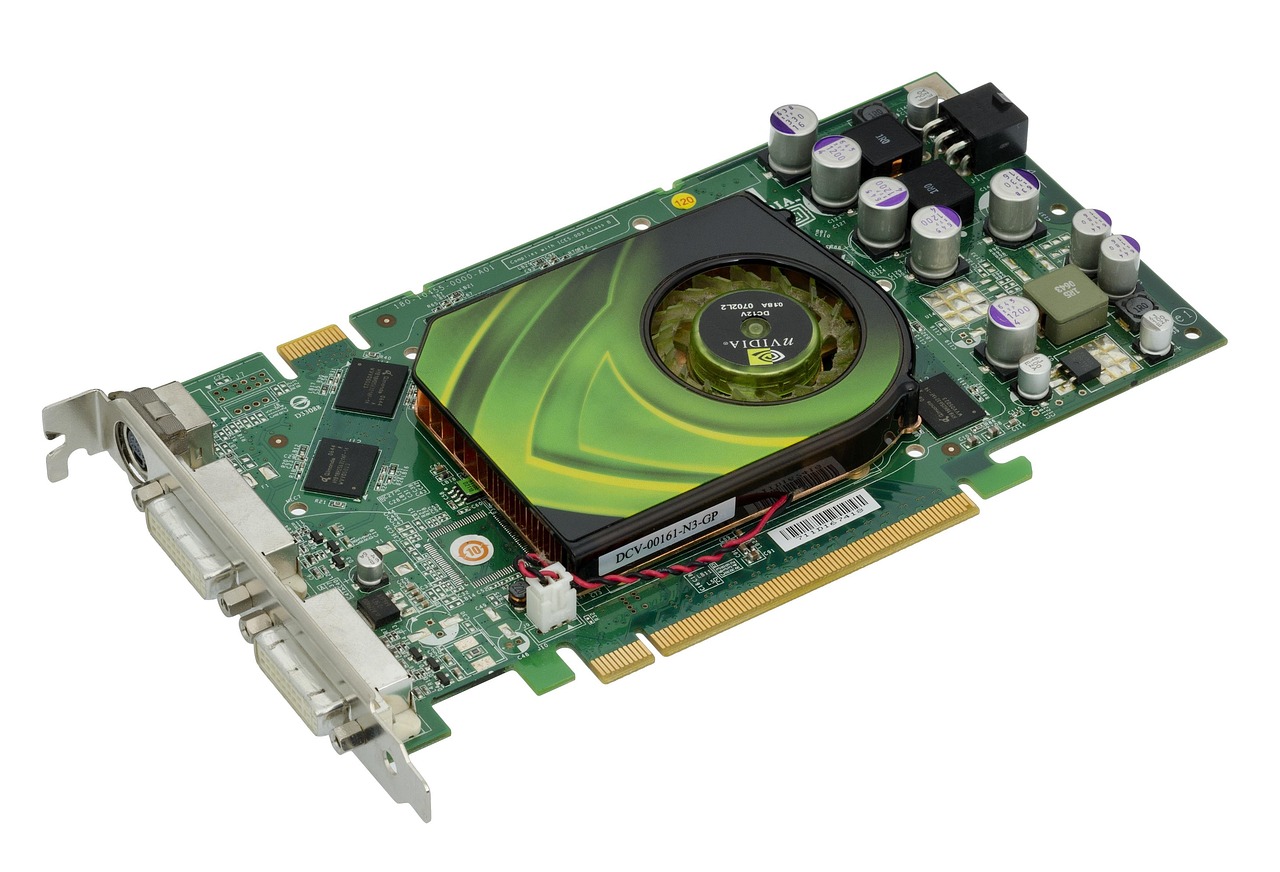
Congress is advancing bipartisan legislation to tighten oversight of AI chip exports to China, reversing the earlier Trump administration’s approval of Nvidia’s H200 processor sales. The House Foreign Affairs Committee approved a bill imposing strict congressional review—similar to arms export controls—on advanced AI chip exports. The legislation bans sales of Nvidia’s Blackwell chips to China for at least two years, formalizing current export restrictions into law. This reflects a shift from prior, more lenient policies aimed at promoting global AI adoption but which raised national security concerns. Passed 42-2, the bill now heads to the House floor as the Senate considers separate measures to block H200 sales. It requires the administration to notify Congress before approving AI chip exports to adversaries like China, Russia, and Iran, granting Congress veto authority. The bill exempts trusted U.S. AI firms selling to allies and calls for a national strategy to sustain U.S. leadership in AI technology.Congress is moving closer to obtaining the authority to oversee artificial intelligence chip sales to China, a step likely to create conflict with the Trump administration over its plan to allow Nvidia Corp. to sell its powerful H200 processors to the world’s second-largest economy. A House foreign affairs committee approved bipartisan legislation on Wednesday that calls for congressional oversight of advanced AI chip exports similar to arms sales. Beyond oversight, the bill, supported by both Republicans and Democrats on the panel, would impose a two-year ban on sales of Nvidia’s more advanced Blackwell chips to China, effectively codifying current export controls into law. The bill responds to President Donald Trump’s decision last month to ease long-standing export controls on China. This move aimed to promote adoption of American AI technology worldwide but sparked strong opposition from national security hawks in Congress. Trump’s approval of Nvidia’s H200 sales to Chinese customers was formalized last week through a new Commerce Department rule. The committee passed the bill by a 42-2 vote, and the legislation now moves to the House floor for a vote. While the Senate has yet to release a companion bill, lawmakers there have introduced separate legislation that would effectively block H200 sales. “I have been so worried that the president wouldn’t stop at just H200s, ” Representative Gregory Meeks, the committee’s top Democrat, said Wednesday.
He emphasized that lawmakers want to "send a clear message that our national security, our foreign policy, and our technological crown jewels are not for sale. " Under the proposed legislation, the administration would be required to notify Congress before approving sales of advanced AI chips, granting lawmakers the power to review and potentially block export licenses to China, Russia, Iran, and other adversaries through a joint resolution. The bill also allows members of the House Foreign Affairs and Senate Banking committees to access data on the volume of chips intended for export and the identities of buyers. Additionally, the legislation establishes exemptions for so-called “trusted” U. S. AI companies to receive licenses when exporting chips to U. S. allies and neutral countries—an approach praised by Microsoft executive Fred Humphries—and mandates the administration to submit a strategy outlining its policy to maintain the U. S. lead in the AI race.
Watch video about
Congress Moves to Oversee AI Chip Exports to China Amid Nvidia Sales Controversy
Try our premium solution and start getting clients — at no cost to you

I'm your Content Creator.
Let’s make a post or video and publish it on any social media — ready?

Content Maker

Last news
The Best for your Business
Hot news

AI-Driven Social Media Crisis Management
In recent years, artificial intelligence (AI) has become essential for organizations managing their social media presence.

AI Video Surveillance Systems Improve Public Safe…
In recent years, urban areas worldwide have increasingly adopted artificial intelligence (AI)-powered video surveillance systems as a key element of public safety strategies.

Coca-Cola's AI-Generated Holiday Ads Face Backlash
In November 2024, global beverage leader Coca-Cola garnered attention by incorporating artificial intelligence (AI) into producing three commercials for its annual holiday campaign.
Cerebras Unveils CS-3 Supercomputer, Achieving 8 …
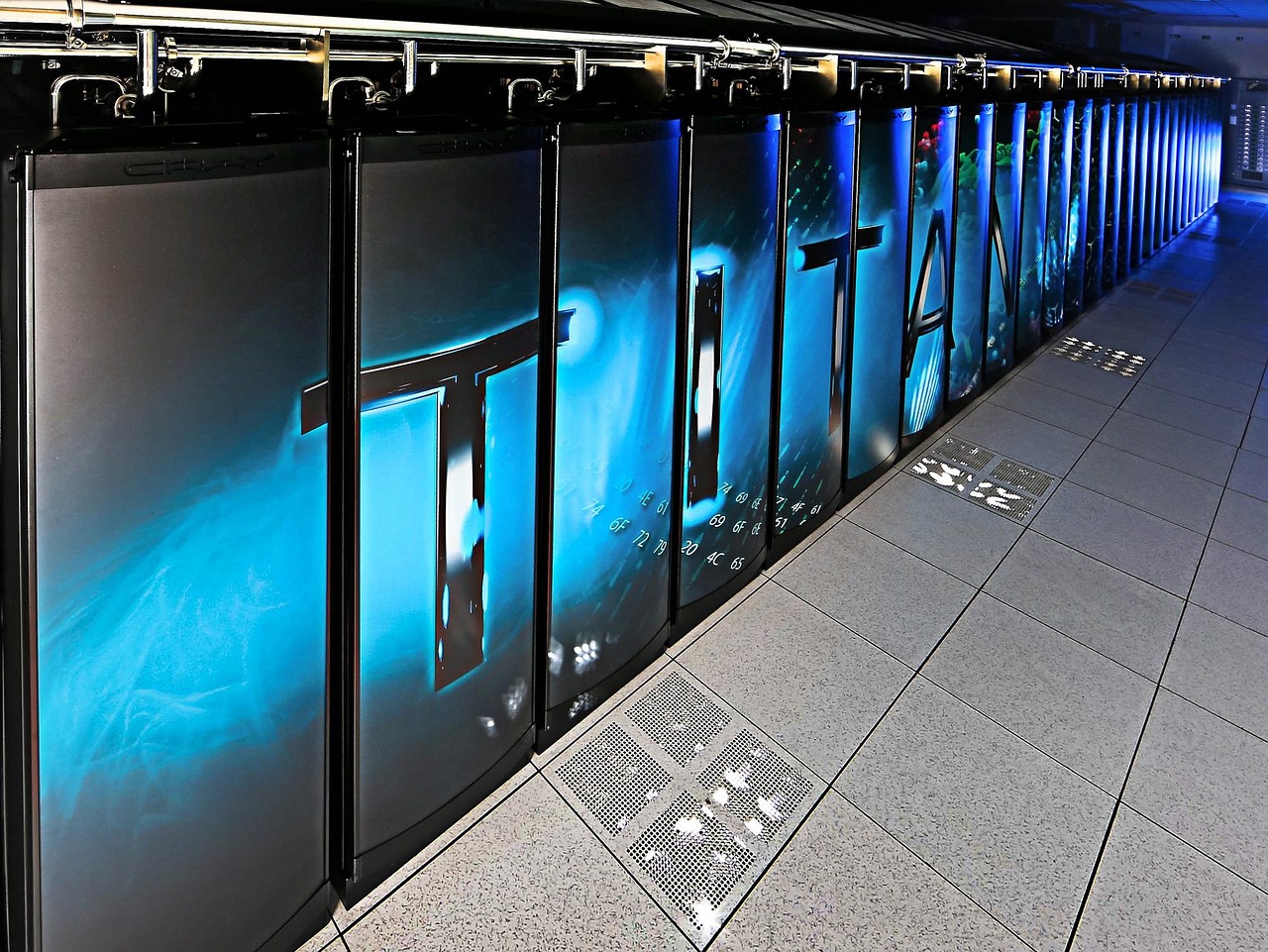
Cerebras Systems has unveiled the CS-3 supercomputer, a groundbreaking advancement in AI computing that delivers an impressive 8 exaFLOPs of performance, ranking it among the most powerful AI supercomputers today.

How I Learned to Adapt When Google’s AI Changed t…
I still recall the moment I realized SEO had fundamentally changed—not with a dramatic crash or warning, but through a gradual, unsettling trend where once-high-ranking pages slipped while more thoughtful, human-centered content rose.

Data Shows AI Overviews Disappears On Certain Kin…
New data from BrightEdge reveals how finance-related queries perform regarding AI Overviews (AIO), highlighting clear areas where AIO presence remains strong and others where Google is pulling back.

Bluefish AI Raises $20M in Series A Funding
Bluefish AI, a New York-based marketing technology company, has raised $20 million in a Series A funding round led by NEA (New Enterprise Associates), a global venture capital firm.
AI Company
Launch your AI-powered team to automate Marketing, Sales & Growth

and get clients on autopilot — from social media and search engines. No ads needed
Begin getting your first leads today

Your News is ready
Your article is ready

Lorem ipsum dolor sit amet consectetur adipisicing elit. Fuga dolor minus maiores. Aut vero expedita dicta, dolorem odit excepturi odio doloremque voluptatem repellat aliquam? Dolores nemo eum id pariatur! Nobis!
Generating video takes longer than text.







