
How Google AI SEO Services Transform Content Strategy with Human-Centered Optimization

Brief news summary
I realized SEO had fundamentally changed gradually, as content that once ranked well began to slip while thoughtful, human-centered content rose. Google evolved beyond keywords to understanding user intent, making traditional SEO tactics outdated. This shift pushed me to embrace AI-driven SEO services that reshape visibility and trust by focusing on meaning rather than technical checklists. AI evaluates how content answers real questions, rewarding clarity, relevance, and genuine value over keyword stuffing. Writing now emphasizes natural flow, connection, and context, with trust becoming a vital ranking factor—honest, restrained content ranks better than promotional language. SEO success depends on aligning with user behavior and engagement, writing for people first, not algorithms. The future of SEO is adaptive, evolving with users, and valuing authentic effort and insight. Embracing AI-driven SEO is essential to improve rankings and foster meaningful online communication.I still recall the moment I realized SEO had fundamentally changed—not with a dramatic crash or warning, but through a gradual, unsettling trend where once-high-ranking pages slipped while more thoughtful, human-centered content rose. It became clear: Google was no longer just ranking keywords; it was interpreting intent. Having worked extensively with digital content and search performance, I had to adapt. Traditional SEO tactics felt outdated and mechanical as AI transformed how visibility, trust, and growth are built through Google AI SEO Services. This change wasn’t about chasing algorithms—it was about understanding how Google’s AI thinks. **When SEO Became Human, Not Just Technical** SEO used to be a checklist—keyword density, backlinks, metadata, internal links—all measurable elements. But AI-driven search no longer assesses pages that way; it assesses meaning. Google’s AI evaluates how content genuinely answers questions, how smoothly ideas flow, and whether it is truly helpful. Content created solely to rank struggled, while content with clarity, depth, and honesty excelled. This insight reshaped my approach: I stopped forcing keywords and focused on storytelling, experience, and relevance. Google AI SEO Services emerged not simply as a tactic, but as a philosophy. **Inside AI SEO: It’s About Alignment, Not Shortcuts** AI-based SEO demands alignment with user behavior—not shortcuts. Google’s AI interprets engagement signals like time on page and interaction to gauge value. Simplifying content to answer core questions clearly and adding personal insight boosted rankings and engagement. This reflects AI’s ability to assess quality through human interaction. Modern AI SEO emphasizes semantic relevance, topical authority, and matching user intent. The question moved from “How often did I use this keyword?” to “Did I truly help someone?” **Content Strategy’s Growing Importance** AI rewards clarity over noise. This forced me to unlearn old habits: filler content and arbitrary word counts no longer work.
Successful content now has natural structure, clear introductions, logical subsections, and conversational language. Search engines evaluate content as part of broader conversations—isolated pages falter, while those connecting ideas and showing understanding perform better. AI-focused SEO merges seamlessly with content strategy, bridging technical optimization and meaningful communication. **Trust Emerged as a Key Ranking Factor** A vital yet underrated shift is the role of trust. Google’s AI assesses credibility based on consistency, expertise, and tone. Overly promotional or exaggerated content loses impact. Writing with restraint—explaining rather than persuading, guiding rather than pushing—builds trust, which AI recognizes through user patterns. Effective Google AI SEO Services prioritize positioning brands as reliable sources rather than relying on gimmicks or heavy optimization. **Writing for People, Not Just Algorithms** Breaking the habit of writing “for Google” was challenging but rewarding. AI systems mirror human preferences, so if people find content enjoyable, AI rewards it. I now ask before every piece: Would I read this if rankings didn’t matter?If not, it needs reworking. This mindset fueled better results, aligning my efforts with updates instead of chasing or fearing them. Modern Google AI SEO Services help businesses communicate in a way that resonates with intelligent search. **The Future of SEO Is Adaptive** SEO is dynamic, evolving alongside user behavior. AI quickly exposes shortcuts while favoring thoughtful, genuine strategies. Success lies not in tricking algorithms but understanding and respecting them. My experience taught me that AI rewards authenticity—content that respects readers and strategies grounded in insight, not imitation. Those who adapt early will maintain visibility longer. Embracing AI-driven SEO was essential for me, and once I accepted this, everything became clearer. Ultimately, the power of well-executed Google AI SEO Services goes beyond improving rankings—they enhance how we communicate online.
Watch video about
How Google AI SEO Services Transform Content Strategy with Human-Centered Optimization
Try our premium solution and start getting clients — at no cost to you

I'm your Content Creator.
Let’s make a post or video and publish it on any social media — ready?

Content Maker

Last news
The Best for your Business
Hot news

House Seeks Say Over AI Chip Sales After Nvidia’s…
Congress is moving closer to obtaining the authority to oversee artificial intelligence chip sales to China, a step likely to create conflict with the Trump administration over its plan to allow Nvidia Corp.

AI-Driven Social Media Crisis Management
In recent years, artificial intelligence (AI) has become essential for organizations managing their social media presence.

AI Video Surveillance Systems Improve Public Safe…
In recent years, urban areas worldwide have increasingly adopted artificial intelligence (AI)-powered video surveillance systems as a key element of public safety strategies.

Coca-Cola's AI-Generated Holiday Ads Face Backlash
In November 2024, global beverage leader Coca-Cola garnered attention by incorporating artificial intelligence (AI) into producing three commercials for its annual holiday campaign.
Cerebras Unveils CS-3 Supercomputer, Achieving 8 …
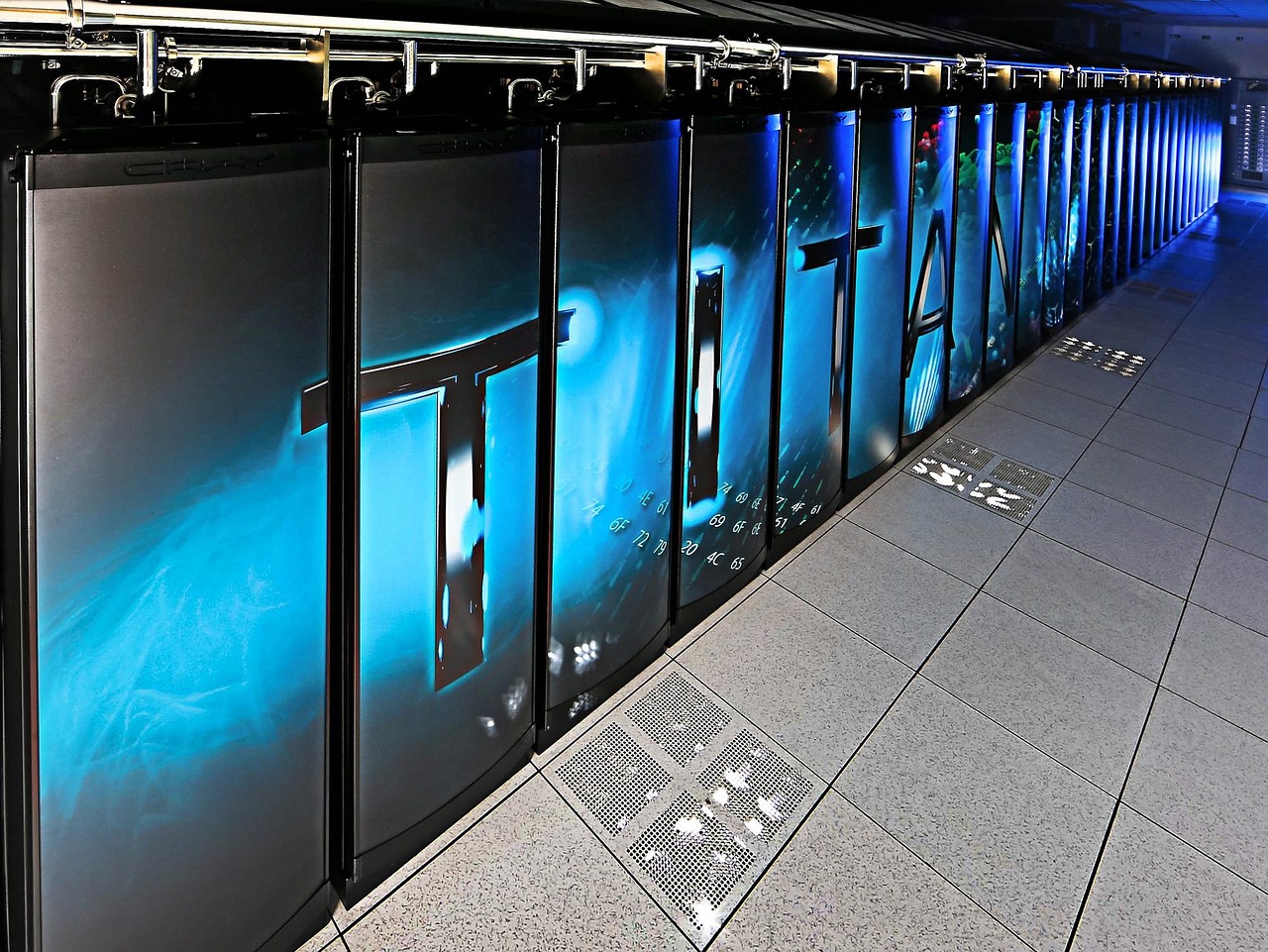
Cerebras Systems has unveiled the CS-3 supercomputer, a groundbreaking advancement in AI computing that delivers an impressive 8 exaFLOPs of performance, ranking it among the most powerful AI supercomputers today.

Data Shows AI Overviews Disappears On Certain Kin…
New data from BrightEdge reveals how finance-related queries perform regarding AI Overviews (AIO), highlighting clear areas where AIO presence remains strong and others where Google is pulling back.

Bluefish AI Raises $20M in Series A Funding
Bluefish AI, a New York-based marketing technology company, has raised $20 million in a Series A funding round led by NEA (New Enterprise Associates), a global venture capital firm.
AI Company
Launch your AI-powered team to automate Marketing, Sales & Growth

and get clients on autopilot — from social media and search engines. No ads needed
Begin getting your first leads today

Your News is ready
Your article is ready

Lorem ipsum dolor sit amet consectetur adipisicing elit. Fuga dolor minus maiores. Aut vero expedita dicta, dolorem odit excepturi odio doloremque voluptatem repellat aliquam? Dolores nemo eum id pariatur! Nobis!
Generating video takes longer than text.







