
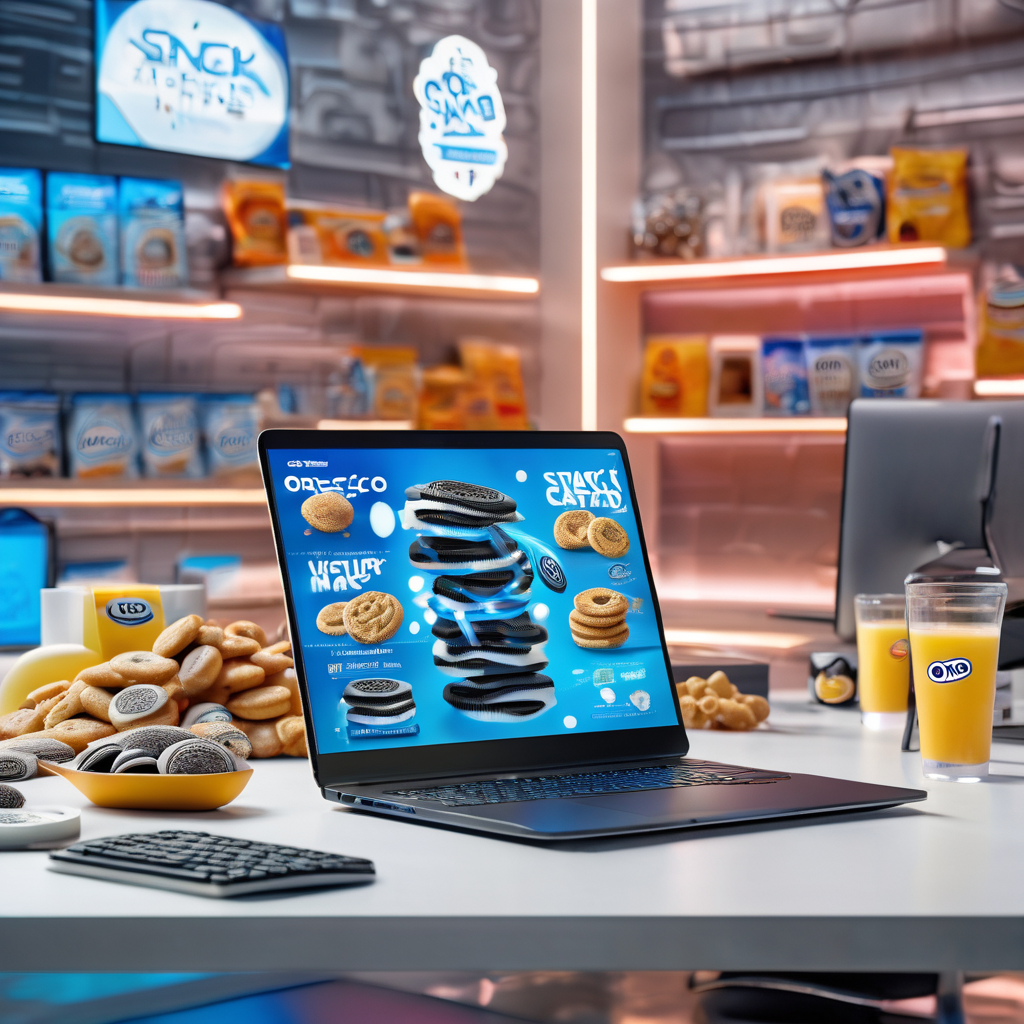
Mondelēz International, the maker of Oreo, Chips Ahoy!, Ritz, and Perfect Bar, has developed a generative AI tool called AIDA (AI + Data) to personalize advertising and enhance consumer engagement across its top brands. After over two years of development and an investment exceeding $40 million, AIDA enables faster and more cost-effective creation of marketing content, often tailored to specific consumer groups. While the upfront costs are significant, Mondelēz estimates the tool could reduce marketing content creation expenses by up to 50%, with potential for greater savings if expanded to other business areas. Launched in July, AIDA is still being refined to handle the unique demands of each brand and to ensure responsible advertising, avoiding promotion of unhealthy behaviors like overindulgence. Jennifer Mennes, VP and global head of digital marketing and strategy, and Tina Vaswani, VP of digital enablement and consumer data, shared insights with Food Dive about AIDA’s development and role in food marketing. Mondelēz approached AIDA thoughtfully due to its high initial investment. The company prioritized building features that deliver quick, valuable returns and selected appropriate brands for pilot projects. The motivation arose from the vast volume of content needed to support personalized marketing and boost engagement and conversions, which traditional methods couldn’t meet efficiently. AI was seen as an enabler to produce more, faster, and better content—not a new strategy altogether. Vaswani added that integrating AI meant reevaluating current workflows to identify where AI could genuinely enhance efficiency, emphasizing caution as AI integration can sometimes hinder rather than help if misapplied. They continuously assess whether AI truly adds value or creates unnecessary burdens on their engineering teams. AIDA has shown effectiveness in speeding content creation, especially where speed and scale are critical, but significant experimentation is ongoing to push the tool’s limits.
For example, while AIDA was trained only on Oreo’s classic black-and-white cookie, teams have successfully generated “golden Oreos” without additional training, demonstrating the system’s flexibility. However, outputs vary by product category—cookies and biscuits require different handling than chocolate products. A particular challenge for Mondelēz lies in the need for high-fidelity imagery to maintain taste appeal, as consumers interact directly with the product rather than just packaging. Unlike other consumer goods such as shampoo bottles, their marketing must show the actual product’s inside in a visually appealing way, demanding greater data fidelity and precision in AI outputs. Vaswani noted the importance of upholding brand standards and image quality, recognizing that while AI shows great promise, it still needs refinement to meet these expectations fully. The company also emphasizes responsible AI use aligned with brand principles. Mennes explained that responsible AI involves more than legal compliance with trademarks and copyrights; it also means ensuring advertising doesn’t depict overindulgence, such as showing excessive quantities of cookies or chocolate. Brand-specific rules are incorporated into the platform to maintain compliance, particularly for regulated brands like Halls or Belvita, which include specific claims. Before any AI-generated asset reaches the market, it undergoes the company’s traditional legal review process to prevent unauthorized or inappropriate content distribution. Thus, AIDA accelerates the content creation process but does not bypass regulatory safeguards. Looking ahead, Mondelēz is exploring opportunities to implement AIDA beyond marketing, potentially extending its benefits to other areas within the company, although specific plans for wider application are still under consideration.
Mondelēz International Unveils AIDA AI Tool to Revolutionize Personalized Advertising




Meta's Artificial Intelligence research laboratory has recently announced a major breakthrough in computer vision, signaling a promising advancement in object recognition technology.

Brightcove, a leading global cloud content services provider, has announced the launch of seven new features designed to enhance global reach, boost audience engagement, improve live-streaming quality, and streamline video workflows.

Artificial intelligence (AI) is swiftly reshaping the field of search engine optimization (SEO), becoming a vital element in how search engines rank content and how marketers plan their strategies.

The rapid growth of artificial intelligence (AI) technologies this year has led to a substantial surge in demand across multiple sectors, notably impacting the copper foil industry.

Microsoft has reportedly reduced its sales growth targets for certain artificial intelligence (AI) products after numerous sales staff failed to meet their goals in the fiscal year ending in June, according to a report from The Information published on Wednesday.

Artificial intelligence is rapidly reshaping the marketing landscape by offering new tools, insights, and opportunities that help businesses connect more effectively with their audiences.

Artificial intelligence (AI) is revolutionizing the field of digital marketing, profoundly influencing search engine optimization (SEO) techniques.
Launch your AI-powered team to automate Marketing, Sales & Growth

and get clients on autopilot — from social media and search engines. No ads needed
Begin getting your first leads today


Lorem ipsum dolor sit amet consectetur adipisicing elit. Fuga dolor minus maiores. Aut vero expedita dicta, dolorem odit excepturi odio doloremque voluptatem repellat aliquam? Dolores nemo eum id pariatur! Nobis!

Create your own avatar to work for you — completely free of charge!
Sign up with Google

We've sent a confirmation email to
Please check your inbox and click the link to complete your registration
Didn’t receive it? Check your Spam or Promotions folder
and get clients without any advertising investment!

Create and publish viral social media content on autopilot



AI sales managers work 24/7, with no need for sleep, food, or breaks, and speak all languages.
You have unsubscribed from the mailing list recklessly but successfully.
We are not saying goodbye and look forward to seeing you again.