
Luxury Brands and the Rise of AI in Fashion Campaigns: Challenges and Trends
Brief news summary
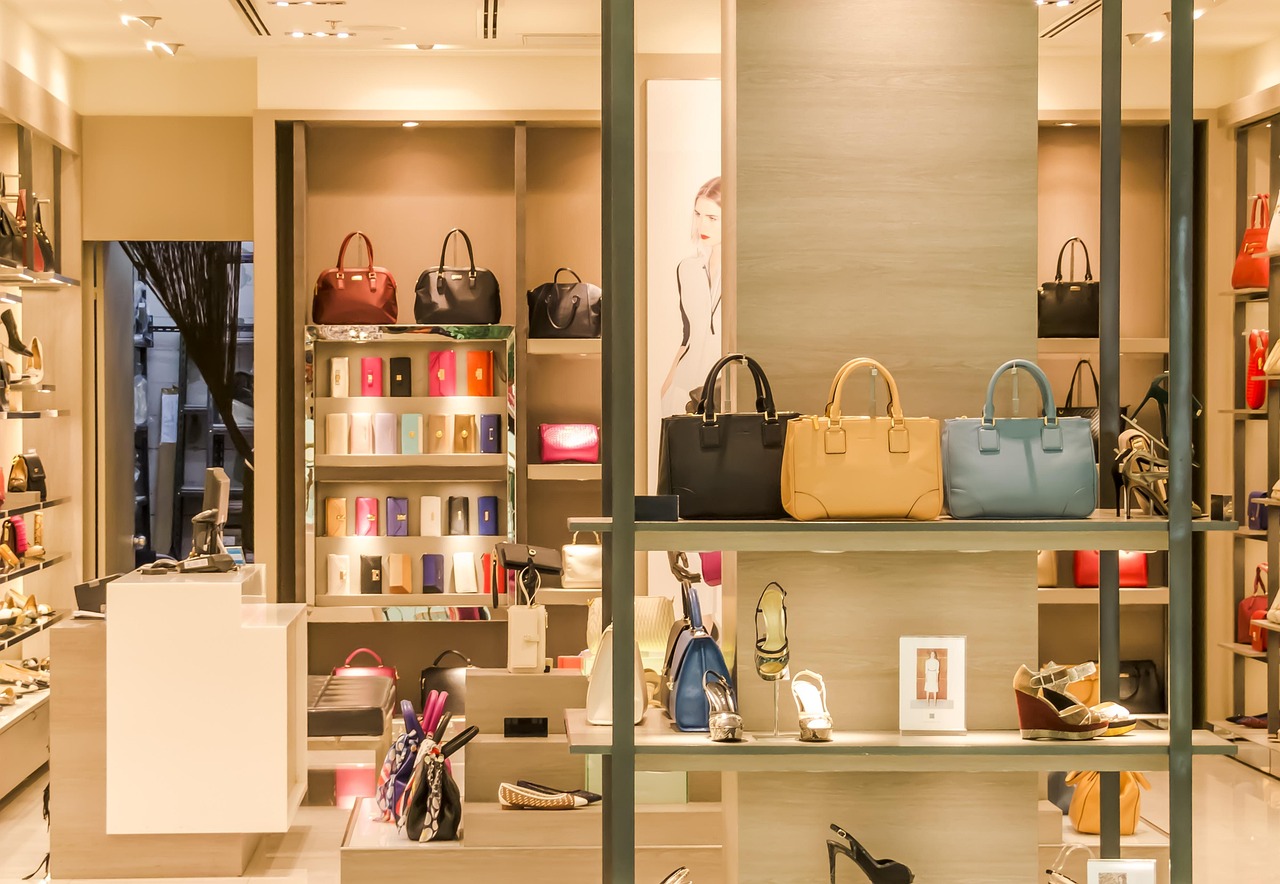
Valentino’s recent AI-generated digital project, featuring surreal visuals, faced notable criticism for seeming “cheap” and “lazy,” underscoring challenges luxury brands face integrating AI. Despite clear disclaimers, many consumers still perceive AI-created work as less valuable than human craftsmanship, a core luxury value. Jill Assemota, founder of Berlin’s Parallel Pictures, explains luxury brands primarily use AI to supplement campaigns by creating extra assets for social media and e-commerce, where speed and volume are key. AI can cut e-commerce image production costs by up to 70%, though video remains challenging due to product distortion in motion. Throughout 2025, brands like Valentino, Jil Sander, MCM, Burberry, and Hugo Boss have experimented with AI. Assemota foresees a future of cautious, strategic AI use aimed at scaling creative output while maintaining traditional methods, reflecting a phase of “cautious experimentation” balancing innovation and brand integrity.The video, part of Valentino’s “digital creative project” developed with digital artists, showcased surreal visuals of bodies and logos morphing around a bag. Although clearly labeled as AI-generated, it sparked hundreds of critical comments, with users describing the imagery as “cheap, ” “lazy, ” and “disturbing, ” accusing Valentino of favoring efficiency over artistry. This backlash highlights a wider challenge luxury brands face as generative AI becomes more widespread. While AI has quietly supported design, production, and operations, its role in visible creative work is controversial in a sector rooted in craftsmanship and human authorship. Dr. Rebecca Swift, SVP of creative at Getty Images, noted that consumers view AI-created works as less valuable than human-made art, especially from expensive brands. Even transparency about AI use hasn’t fully eased consumer skepticism. According to Jill Assemota, founder of Parallel Pictures, luxury brands will keep adopting AI but mainly to extend existing shoots rather than produce fully AI-native campaigns.
Most campaigns use AI to create additional assets for social media or digital platforms, helping meet growing content demands amid tight budgets and timelines. AI’s effectiveness is most notable in e-commerce, where brands require large volumes of content quickly. Parallel Pictures’ data shows AI-generated e-commerce imagery can cut production costs by up to 70%, while campaign work saves about 50%. Assemota describes luxury brands’ AI use as cautious experimentation, partly driven by competitive pressure and a fear of missing out (FOMO). This year’s notable AI fashion campaigns include Valentino’s DeVain handbag project (December 2025), Jil Sander’s AI-assisted imagery (February 2025), MCM Worldwide’s AI-generated campaign extensions (spring 2025), Burberry’s AI-supported digital storytelling (2025), and scaled but rarely disclosed AI use in luxury e-commerce by brands like Hugo Boss and Peek & Cloppenburg. Video content is lagging behind, as AI-generated video struggles with maintaining product accuracy during motion, leading to distortions unacceptable for commercial use beyond brief clips. Assemota expects AI experimentation to continue into 2026 but within clearer limits. She foresees AI supporting, extending, and scaling creative output without fully replacing traditional content production or becoming the primary focus.
Watch video about
Luxury Brands and the Rise of AI in Fashion Campaigns: Challenges and Trends
Try our premium solution and start getting clients — at no cost to you

I'm your Content Creator.
Let’s make a post or video and publish it on any social media — ready?

Content Maker

Last news
The Best for your Business
Hot news

7 social media trends you need to know in 2026
Combining social media performance with consumer data reveals an optimistic outlook for future social media trends, providing insights into audience behavior and your brand’s role.

From Reactive to Proactive: What B2B Marketers Ca…
In recent years, the automotive retail sector has emerged as a sophisticated testing ground for AI-driven sales and marketing.

Integrating AI into Your SEO Workflow: Best Pract…
Incorporating Artificial Intelligence (AI) into your Search Engine Optimization (SEO) workflow can greatly improve both performance and overall outcomes.

OpenAI Acquires AI Hardware Startup io for $6.5 B…
OpenAI, a leading AI research organization, has announced the acquisition of AI hardware startup io for $6.5 billion.

AI-Powered Video Editing Tools Revolutionize Cont…
In recent years, artificial intelligence (AI) has profoundly influenced numerous industries, reshaping traditional workflows and introducing new efficiencies.

AI Video Compression Techniques Reduce Streaming …
AI-Driven Video Compression Techniques Revolutionize Streaming Services Over the past decade, streaming services have dramatically changed global media consumption
Beyond SEO: How AI engine optimization is changin…
For over two decades, search engine optimization (SEO) has driven web marketing, but the rise of generative artificial intelligence (AI) systems now disrupts this by providing direct answers instead of link lists.
AI Company
Launch your AI-powered team to automate Marketing, Sales & Growth

and get clients on autopilot — from social media and search engines. No ads needed
Begin getting your first leads today

Your News is ready
Your article is ready

Lorem ipsum dolor sit amet consectetur adipisicing elit. Fuga dolor minus maiores. Aut vero expedita dicta, dolorem odit excepturi odio doloremque voluptatem repellat aliquam? Dolores nemo eum id pariatur! Nobis!
Generating video takes longer than text.







