
How AI is Revolutionizing Manufacturing Sales Through Pricing, Quoting, and Lead Generation

Brief news summary
Manufacturers are increasingly adopting artificial intelligence (AI) to revolutionize their sales processes by automating tasks like pricing, quoting, and lead generation. This automation boosts efficiency, shortens sales cycles, and reduces errors, enhancing customer experiences. AI leverages real-time data on market demand, competitor pricing, and customer behavior to enable dynamic pricing strategies that maximize profitability. Predictive analytics help identify new sales opportunities and facilitate targeted communication with prospects. Successful AI implementation requires seamless integration with existing CRM and ERP systems, along with comprehensive training for sales teams to optimize usage. Beyond operational improvements, AI delivers valuable market insights that guide product development and marketing efforts. Advances in machine learning and natural language processing further enhance sales personalization and forecasting accuracy. Ultimately, AI acts as a key driver of digital transformation in manufacturing sales, increasing efficiency, revenue, and customer engagement.Manufacturers are rapidly adopting artificial intelligence (AI) technologies to transform their sales processes, focusing on streamlining tasks like pricing and quoting. This swift adoption underscores the industry’s dedication to boosting efficiency and expanding market reach through innovative automation. In today’s competitive manufacturing environment, companies strive to optimize sales workflows to gain an edge over rivals and deliver greater customer value. AI-driven sales automation tools play a key role by automating repetitive tasks such as generating accurate quotes and setting optimal pricing, significantly reducing the time and effort needed to close deals and speeding up sales cycles. A major advantage of AI integration is its capacity to analyze vast datasets for better pricing decisions. Unlike traditional static or manual pricing methods, AI algorithms consider real-time variables—including demand trends, competitor prices, inventory, and customer behavior—to recommend dynamic pricing strategies that enhance profitability and competitiveness. Additionally, AI-powered quoting systems enable swift generation of customized proposals, minimizing errors and improving customer experience. Automating quote creation frees sales teams to concentrate on relationship building and negotiation instead of administrative duties. AI adoption also aids manufacturers in identifying new customers by analyzing large volumes of data from diverse sources such as market reports, social media, and purchasing histories, uncovering sales opportunities that might otherwise be missed. This targeted lead identification allows sales teams to allocate resources efficiently and engage prospects with personalized messaging tailored to their specific needs. Experts highlight that AI’s rapid integration in manufacturing sales is fueled by its demonstrated ability to enhance operational efficiency and revenue growth. Companies investing in AI-driven sales automation gain competitive advantages by streamlining workflows, reducing errors, and enabling data-based decision-making.
However, successful AI implementation requires careful integration with existing systems like CRM and ERP platforms to ensure seamless data flow and maximize automation benefits. Equally important is training sales personnel to collaborate effectively with AI; while AI manages routine tasks and provides insights, human judgment and interpersonal skills remain vital for closing deals and sustaining long-term relationships. Organizations that blend AI tools with human expertise are more likely to achieve lasting performance improvements. Beyond operational efficiencies, AI influences strategic decision-making. Its analytics offer deeper insights into market trends and customer preferences, allowing manufacturers to tailor product development and marketing more effectively. This alignment boosts the relevance of offerings and strengthens market positioning. Looking forward, AI integration in manufacturing sales is set to accelerate as advancements in machine learning, natural language processing, and predictive analytics unlock fresh innovation avenues. These evolving capabilities will enable manufacturers to personalize sales approaches further, enhance forecasting accuracy, and improve customer engagement. In summary, the accelerated adoption of AI in manufacturing sales marks a pivotal shift toward digital transformation. By leveraging AI to automate pricing and quoting, refine sales workflows, and identify new customer segments, manufacturers are poised to achieve significant gains in efficiency and growth. This evolution benefits not only manufacturers by enhancing competitiveness but also customers, by providing more responsive and dynamic experiences that foster stronger partnerships and sustained success in an increasingly challenging market landscape.
Watch video about
How AI is Revolutionizing Manufacturing Sales Through Pricing, Quoting, and Lead Generation
Try our premium solution and start getting clients — at no cost to you

I'm your Content Creator.
Let’s make a post or video and publish it on any social media — ready?

Content Maker

Last news
The Best for your Business
Hot news

AI Video Analytics Transforming Marketing Strateg…
In today's fast-changing digital environment, marketers increasingly rely on advanced technologies to gain a competitive advantage and create more impactful campaigns.

Case Study: AI-Driven SEO Success Stories
In recent years, integrating artificial intelligence (AI) into search engine optimization (SEO) has transformed how companies enhance their online presence.

The Role of AI in Social Media Marketing Strategi…
Artificial Intelligence (AI) is playing an increasingly transformative role in social media marketing.
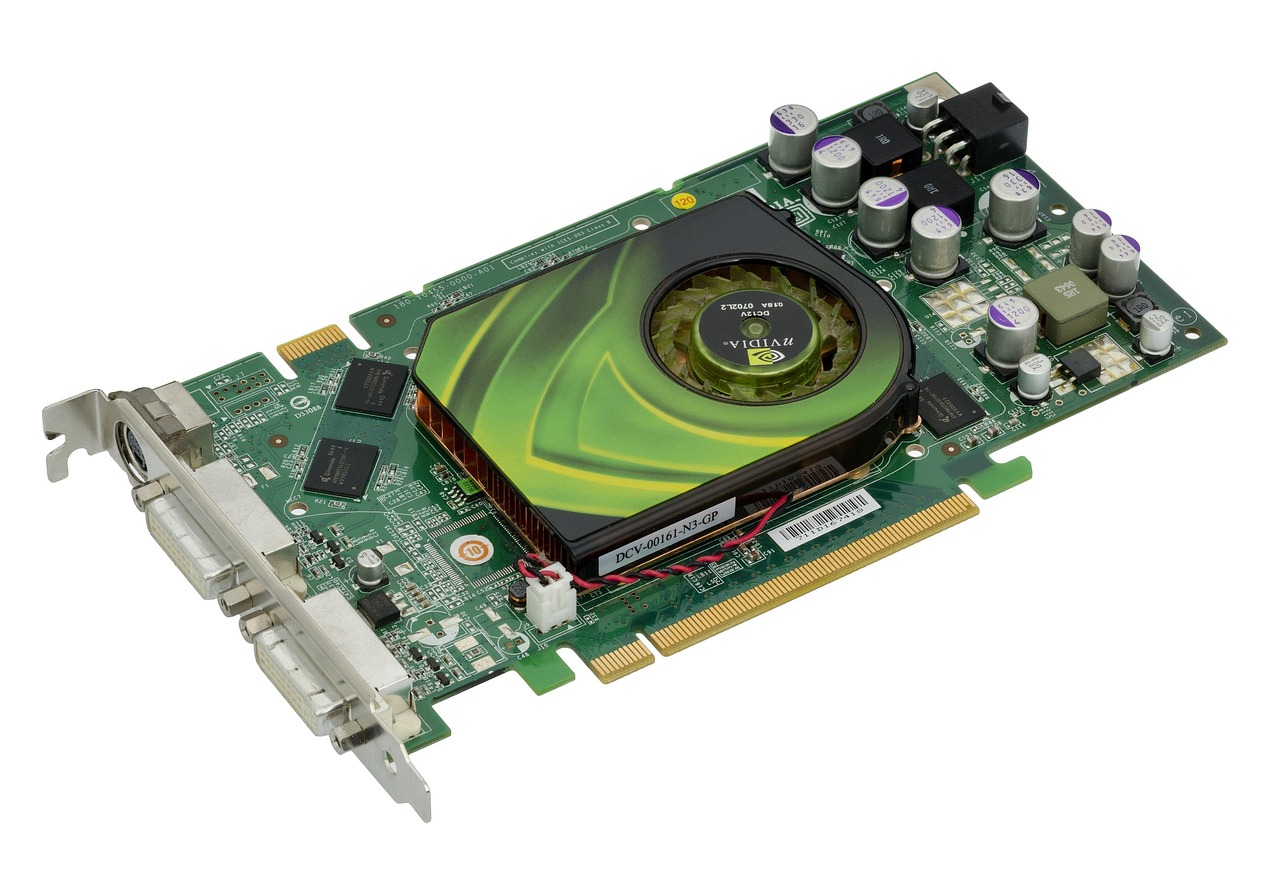
Nvidia Acquires AI Chip Startup Groq's Assets for…
Nvidia, the world’s largest graphics processing unit (GPU) manufacturer and a key player in AI data center development, has recently signed a non-exclusive licensing agreement with Groq, a notable competitor in the AI chip market.

AI in Video Surveillance: Enhancing Security or I…
The integration of artificial intelligence (AI) into video surveillance systems marks a major advancement in public safety.

Apple's Siri 2.0: Enhanced AI Capabilities and Pe…
Apple has officially announced Siri 2.0, marking a major advancement in its virtual assistant technology.

AI-Driven SEO: Transforming Content Creation and …
Artificial intelligence (AI) is fundamentally reshaping content creation and search engine optimization (SEO), equipping marketers with sophisticated tools to greatly improve their digital marketing tactics.
AI Company
Launch your AI-powered team to automate Marketing, Sales & Growth

and get clients on autopilot — from social media and search engines. No ads needed
Begin getting your first leads today

Your News is ready
Your article is ready

Lorem ipsum dolor sit amet consectetur adipisicing elit. Fuga dolor minus maiores. Aut vero expedita dicta, dolorem odit excepturi odio doloremque voluptatem repellat aliquam? Dolores nemo eum id pariatur! Nobis!
Generating video takes longer than text.







