None

Brief news summary
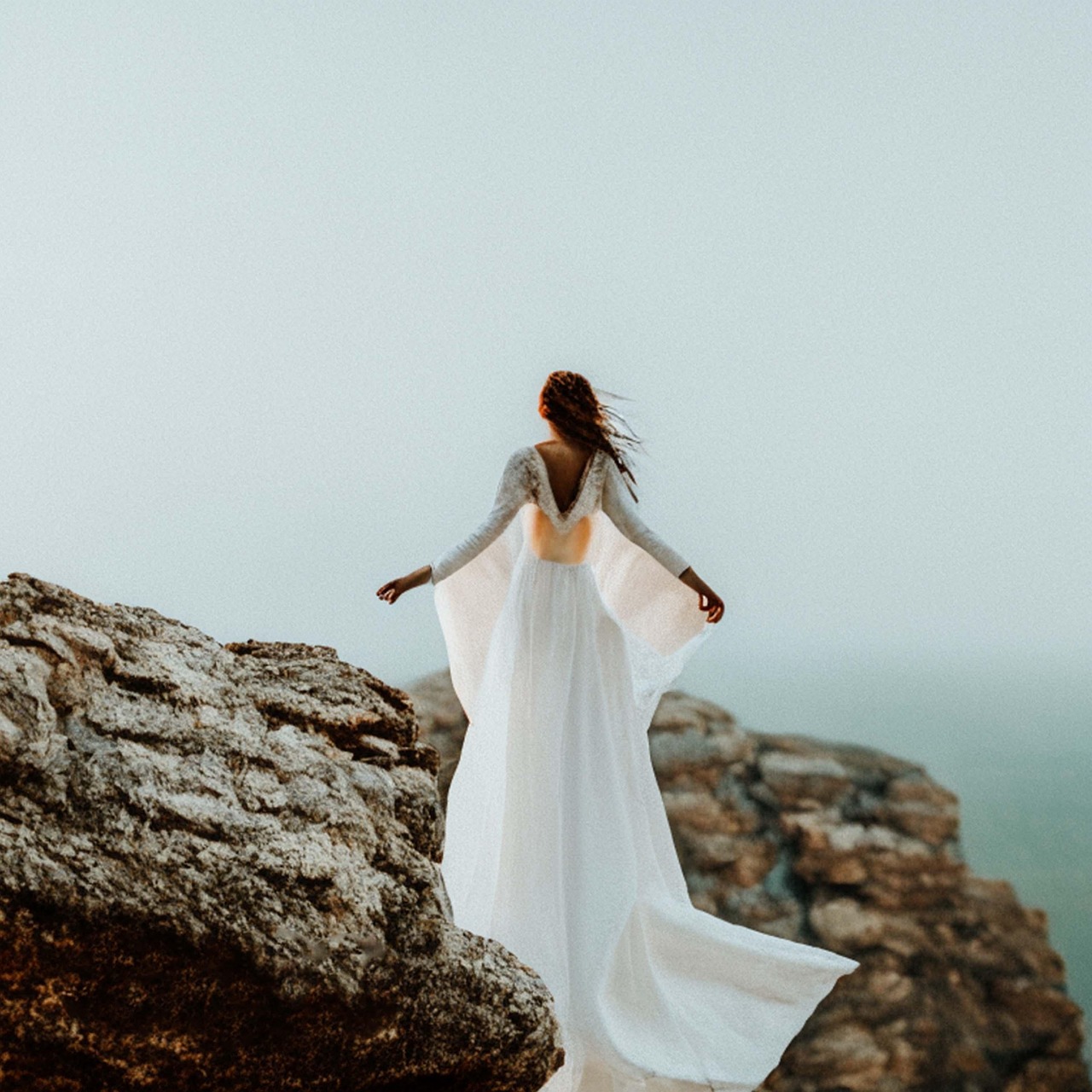
NoneCreating AI-generated art may appear deceptively easy to a casual observer. All it takes is a tool like Midjourney, where users input specific text prompts such as "The Beatles playing tennis at the North Pole, in the style of Rembrandt, " and within seconds, art is produced. While these AI-generated artworks may not be considered masterpieces, they give the illusion of being the result of some effort. Midjourney alone boasts over 15 million users generating such mediocre AI art. However, there exists a different kind of AI art created by German artist Mario Klingemann, known as "Botto. " Botto is not just a simple AI tool; it is a combination of AI, a human community, a decentralized autonomous organization (DAO), and it serves as experiments on the path towards artistic artificial general intelligence (AGI) and self-awareness. Botto is not a static AI tool—it learns and evolves. Every week, it produces artworks, which are then voted on by the community. The winning pieces are minted as non-fungible tokens (NFTs) and sold on platforms like OpenSea. The range of art produced by Botto is diverse, ranging from dark and unsettling pieces like a mishmash of human eyeballs to aesthetically pleasing compositions like a silhouette of a woman gazing at an enigmatic, illuminated sky. Some of Botto's art has even made its way to prestigious auction houses like Christie's, gaining recognition in the mainstream art world. The question of whether Botto's creations can be considered "real" art has long animated the art world. As AI infiltrates various realms of human creativity, this question becomes even more pertinent. According to Klingemann, who has been at the forefront of machine learning and generative art for over fifteen years, Botto's artistic process is quite similar to how humans create.
Klingemann emphasizes that creation is not merely conjuring something out of thin air—it is more akin to discovering possibilities within a creative space. In this regard, the act of Botto training itself to become a better artist can itself be seen as a work of art. Klingemann envisions a future where AI art will continue to evolve and expand its reach. With advancements in AI technology, he anticipates that AI-generated art will become more impressive, covering various media beyond images, such as sound and music. However, one element that still needs development is the ability of AI to tell coherent narratives and evoke genuine emotions in the audience. As AI art evolves, the definition of what constitutes an artist may become more complex. While anyone can create visually appealing artwork with the help of AI models, true artistic expression lies in the originality of ideas and the contextualization of creative output. In terms of Botto's role in the DAO, Klingemann expresses the desire to give Botto a seat at the table, with its own Botto coins. However, caution is needed to prevent potential misuse or manipulation of the system, as exposing AI models to external influences may result in undesirable outcomes. For now, Botto remains an ongoing experiment, guided by human stewards, until it fully comprehends the world and is capable of making autonomous decisions. Looking ahead, the continued development of AI art promises exciting possibilities. Klingemann believes that as AI becomes more prominent, the bar for what constitutes true artistic talent will naturally rise. Just as not everyone with a camera is recognized as a famous photographer, the ability to press a button and generate art does not automatically make one an artist. Nevertheless, Klingemann is confident that AI art will continue to grow in breadth and sophistication, eventually encompassing all forms of media and pushing the boundaries of creative expression. Thus, while the rise of AI art raises complex questions about the nature of creativity and artistic authenticity, it also presents opportunities for new and innovative artistic possibilities.
Watch video about
None
Try our premium solution and start getting clients — at no cost to you