
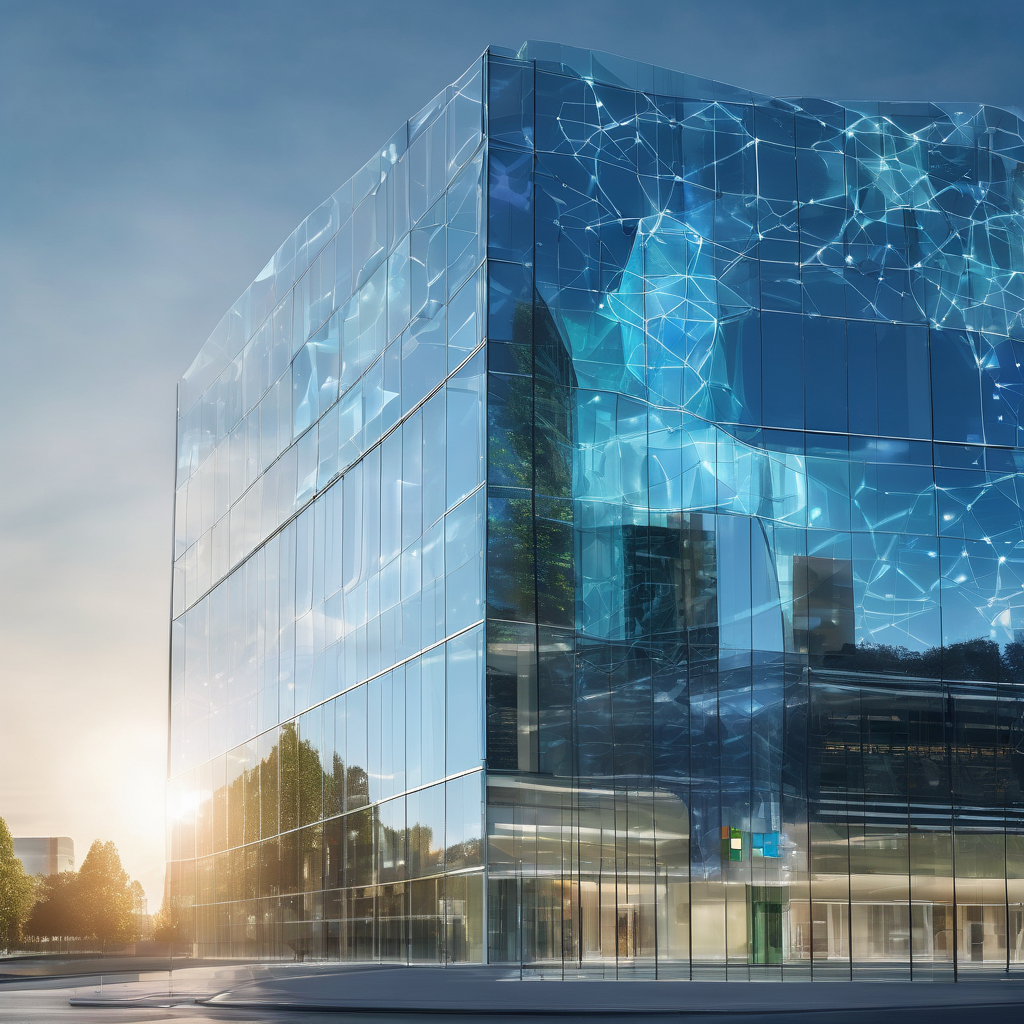
Microsoft has announced a major $1 billion investment in a promising artificial intelligence startup focused on autonomous vehicle technology, underscoring its dedication to advancing AI in the automotive sector. The startup employs innovative machine learning and sophisticated computer vision systems to improve the safety and performance of self-driving cars. This investment aligns with Microsoft's broader vision to leverage AI across industries, including transportation, to foster innovation and enhance user experiences. By integrating the startup’s expertise into its AI frameworks, Microsoft aims to accelerate the development and deployment of autonomous vehicles, potentially transforming how cars navigate and interact with their environments. Autonomous vehicles depend heavily on AI technologies like machine learning to process extensive sensor and camera data, while computer vision enables recognition and understanding of surroundings such as vehicles, pedestrians, and traffic signals. The startup’s advanced algorithms enhance real-time decision-making, contributing to safer and more efficient autonomous driving. This investment comes amid rapid growth and competition in the autonomous vehicle market, with many tech companies and automakers striving to commercialize fully autonomous cars. Partnering with this AI startup positions Microsoft as a key player in the evolving sector. The collaboration aims to spur innovation by combining the startup’s technological advancements with Microsoft’s extensive resources, cloud infrastructure, and AI research capabilities. Microsoft’s Azure cloud platform, renowned for supporting AI workloads, will likely underpin the development and scaling of the startup’s autonomous driving solutions.
Furthermore, the investment may enable integration of autonomous technology with other Microsoft products, fostering new mobility solutions that enhance connectivity and user experience. Microsoft seeks to build ecosystems where diverse technologies seamlessly operate together to benefit consumers and businesses. Industry experts view the investment as a strong endorsement of the startup’s potential and emphasize the importance of partnerships between established tech giants and agile startups to tackle challenges like safety, regulation, and public acceptance. Beyond technology development, Microsoft’s involvement will provide the startup access to a broad network of industry partners, aiding regulatory navigation and global product scaling. Insights from this collaboration could also influence smart city initiatives and urban infrastructure planning as autonomous vehicles become integrated into transportation systems. The announcement has drawn significant interest from investors, analysts, and consumers recognizing the transformative potential of AI-powered autonomous vehicles. Microsoft’s substantial commitment reflects confidence in this technology’s viability to redefine mobility. Moving forward, Microsoft and the startup are expected to collaborate on research targeting improvements in sensor fusion, predictive analytics, and real-time responsiveness across diverse driving conditions. As the industry evolves, Microsoft’s investment may motivate other companies to pursue similar collaborations, fostering a cooperative environment that accelerates innovation. Advanced AI integration in transportation promises safer roads, reduced congestion, and lowered environmental impact by optimizing driving patterns and energy use. Overall, Microsoft’s $1 billion investment marks a pivotal moment in autonomous vehicle progress, heralding a new era where AI-driven innovation reshapes global mobility and transportation.
Microsoft Invests $1 Billion in AI Startup to Advance Autonomous Vehicle Technology




SecureAI Technologies has launched an innovative cybersecurity system that uses advanced machine learning algorithms to detect and counter cyber threats in real time.

The rising influence of artificial intelligence (AI) defined 2025, with the MarTech sector reflecting this trend as B2B marketers increasingly integrated AI into their workflows.

Holiday shopping has often felt like a “chore” for Amrita Bhasin, a 24-year-old retail tech CEO.
Fallout’s season one recap incorrectly claimed that The Ghoul’s flashback occurs in the 1950s, when in fact it takes place in the year 2077.

OpenAI is set to launch GPT-5, the newest advancement in its language model series, in early 2026.
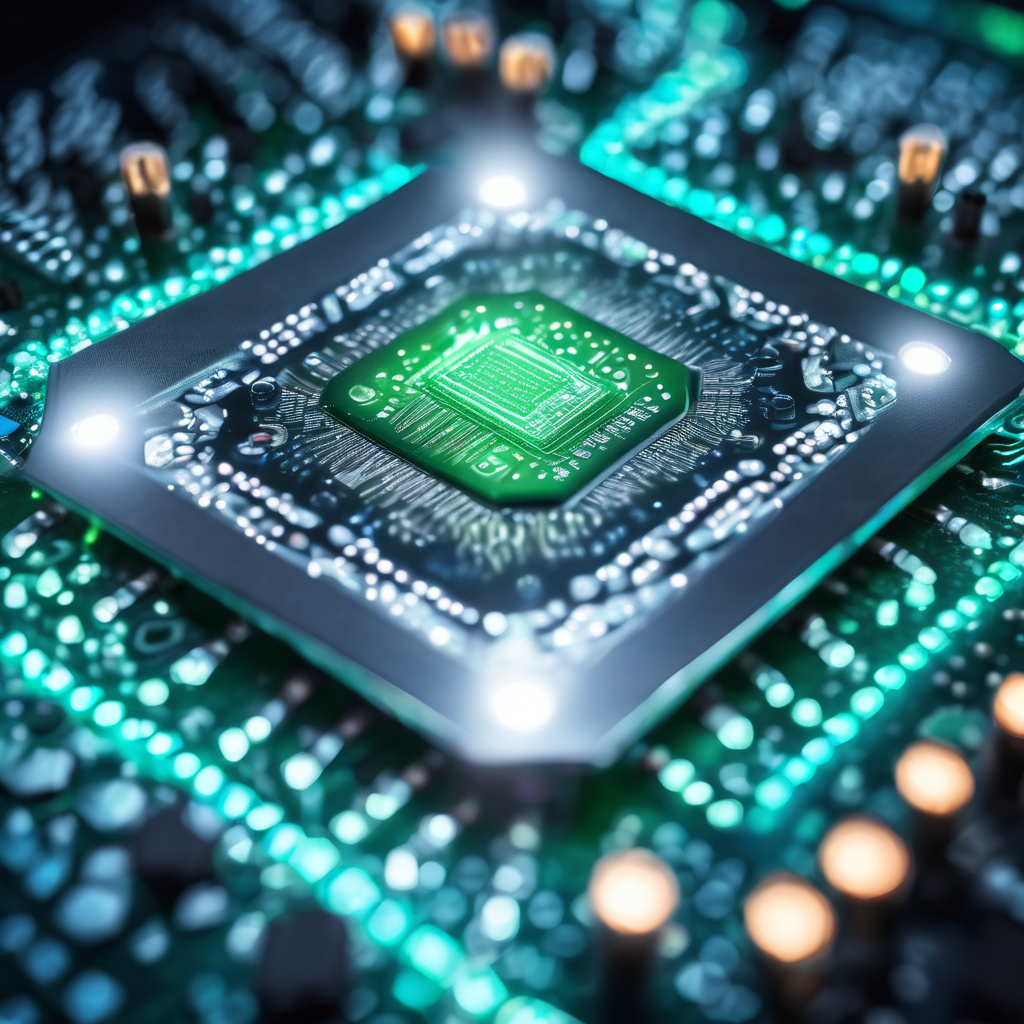
U.S. President Donald Trump’s decision to sell advanced AI chips, including Nvidia’s H200, to China has alarmed hawks in Washington.

The digital marketing landscape is rapidly evolving, led by 21-year-old Giles Bailey, a university dropout who transformed himself into an AI marketing strategist.
Launch your AI-powered team to automate Marketing, Sales & Growth

and get clients on autopilot — from social media and search engines. No ads needed
Begin getting your first leads today


Lorem ipsum dolor sit amet consectetur adipisicing elit. Fuga dolor minus maiores. Aut vero expedita dicta, dolorem odit excepturi odio doloremque voluptatem repellat aliquam? Dolores nemo eum id pariatur! Nobis!

Create your own avatar to work for you — completely free of charge!
Sign up with Google


We've sent a confirmation email to
Please check your inbox and click the link to complete your registration
Didn’t receive it? Check your Spam or Promotions folder
and get clients without any advertising investment!

Create and publish viral social media content on autopilot



AI sales managers work 24/7, with no need for sleep, food, or breaks, and speak all languages.
You have unsubscribed from the mailing list recklessly but successfully.
We are not saying goodbye and look forward to seeing you again.