

SAN FRANCISCO – OpenAI CEO Sam Altman has declared a 'code red' alert for the company’s employees, signaling an urgent directive to prioritize enhancements to the flagship product, ChatGPT, while deferring other product developments. According to a report by The Wall Street Journal, Altman sent an internal memo to staff on Monday stressing the critical need to intensify focus on ChatGPT. The memo emphasized that despite ChatGPT’s remarkable success, there are vital areas needing immediate improvement to boost user experience, optimize performance, and maintain long-term competitiveness in the fast-evolving artificial intelligence landscape. As ChatGPT’s adoption spreads widely, OpenAI’s leadership is resolute in placing its development at the forefront. This week marks the third anniversary of OpenAI’s founding, a milestone reflecting the company’s significant strides in the AI sector. Since its inception, OpenAI has been a pioneer in AI research and development, with ChatGPT becoming one of the most influential tools in natural language processing. Its capabilities have revolutionized how individuals and organizations engage with AI, fostering innovation across numerous industries. However, the 'code red' alert signals OpenAI’s acknowledgment that accelerating technological advancement and increasing competitive pressures demand a renewed concentration on its core products. The urgency in Altman’s message indicates the company’s intention to solidify its position by addressing current deficiencies in ChatGPT and expediting enhancements. Within the competitive AI landscape, many firms are seeking to produce more advanced conversational agents and language models. By concentrating its resources on ChatGPT, OpenAI appears to be reinforcing the product’s potential to retain its leadership role. Although specific details about planned ChatGPT improvements have not been publicly released, industry analysts expect forthcoming versions to feature advancements in conversational accuracy, contextual comprehension, safety protocols, and user customization options.
The decision to postpone other product projects represents a strategic choice to focus engineering talent and research efforts predominantly on ChatGPT’s development. While this may temporarily slow the introduction of new AI tools and services, it reflects OpenAI’s commitment to delivering a strong and dependable core product before broadening its offerings. OpenAI has not immediately responded to requests for additional commentary on the memo or the 'code red' status. Users and industry watchers alike are anticipated to closely monitor upcoming updates and announcements regarding ChatGPT’s improvements. In the broader scope, OpenAI’s issuance of a 'code red' underlines the intense and rapidly moving environment in which AI firms operate. As language models grow increasingly sophisticated and vital across various applications, the pressure to continually enhance and innovate remains formidable. Prioritizing its leading product is a strategic move by OpenAI to maintain its competitive edge in the AI field. As ChatGPT evolves, it promises users more seamless, powerful AI-driven interactions, empowering tasks that range from content creation to problem-solving and decision-making. OpenAI’s sustained dedication to refining ChatGPT also reflects a broader commitment to ensuring AI technologies are developed responsibly and for the benefit of society. Commemorating its three-year anniversary, the company not only reflects on its achievements but also marks a decisive moment to plan future innovations. By proactively addressing challenges through this internal 'code red, ' OpenAI demonstrates its resolve to uphold and elevate the standards that have defined its contributions to the AI community.
OpenAI CEO Declares 'Code Red' to Prioritize ChatGPT Enhancements Amid Growing AI Competition




TrendForce recently reported a significant surge in AI server demand, substantially driving shipments of NVIDIA's latest Blackwell GPUs.
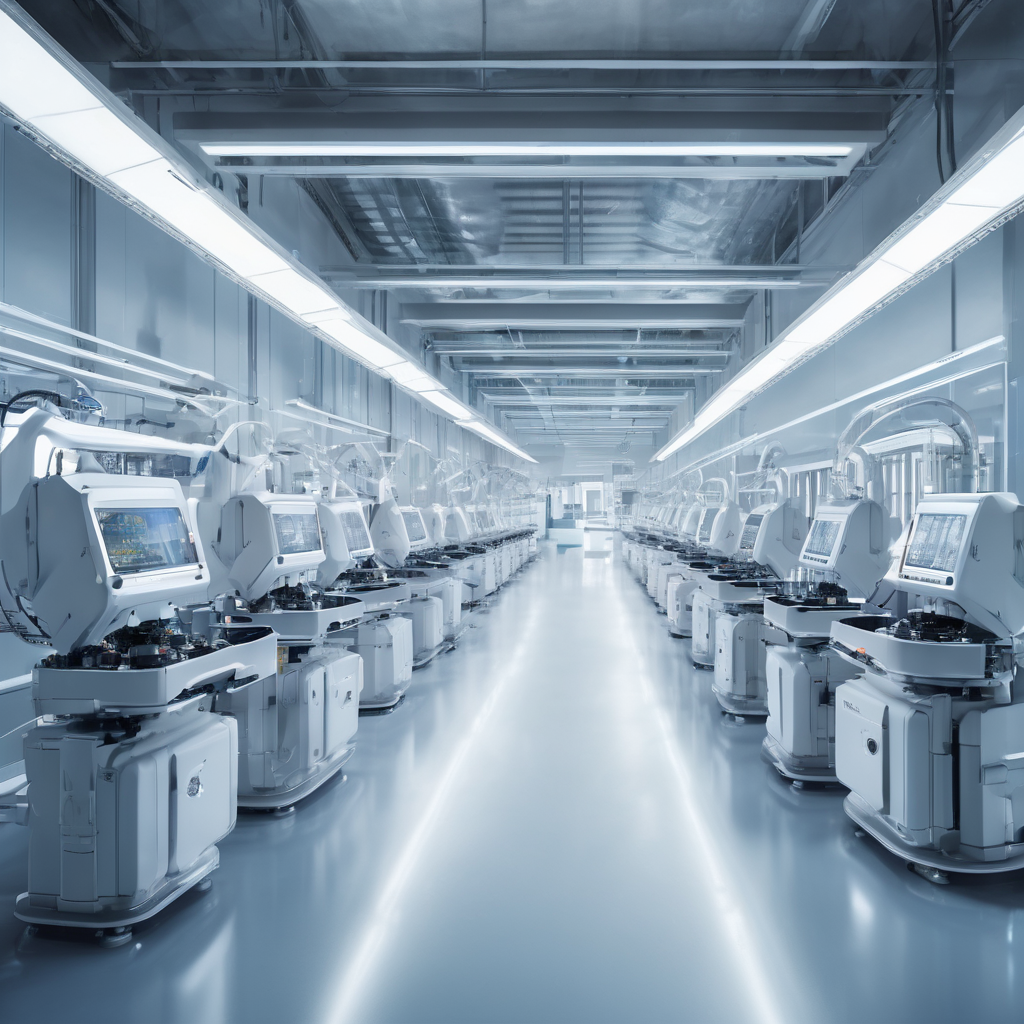
U.S. export controls are affecting global chip-tool manufacturers, with Tokyo Electron (TEL) working urgently to offset declining orders from China.
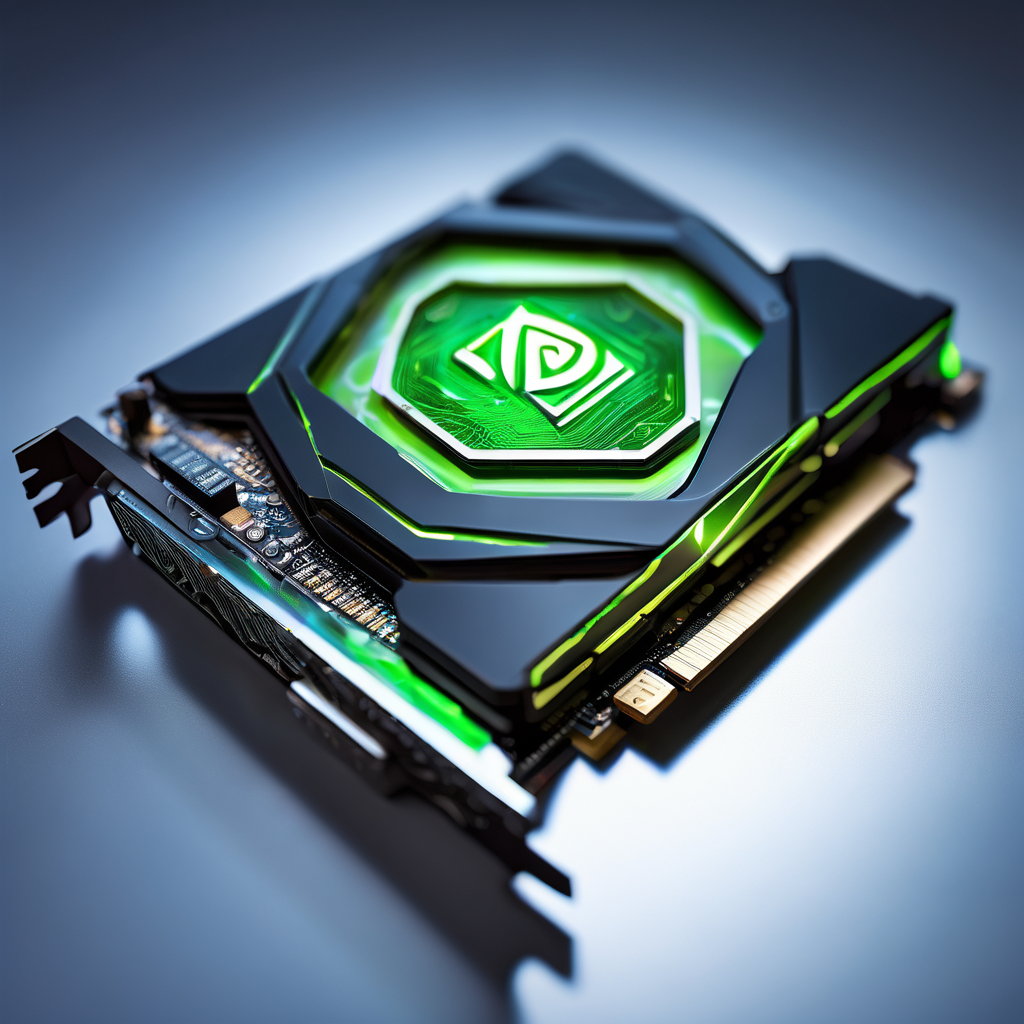
Nvidia (NVDA) has transformed from a video game chip maker into a dominant force in artificial intelligence (AI) chips over recent years, driving massive revenue growth—annual revenue increased by 2,500% over the past decade.

HeyGen's AI News Anchor is transforming news creation and distribution by providing an innovative platform to produce polished news segments, timely alerts, and multilingual broadcasts featuring lifelike virtual anchors.

In today’s rapidly changing digital environment, artificial intelligence (AI) is significantly transforming how businesses approach search engine optimization (SEO).

This summer, the PR agency Bospar encountered a puzzling issue while preparing a major announcement for its client, RealSense, an AI computer vision company.

Baidu Unveils Two New AI Models to Challenge US Competitors Baidu, China’s leading tech giant, has launched two AI models aimed at rivaling major American firms
Launch your AI-powered team to automate Marketing, Sales & Growth

and get clients on autopilot — from social media and search engines. No ads needed
Begin getting your first leads today


Lorem ipsum dolor sit amet consectetur adipisicing elit. Fuga dolor minus maiores. Aut vero expedita dicta, dolorem odit excepturi odio doloremque voluptatem repellat aliquam? Dolores nemo eum id pariatur! Nobis!

Create your own avatar to work for you — completely free of charge!
Sign up with Google

We've sent a confirmation email to
Please check your inbox and click the link to complete your registration
Didn’t receive it? Check your Spam or Promotions folder
and get clients without any advertising investment!

Create and publish viral social media content on autopilot



AI sales managers work 24/7, with no need for sleep, food, or breaks, and speak all languages.
You have unsubscribed from the mailing list recklessly but successfully.
We are not saying goodbye and look forward to seeing you again.