
OpenAI Aims to Raise $100 Billion, Boosting Valuation to $830 Billion: Impact on AI and Marketing

Brief news summary
OpenAI intends to raise up to $100 billion in new funding, potentially valuing the company around $830 billion and placing it among the world’s most valuable private tech firms. Targeting primarily sovereign wealth funds, this funding round aims to close by early 2026, following a recent secondary sale that valued OpenAI at about $500 billion. The new capital will complement existing funds of $64 billion to accelerate AI infrastructure, advanced model development, product expansion, and global growth. Unlike many AI startups relying on cloud credits, OpenAI covers compute costs with substantial cash reserves, competing with giants like Google, Meta, and Anthropic. For marketers, OpenAI’s rapid expansion signals faster AI deployment, possible cost increases, market consolidation, and new partnerships, including a rumored $10 billion Amazon investment in custom AI chips. A future IPO could influence governance, product strategies, and API access. As AI becomes critical infrastructure, marketers must prepare for rapid innovation, evolving pricing models, diverse vendors, and strengthened in-house AI capabilities to protect brands and optimize AI tools.OpenAI is reportedly preparing to raise up to US$100 billion in new funding, potentially boosting its valuation to an astonishing US$830 billion. If successful, this would position OpenAI among the most valuable private tech firms ever, surpassing companies like SpaceX and aligning it with major Big Tech players. This article examines OpenAI’s proposed fundraising, the reasons behind its capital needs, and the implications for marketers working within or near the AI sector. Short on time?Here’s a quick table of contents: - What happened? - Why OpenAI needs the cash - What marketers should know What happened? According to The Wall Street Journal, OpenAI is in initial talks to raise up to US$100 billion, engaging sovereign wealth funds with a potential closing in early 2026. Earlier reports from The Information valued OpenAI post-money at about US$750 billion, but recent estimates have increased that to nearly US$830 billion. This follows a secondary transaction earlier this year valuing OpenAI around US$500 billion, marking a rapid and significant valuation jump within months. If completed, this raise would supplement the US$64 billion OpenAI reportedly already holds (per PitchBook), giving the company substantial capital to invest aggressively in infrastructure and global expansion. Why OpenAI needs the cash OpenAI plans to invest “trillions” pursuing next-generation AI breakthroughs, including compute infrastructure, model development, commercial product expansion, and scaling inferencing capabilities. Unlike many AI startups reliant on cloud credits from partners such as Microsoft or Google, OpenAI appears to be financing most of its inferencing costs directly, signaling compute demands exceeding partner subsidies. Facing competition from Google’s Gemini, Meta’s Llama, and Anthropic’s Claude, OpenAI is pushing to release newer, more powerful models and deepen integration with enterprise tools. However, investor enthusiasm for AI has cooled amid concerns about chip shortages, increased capex by hyperscalers like Amazon and Microsoft, and doubts about AI’s sustainable growth, raising fears of an investment bubble. What marketers should know This funding story carries critical implications for marketers, communications teams, and tech-forward brand leaders: 1. Accelerated AI model releases The influx of funds could speed development and deployment of models beyond GPT-4o, offering marketers enhanced AI tools for content creation, customer support, ad optimization, and audience segmentation. Prepare for more frequent model updates and integrations. 2.
Rising costs may affect pricing With OpenAI funding compute rather than relying on cloud credits, AI service costs may rise. Marketing teams should watch for potential price increases in GPT-based products and tools operating on OpenAI infrastructure. 3. Market consolidation and reduced vendor diversity A valuation near US$830 billion reflects strong investor belief in OpenAI as a foundational AI leader. This may pressure competitors to pivot, merge, or exit, leading to fewer vendors and more integrated AI offerings—potentially limiting tool diversity. 4. Strategic partnerships could evolve OpenAI is reportedly courting a US$10 billion investment from Amazon, possibly to leverage AWS’s proprietary AI chips, diversifying beyond Microsoft Azure. This could offer enterprise customers more flexibility and alternative integration options. 5. IPO speculation returns Rumors of a potential OpenAI IPO are growing. Although unconfirmed, going public could reshape company governance and the balance between research and commercial ambitions—impacting marketers reliant on OpenAI’s products or APIs. Regardless of whether the US$100 billion funding materializes, the signal is clear: foundational AI is evolving from an experimental phase to core infrastructure. Marketers leveraging large language models (LLMs) for content, personalization, or analytics should anticipate faster product cycles, greater competition, and increased stakes. Savvy teams will diversify vendor partnerships, assess AI-related budget risks, and enhance internal expertise to manage model changes affecting content quality and brand safety.
Watch video about
OpenAI Aims to Raise $100 Billion, Boosting Valuation to $830 Billion: Impact on AI and Marketing
Try our premium solution and start getting clients — at no cost to you

I'm your Content Creator.
Let’s make a post or video and publish it on any social media — ready?

Content Maker

Last news
The Best for your Business
Hot news

AI Accelerates Digital Transformation in Maritime…
At SMM 2024, the leading international maritime trade fair held in Hamburg, the crucial role of artificial intelligence (AI) in expediting the maritime industry's digital transformation was prominently showcased.
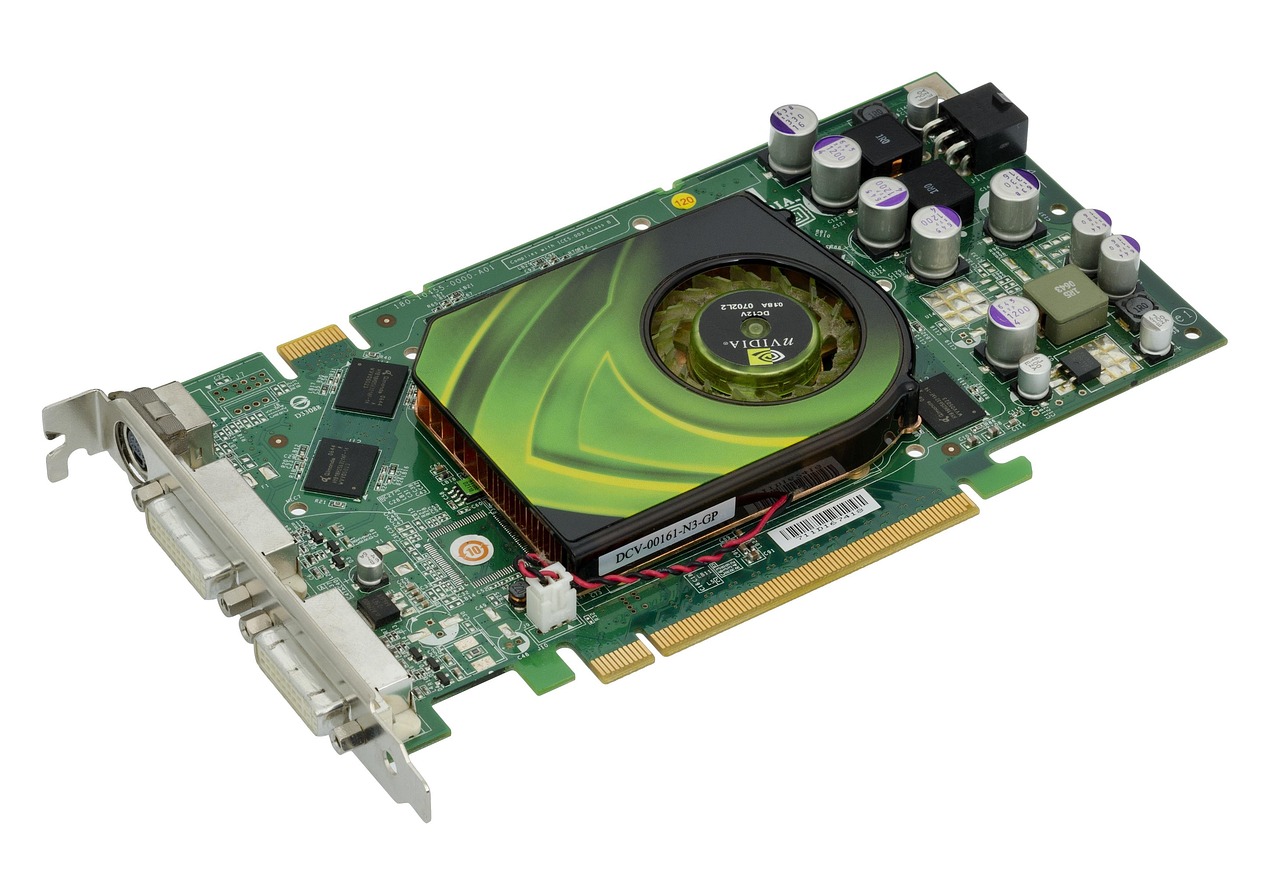
Democrats warn Trump greenlighting Nvidia AI chip…
Congressional Democrats are expressing serious concern over the possibility that the U.S. may soon begin selling advanced chips to one of its most significant geopolitical rivals.

Google DeepMind's AlphaCode: A New Era in AI Prog…
Google DeepMind has recently introduced an innovative artificial intelligence system called AlphaCode, marking a significant leap forward in AI-assisted software development.

AI Video Games Achieve Milestone in Realistic Gra…
The gaming industry is undergoing a major transformation driven by advanced artificial intelligence (AI), especially in realistic graphics rendering.

AI-Powered SEO Tools: Revolutionizing Digital Mar…
Artificial Intelligence (AI) is profoundly transforming digital marketing, significantly impacting Search Engine Optimization (SEO).

How to Evaluate AI Transparency in Marketing Tool…
Rebekah Carter The rapid rise of AI in marketing has been striking—from initial trials of copy generators to AI now shaping entire ad budgets, content pipelines, and customer segments

Replify Analysis: AI Sales and AI Customer Servic…
Aggregated data from fitness operators demonstrates that AI-powered sales and customer service significantly reduce response times, recover revenue, and save thousands of staff hours monthly.
AI Company
Launch your AI-powered team to automate Marketing, Sales & Growth

and get clients on autopilot — from social media and search engines. No ads needed
Begin getting your first leads today

Your News is ready
Your article is ready

Lorem ipsum dolor sit amet consectetur adipisicing elit. Fuga dolor minus maiores. Aut vero expedita dicta, dolorem odit excepturi odio doloremque voluptatem repellat aliquam? Dolores nemo eum id pariatur! Nobis!
Generating video takes longer than text.







