
Qualcomm Warns Soaring Memory Prices Will Slow Smartphone Industry Growth
Brief news summary
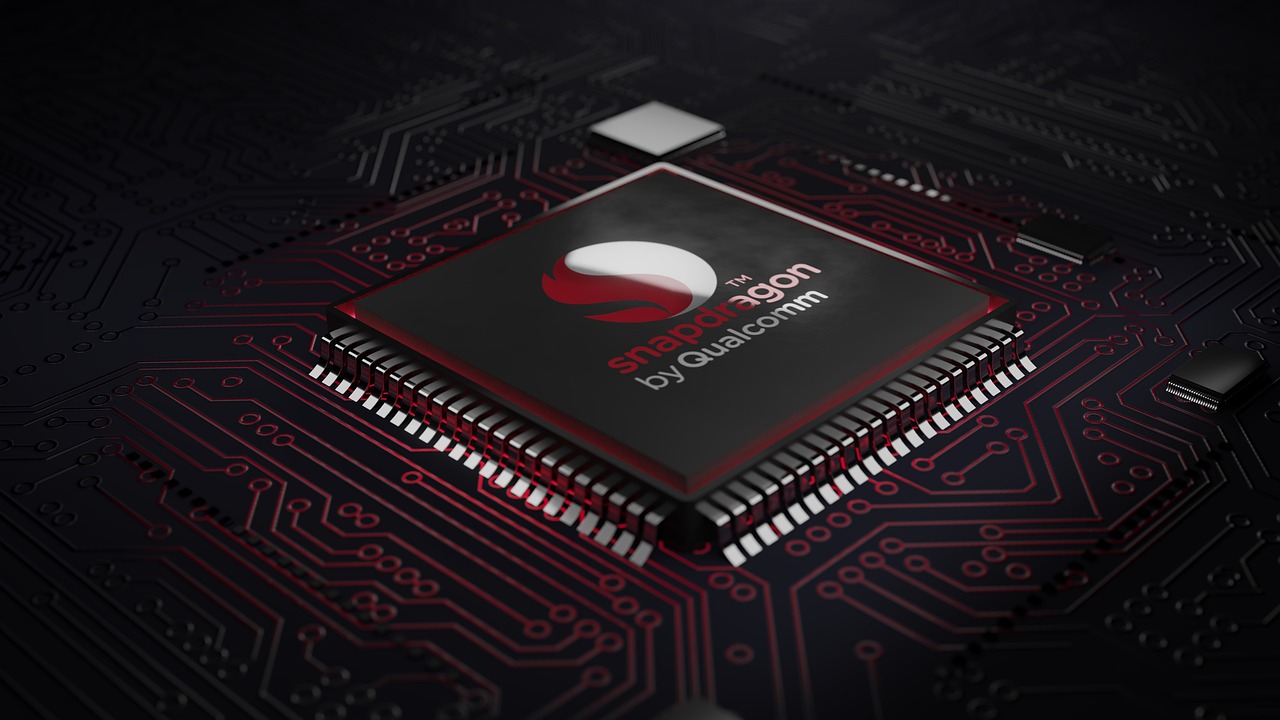
Qualcomm reported a record Q1 2026 revenue of $12.3 billion, fueled by strong demand in premium smartphones, smart glasses, automotive, and IoT sectors. However, CEO Cristiano Amon cautioned that rising memory costs, particularly DRAM driven by AI datacenter demand, may limit handset industry growth in coming quarters. Several Chinese smartphone manufacturers are reducing chipset inventories, adversely affecting Qualcomm’s sales outlook. CFO Akash Palkhiwala noted production cuts by customers, forecasting Q2 revenue between $10.2 billion and $11 billion, down from $11 billion last year, with handset chip sales declining from $6.9 billion to $6 billion. Despite these headwinds, Amon highlighted robust ongoing demand and positive long-term recovery prospects. Qualcomm is heavily investing in AI inferencing silicon, already supplying customers like Humane and partnering with cloud providers, expecting growth in this segment next year. The company is also diversifying into robotics, automotive, and patent licensing to reduce reliance on smartphones by 2029. Following cautious guidance, Qualcomm shares dropped 11% to about $134.Qualcomm has issued a warning that soaring memory prices will slow the smartphone industry, causing investors to react nervously and push the company’s share price down by 11 percent. During the Q1 2026 earnings call, CEO Cristiano Amon announced a company record revenue of $12. 3 billion, attributing the strong results to robust sales of premium smartphones and increased demand for smart glasses, automotive, and Internet of Things products. However, he quickly turned cautious, stating, “In the coming quarters, the handset industry will be constrained by the availability and pricing of memory, particularly DRAM. ” He explained that these constraints arise because memory manufacturers are prioritizing memory production for AI datacenters, cutting back on other types of memory supply. This imbalance in supply and demand has caused DRAM prices to surge. Amon noted that “several” handset manufacturers, especially in China, are now “taking a cautious approach in reducing their chipset inventory. ” CFO Akash Palkhiwala added that this cautious stance means Qualcomm’s smartphone clients have “scaled-back expectations for build plans, ” resulting in fewer devices being produced and consequently lower sales for Qualcomm. The situation isn’t entirely bleak, as the caution among smartphone makers doesn’t signal a decrease in device demand. Instead, Amon explained, it reflects their belief that memory availability will be limited, prompting them to temper their production goals. The CEO remains optimistic that Qualcomm will not face long-term struggles in this market. Nevertheless, the immediate impact looks challenging, with Qualcomm forecasting Q2 revenue between $10. 2 billion and $11 billion, compared to $11 billion in Q2 last year. Of last year’s Q2 revenue, $6. 9 billion came from handset chip sales, whereas this year the company anticipates that figure dropping to $6 billion. In related news, Qualcomm’s CEO received a 15% pay increase despite profits falling 45%.
The company also recently acquired Ventana, a RISC-based Arm alternative, while facing criticism from makers upset by Qualcomm tightening controls on Arduino. Additionally, Qualcomm is betting on cloud inferencing, though Arm argues cloud infrastructure can’t fully support it indefinitely. While AI-related challenges are impacting Qualcomm’s smartphone sector, the company is trying to capitalize on the AI boom with its own inferencing chips. Amon revealed that Qualcomm has begun shipping products to Humane, its sole confirmed customer for this silicon, and is assisting them with running third-party workloads. “You would imagine that a company of our size would be engaged in conversations with some of the largest hyperscalers and cloud service providers, ” Amon remarked, adding, “We’re gaining good traction. ” Revenue from AI silicon is expected to start arriving next year. Amon also highlighted promising opportunities in robotics, automotive, and patent licensing, expressing hope that these areas will help Qualcomm diversify and increase revenue, aiming to reduce dependence on smartphones by 2029. Currently, Qualcomm still relies heavily on smartphone revenue, and investors reacted to the latest news by valuing shares around $134 each, down from over $150 earlier in the day. ®
Watch video about
Qualcomm Warns Soaring Memory Prices Will Slow Smartphone Industry Growth
Try our premium solution and start getting clients — at no cost to you

I'm your Content Creator.
Let’s make a post or video and publish it on any social media — ready?

Content Maker

Last news
The Best for your Business
Hot news

The Future of SEO: Integrating AI for Enhanced Se…
The integration of artificial intelligence (AI) into search engine optimization (SEO) is fundamentally reshaping the digital marketing arena.

AI-Generated Deepfake Videos Pose New Challenges …
The rapid rise of AI-generated deepfake videos is profoundly reshaping the media industry, introducing unprecedented challenges.

How Tree Hut used AI to turn customer feedback in…
The bath and body care brand, which has amassed 3 million followers on TikTok and Instagram, has spent the last year employing an AI-driven community management tool to analyze comments, direct messages, and other interactions across its social channels.

OpenAI's ChatGPT Surpasses 20 Million Paid Subscr…
OpenAI’s ChatGPT has reached a major milestone by surpassing 20 million paid subscribers, reflecting the broad adoption of AI tools across multiple sectors.

Adobe Acquires Semrush to Enhance AI Marketing An…
Adobe has taken a major step in the digital marketing and analytics arena by acquiring Semrush for $1.9 billion in cash.

AI Video Conferencing Tools Gain Popularity Amid …
As remote work continues to expand globally, companies are increasingly adopting AI-powered video conferencing tools to enhance communication and collaboration among distributed teams.

The Future of SEO: Integrating AI for Enhanced Se…
The landscape of search engine optimization (SEO) is currently undergoing a profound transformation due to the integration of artificial intelligence (AI).
AI Company
Launch your AI-powered team to automate Marketing, Sales & Growth

and get clients on autopilot — from social media and search engines. No ads needed
Begin getting your first leads today

Your News is ready
Your article is ready

Lorem ipsum dolor sit amet consectetur adipisicing elit. Fuga dolor minus maiores. Aut vero expedita dicta, dolorem odit excepturi odio doloremque voluptatem repellat aliquam? Dolores nemo eum id pariatur! Nobis!
Generating video takes longer than text.







