
2025 Advertising Automation Surge Highlights Need for Deliberate Deceleration and Manual Craftsmanship

Brief news summary
In 2025, the advertising industry embraced widespread AI-driven automation, with major players like LiveRamp, Adobe, and Amazon launching advanced tools and boosting investments. However, experts Dan Koe and Luiza Jarovsky warn that rapid automation no longer ensures a competitive advantage as AI becomes pervasive. They stress the need to slow down and prioritize manual craftsmanship, high-quality data, genuine expertise, and tailored understanding for each business. Challenges such as data fragmentation, operational silos, outdated measurement methods, and consumer skepticism of AI-generated content persist. Although AI accelerates content creation, it may compromise brand authenticity and marketing effectiveness. Essential tasks—manual data cleaning, thorough measurement, thoughtful content development, and strategic hypothesis testing—remain resistant to automation and rely on human judgment. The merging of creative roles and immature commerce media networks further demand intentional, strategic focus. Koe and Jarovsky urge marketers to emphasize deep, context-rich knowledge and sustained human involvement, valuing craftsmanship over speed amid dominant industry giants like Meta, Amazon, Adobe, and LiveRamp.The advertising industry surged ahead in 2025 with rapid automation adoption: LiveRamp launched agentic orchestration on October 1, Adobe introduced AI agents on October 9, and Amazon unveiled Ads Agent on November 11. Equity investment in agentic AI reached $1. 1 billion in 2024, and job postings grew 985% year-over-year, highlighting unprecedented momentum. However, on December 29, marketing entrepreneur Dan Koe challenged this rush, stating: “When everyone has an advantage, it is no longer an advantage. With AI enabling instant creation, true advantage comes from slowing down, focusing on craft, doing manual work, and gaining knowledge so specific that AI cannot replicate it. ” Echoing this, Luiza Jarovsky, PhD, co-founder of aitechprivacy. com, emphasized that human excellence requires time, effort, and discipline—and the widespread availability of cheap AI and faked expertise has raised the bar for authentic expertise. These insights reflect a growing intuition among marketers that speed is commoditized. AI universally accelerates execution, eroding speed as a competitive edge. Instead, differentiation arises from intentional deceleration: choosing not to automate everything, investing effort in nuanced problem understanding, and applying careful manual craftsmanship. This paradox is evident in digital advertising. Platforms promise gains via automation but yield diminishing returns as speed alone falters. Meta’s Advantage+ automation and its Andromeda retrieval engine, unveiled in December 2024 with a 6% recall improvement and 8% ads quality uplift, typify this tension. Yet, industry experts like Bram Van der Hallen criticized campaign consolidation hype, advising caution and gradual testing rather than sweeping automation adoption. Challenges stem partly from black-box algorithms lacking transparency, making it hard to pinpoint performance causes—whether creative fatigue, audience saturation, or algorithm shifts. Advertisers struggle to assess true incremental value versus harvesting easy wins. Harvard Business School research highlights pitfalls in AI marketing automation: misplaced blame on AI, trust erosion after failures, skepticism toward overstated capabilities, harsher judgments of humanized AI, and outrage over deceptive practices. These conditions validate Koe’s argument: without transparency, speed offers no strategic edge. Marketers must invest in understanding underlying causal mechanisms, conducting systematic testing, and accumulating business-specific insights—manual efforts essential for superior strategy. Measurement woes compound the issue. An October 2025 TransUnion and EMARKETER survey of 196 marketers found 54. 1% saw no increase in confidence in measurement accuracy from the prior year; 14. 3% reported declines. Although 61. 7% maintain confidence, growth has stalled despite more abundant data. Fragmented data sources (49. 5%), cross-channel deduplication issues (48%), and walled-garden reporting limitations (40. 8%) were chief culprits. Further, December 2025 research by Funnel and Ravn showed 86% of in-house and 79% of agency marketers struggle to discern channel-level impact despite advanced analytics. This data deluge creates a contradiction: streams of information flow, yet actionable insight remains elusive. Thus, speed in data gathering yields no advantage when synthesis and interpretation lag. Marketers must slow down, integrate fragmented data, reconcile conflicting evidence, and build frameworks for understanding performance—efforts resistant to automation. Supporting this, a September 2025 survey of 200 CMOs found 45% of marketing data used for decisions is incomplete, inaccurate, or outdated; none deemed their data over 75% reliable. Data quality improvements topped priorities (30%), above automation (22%) and democratization (21%), underscoring that quality foundation trumps automation complexity—a notion Koe champions by advocating methodical, manual data validation and reconciliation. Content creation economics reveal similar trends. Platforms like TikTok incentivize vast AI-generated video output via creator funds paying $0. 02–$0. 04 per 1, 000 views, fostering an “AI slop” epidemic—low-quality, mass-produced AI content aimed at engagement rather than authenticity. A June 2025 HBO “Last Week Tonight” segment noted: “Not all AI content is spam, but right now, all spam is AI content. ” AI-enabled velocity saturates feeds, lowering visibility and eroding audience trust. July 2025 research by Raptive showed suspected AI content cuts reader trust by nearly 50% and reduces purchase consideration and willingness to pay premiums by 14%. Alarmingly, perceptions worsen regardless of actual AI origin, indicating deep authenticity issues. This trust erosion vindicates Koe’s advocacy for manual craftsmanship: rapid AI-generated output offers no advantage if perceived as inauthentic. Instead, marketers must invest in deliberate content development—original research, authentic voice cultivation, quality refinement—that resists compression via automation. Operational challenges reinforce deceleration benefits.
Digital marketing expert John Ho’s audit of Meta campaigns found persistent issues—like blurred, auto-generated thumbnails—that impair click-through rates. Manually selecting clear, product-focused visuals improved results, demonstrating the superior impact of deliberate manual curation over automation speed. Commerce media maturity research from November 2025, surveying 788 decision-makers, revealed 42% consider their operations operationalized or advanced, but only 13% qualify as “trailblazers” excelling in strategy, technology, measurement, and operations. Many networks rely on manual creative approvals amid disconnected tech stacks and workflows; just 12% can activate and measure campaigns seamlessly across channels. This gap highlights that rushing automation without solid foundations creates mere illusions of sophistication with limited advantage. Slowing to build integration, measurement frameworks, and operational capability yields superior outcomes—validating Koe’s call to “focus on your craft, ” emphasizing unsexy foundational work essential for effective automation. The November 2025 IAB incrementality measurement framework further endorses deceleration. It ranks experiment-based randomized controls as gold standard for causal lift but notes they require weeks or months to execute properly. Faster, hybrid proxies offer quick but unreliable directional insights fraught with bias. Marketers face a choice: speed with unreliable metrics or slower, rigorous testing producing actionable understanding aligning with Koe’s manual, craft-based strategy recommendation. Koe’s manual work prescription extends to strategic planning. When AI tools are universally accessible, differentiation derives from formulating better questions, crafting sophisticated hypotheses, and cultivating contextual expertise grounded in direct experience. AI cannot substitute for knowledge developed over time through detailed engagement with specific industries, customer behaviors, platform dynamics, and competitive nuances. For example, mastering attribution modeling for subscription businesses demands observing cohort behaviors, retention drivers, seasonality effects, and pricing impact—complexities AI predictions alone cannot replace. Such expertise requires slow, iterative learning involving observation, analysis, testing, failure, correction, and pattern recognition beyond AI’s scope. Authenticity crises also underscore this need. AI-generated product reviews surged dramatically—from 0. 51% in 2022 to 6. 61% in 2024 for Shein, and 0. 75% to 10. 90% by 2025 for Temu—mirroring generative AI’s rise post-ChatGPT launch in late 2022. This proliferation dilutes review reliability essential for purchase decisions and marketing built on customer advocacy. The remedy demands slowing down: conducting genuine customer research, collecting authentic feedback via surveys, analyzing real behavioral data, and developing insights rooted in true experiences—not AI approximations. Such manual research ensures authenticity and competitive differentiation unattainable through automation. YouTube’s July 2025 policy update distinguished “inauthentic content” from acceptable AI-assisted creation, allowing AI tools to aid authentic creators but banning mass-produced spam. This distinction aligns with Koe’s framework: AI tools augment deliberate creativity but cannot substitute human judgment on what merits creation, structure, audience targeting, and attention. Speed only adds value when paired with strategic thought developed through slow observation. Koe’s core prescription—“When everyone can learn and create anything at the click of a button, your advantage comes from slowing down, focusing on your craft, doing the right things manually”—runs counter to platform-driven incentives for speed and volume. Yet measurement confidence stagnation, data quality crises, operational gaps, and consumer trust erosion consistently validate deceleration as the true strategic advantage. Marketers investing time to understand causal mechanisms build judgment AI cannot replicate. Those who slow to construct solid measurement infrastructures gain insights unavailable to competitors racing with automation. Deliberate manual practice preserves essential skills that wholesale automation erodes. Knowledge grown through sustained engagement—observing patterns, testing hypotheses, learning from failures, and accumulating contextual nuance—is uniquely human and irreproducible by AI pattern matching. This expertise embodies Koe’s “knowledge so specific to you that nobody can generate it with AI. ” Jarovsky concurs, noting that cheap AI access raises the bar: professionals must prove genuine expertise beyond AI facades. Authentic mastery reveals itself through deep analysis, sophisticated frameworks, accurate second-order effect predictions, and nuanced context understanding—qualities built only through slow, deliberate effort. The advertising industry’s 2025 automation race created a landscape where everyone shares access to AI tools. As Koe said, “when everyone has an advantage, it is no longer an advantage. ” Thus, true differentiation shifts from technology access and speed to quality judgment, strategic sophistication, and manual craftsmanship. The convergence of Koe and Jarovsky’s December 29, 2025 observations crystallizes AI democratization’s implication: speed is commoditized, and success now depends on deliberate deceleration. — Timeline Highlights: - Nov 2022: ChatGPT launch sparks AI content boom - June 2025: HBO exposes AI-driven content quality issues - July 2025: YouTube enforces inauthentic content rules; Raptive reports AI content harms trust - Sept 2025: Significant data quality and completeness concerns surface - Oct 2025: LiveRamp and Adobe introduce advanced AI marketing tools; marketing measurement confidence plateaus - Nov 2025: Amazon launches AI agent; IAB releases incrementality framework; commerce media maturity research reveals gaps - Nov-Dec 2025: Meta faces scrutiny over automation; Funnel research highlights measurement struggles; AI-generated reviews vastly increase - Dec 29, 2025: Koe and Jarovsky publish influential analyses advocating deceleration — Summary: On December 29, 2025, Dan Koe, co-founder of Kortex (creator of the Eden AI canvas), and Luiza Jarovsky, PhD, co-founder of aitechprivacy. com, independently articulated a critical insight for marketing professionals amid widespread AI adoption: as AI tools democratize speed and execution, the true competitive advantage lies in slowing down. By focusing on manual craftsmanship, rigorous data quality improvement, authentic expertise development, and nuanced understanding, marketers can differentiate themselves despite universal AI access. Their observations arise within a context of significant automation deployment by major platforms (Meta, Amazon, Adobe, LiveRamp), stagnant or declining measurement confidence, pervasive data fragmentation, consumer trust erosion in AI-generated content, and operational maturity challenges. Koe and Jarovsky’s perspectives starkly counter the industry’s acceleration imperatives, underscoring that deliberate deceleration is essential for building irreplaceable, context-specific knowledge and effective, authentic marketing strategies in an AI-saturated environment.
Watch video about
2025 Advertising Automation Surge Highlights Need for Deliberate Deceleration and Manual Craftsmanship
Try our premium solution and start getting clients — at no cost to you

I'm your Content Creator.
Let’s make a post or video and publish it on any social media — ready?

Content Maker

Last news
The Best for your Business
Hot news

AI Video Analytics Transform Marketing Strategies
In today's rapidly changing digital marketing environment, artificial intelligence (AI) is becoming increasingly vital, especially through AI video analytics.
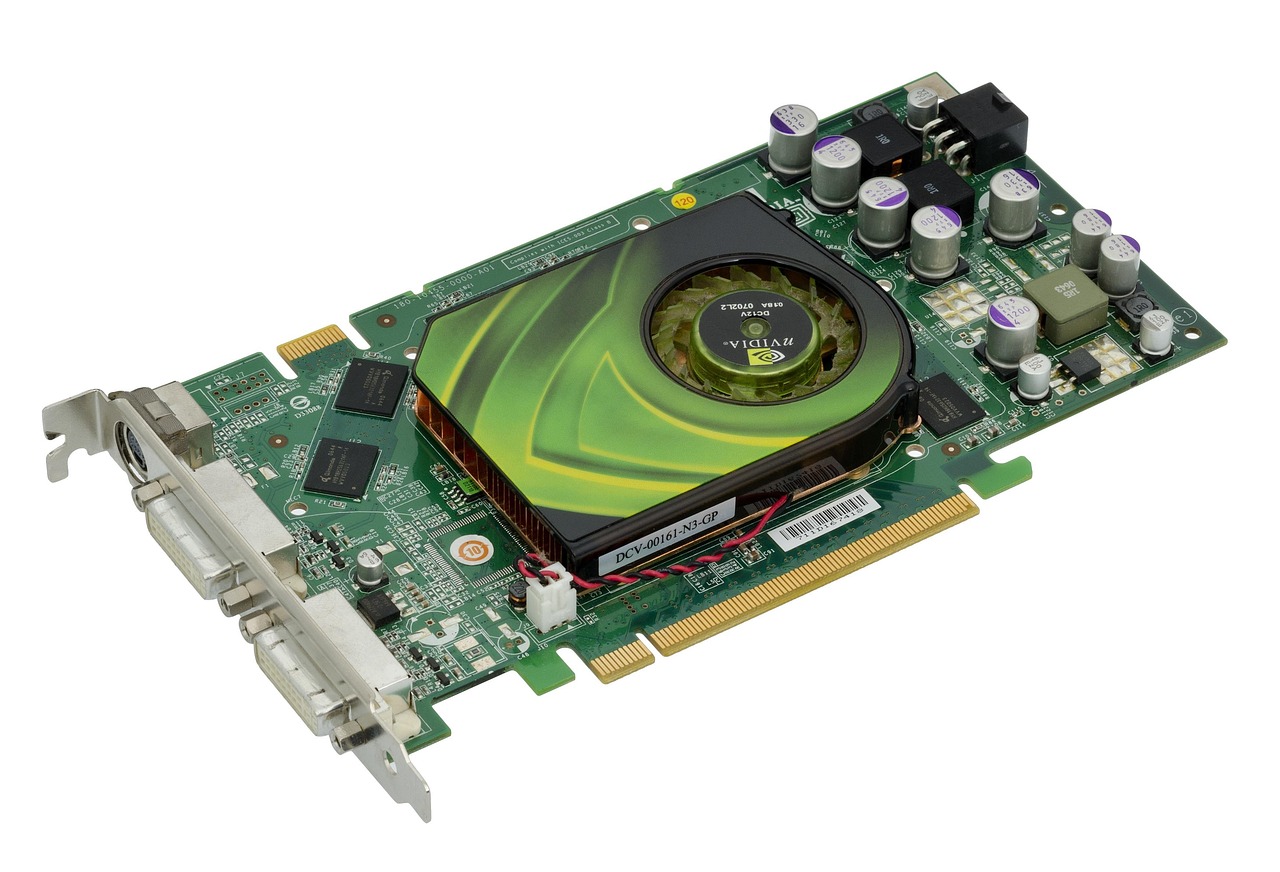
OpenAI and NVIDIA announce partnership to deploy …
OpenAI and NVIDIA have announced a major partnership focused on accelerating the development and deployment of advanced artificial intelligence (AI) models and infrastructure.

Stagwell Launches NewVoices.ai to Transform Enter…
When Jeff Bezos predicted that one breakthrough technology would define Amazon’s future, even top Wall Street analysts were surprised.

AI-Enhanced SEO: Improving Search Rankings and Us…
Artificial intelligence (AI) is transforming search engine optimization (SEO), presenting businesses with new opportunities to boost their online visibility and improve search rankings.

5 AI advertising controversies that turned heads …
In 2025, chief marketing officers at many top global brands made artificial intelligence (AI) a key part of their strategies, but this enthusiasm sometimes led to risky outcomes.

AI RevOps Is About to Reshape Your Entire Revenue…
Revenue teams have struggled for years across all industries and organization sizes, often feeling like they’re constantly patching a leaking funnel without lasting success.

AI-Generated Video Games: The Future of Interacti…
Artificial intelligence (AI) is revolutionizing the gaming industry by enabling the development of AI-generated video games that deliver dynamic, personalized experiences adapting in real time to players’ behaviors and preferences.
AI Company
Launch your AI-powered team to automate Marketing, Sales & Growth

and get clients on autopilot — from social media and search engines. No ads needed
Begin getting your first leads today

Your News is ready
Your article is ready

Lorem ipsum dolor sit amet consectetur adipisicing elit. Fuga dolor minus maiores. Aut vero expedita dicta, dolorem odit excepturi odio doloremque voluptatem repellat aliquam? Dolores nemo eum id pariatur! Nobis!
Generating video takes longer than text.







