
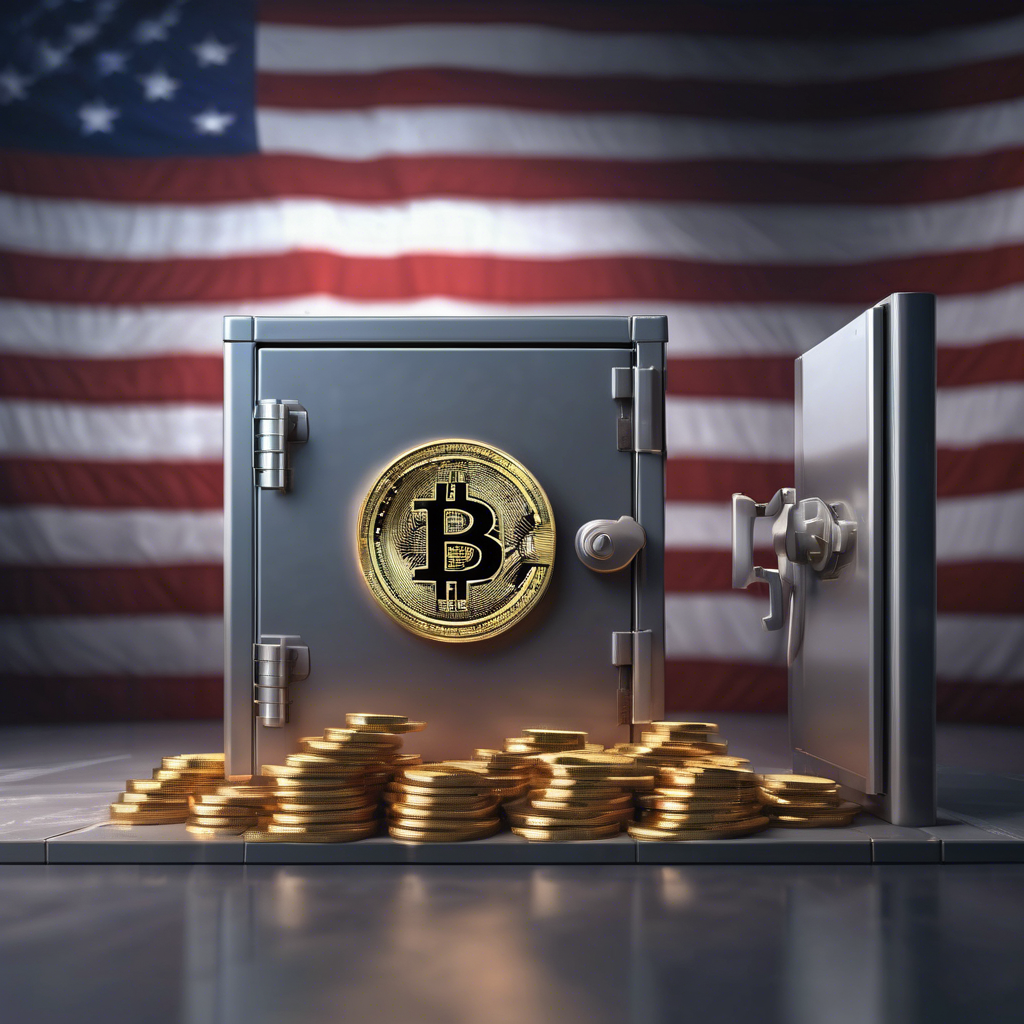
In a major step toward embracing cryptocurrency nationally, the U. S. government announced the creation of a strategic bitcoin reserve funded by bitcoin forfeited to the Treasury. Unveiled by President Donald Trump in March 2025, this initiative aims to establish the U. S. as a global leader in the fast-changing crypto space. Alongside the bitcoin reserve, a separate digital asset stockpile was formed to manage and secure other government-held digital currencies. The bitcoin reserve will be capitalized using approximately 200, 000 BTC currently held by the federal government—the largest known state bitcoin holding worldwide—obtained mainly through forfeiture. President Trump, advocating for the U. S. to become the “crypto capital of the world, ” stated this reserve serves as a robust financial asset to provide economic advantages and promote technological innovation. It aligns with the administration’s goal to encourage cryptocurrency adoption and investment while ensuring regulatory oversight and security. Reactions to the announcement have been mixed. Some economists warn that the volatile crypto market could risk government financial stability and complicate monetary policy, exposing public funds to valuation uncertainties. Conversely, supporters argue the reserve will position the U. S.
at the forefront of innovation, stimulate economic growth, and strengthen its influence in the global financial system. Institutionalizing crypto holdings, they say, sets a model for public and private sectors on integrating digital assets into financial infrastructure. Following the federal move, several U. S. states have shown interest in creating their own digital asset reserves, reflecting growing recognition of cryptocurrency’s financial potential beyond speculation. Internationally, other nations are closely watching the U. S. approach and exploring similar steps, potentially accelerating worldwide governmental acceptance of digital assets and shaping future regulatory frameworks. The parallel digital asset stockpile will handle various other cryptocurrencies and tokens, allowing the government a flexible strategy to navigate the complex, evolving crypto ecosystem. Together, these initiatives mark a significant milestone in public engagement with digital currencies, expected to enhance America’s status in the global crypto market and inform public sector asset management in the digital era. As blockchain and digital currencies continue to reshape financial landscapes, the U. S. strategic bitcoin reserve may be seen as a pioneering effort to integrate digital economy elements with traditional financial and governmental systems. The coming years will reveal the full economic impact and influence of this ambitious project on the U. S. role in the evolving global digital economy.
U.S. Creates Strategic Bitcoin Reserve to Lead Global Cryptocurrency Innovation




Google’s AI Overviews feature has experienced remarkable growth, now appearing in over half of all search results.

SecureAI Technologies has launched an innovative cybersecurity system that uses advanced machine learning algorithms to detect and counter cyber threats in real time.

The rising influence of artificial intelligence (AI) defined 2025, with the MarTech sector reflecting this trend as B2B marketers increasingly integrated AI into their workflows.

Holiday shopping has often felt like a “chore” for Amrita Bhasin, a 24-year-old retail tech CEO.

Fallout’s season one recap incorrectly claimed that The Ghoul’s flashback occurs in the 1950s, when in fact it takes place in the year 2077.

OpenAI is set to launch GPT-5, the newest advancement in its language model series, in early 2026.

U.S. President Donald Trump’s decision to sell advanced AI chips, including Nvidia’s H200, to China has alarmed hawks in Washington.
Launch your AI-powered team to automate Marketing, Sales & Growth

and get clients on autopilot — from social media and search engines. No ads needed
Begin getting your first leads today


Lorem ipsum dolor sit amet consectetur adipisicing elit. Fuga dolor minus maiores. Aut vero expedita dicta, dolorem odit excepturi odio doloremque voluptatem repellat aliquam? Dolores nemo eum id pariatur! Nobis!

Create your own avatar to work for you — completely free of charge!
Sign up with Google


We've sent a confirmation email to
Please check your inbox and click the link to complete your registration
Didn’t receive it? Check your Spam or Promotions folder
and get clients without any advertising investment!

Create and publish viral social media content on autopilot



AI sales managers work 24/7, with no need for sleep, food, or breaks, and speak all languages.
You have unsubscribed from the mailing list recklessly but successfully.
We are not saying goodbye and look forward to seeing you again.